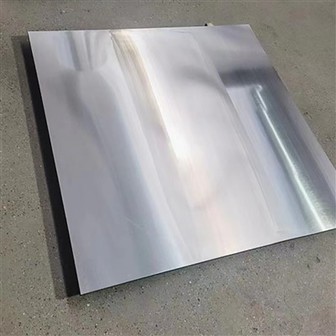
The Platinized Electrode (1)
In electroplating, electrolysis, and other electrochemical industries, the choice of electrode plays a critical role in determining efficiency and cost-effectiveness. Platinized electrodes, especially when used in combination with titanium substrates, stand out for their unmatched durability, stability, and conductivity. But what exactly is the "real surface" of a Platinized electrode, and how does it influence the efficiency of these industrial applications? Let's take a closer look.
What is the Real Surface of a Platinized Electrode?
The real surface of a Platinum electrode refers to the total surface area that comes into contact with the electrolyte during an electrochemical reaction. Unlike a smooth, flat surface, Platinized electrodes typically feature a rough, irregular structure that maximizes their active surface area. This roughness, or roughness factor, is crucial for improving the efficiency of processes like electroplating and electrolysis.
Platinized titanium electrodes-which consist of a titanium substrate coated with a thin layer of Platinum-are known for their enhanced surface structure. The roughness factor of these electrodes provides a larger surface area for electrochemical reactions, significantly increasing their efficiency. This is especially beneficial in applications like water treatment, electrolytic hydrogen production, and cathodic protection, where maximizing surface area is key to improving overall performance.
Why Platinized Electrodes are Essential in Electrolysis and Electroplating
Platinized has long been recognized for its excellent electrical conductivity and stability in harsh chemical environments. These properties make it an ideal material for electrodes used in electrolysis and electroplating.
Platinum electrodes advantages:
High corrosion resistance, ensuring long-term durability even in aggressive electrolytic environments.
Low oxygen evolution overpotential, which makes them highly efficient at catalyzing reactions in electrochemical cells.
Excellent catalytic properties, enabling high reaction rates and minimal energy losses.
For example, in the electroplating industry, Platinized electrodes ensure precise and uniform metal deposition. In electrolysis processes, such as hydrogen production or water treatment, Platinum's superior conductivity and low energy requirements result in more efficient systems, reducing operational costs.
(To be continued)