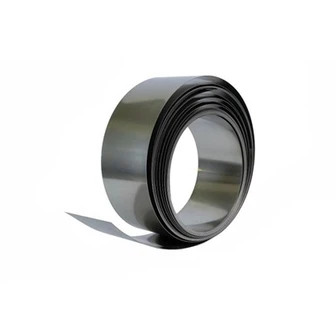
Titanium Anode in Swimming Pool Disinfection
Swimming pools require a lot of maintenance to keep them clean and safe for use. Chlorine has been one of the most widely used disinfectants for sanitization. It kills pathogens such as bacteria and viruses by breaking the chemical bonds in their molecules. Titanium anodes work by generating chlorine from salt through a process called electrolysis. The chlorine generated by the titanium anode disinfects the pool water by killing bacteria, viruses, and other harmful microorganisms. Compared to a traditional laborious method of adding chemical disinfectants to the water, electrochlorination has been recognized as a convenient and highly efficient way for water disinfection. And the disinfecting effect can be adjusted according to the on-site demand. This technique is widely applied in germ-free water supplies, wastewater treatment, swimming pool sterilization, etc.
In most practical applications, hypochlorous acid (HClO) and/or hypochlorite (NaClO) are produced via the electrolysis of salty water (NaCl) by passing an electric current through perforated or unperforated plate electrodes inserted into the reactor pipe. Detailed electrochemical reactions for this process are laid out below:
Anode: 2Cl– -– Cl2+2e–
Cathode: 2H2O+2e–-–2OH–+H2
Solution Reaction: Cl2+2OH–-–Cl–+ClO–+H2O
Very great differences have been found in the efficiency of free chlorine production between different electrode materials. It can be seen that titanium electrodes (using active coatings of IrO2 or IrO2/RuO2) outperform boron-doped diamond and platinum electrodes, which are therefore not generally applicable as anode materials with very low production efficiency for free chlorine.