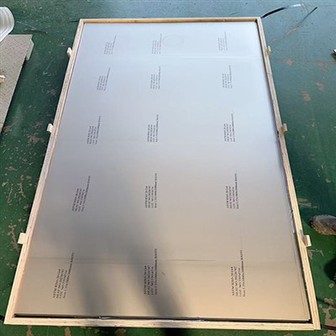
Precision Control of Gr1 Titanium Sheet: From Raw Materials to Mechanical Properties
Gr1 titanium plate, as the grade of industrial pure titanium with the lowest strength but the best plasticity, toughness and corrosion resistance, the quality control during its production process is of vital importance. The core lies in precise batching, strict control of chemical composition and stable control of mechanical properties.
I. Meticulous ingredient preparation and smelting
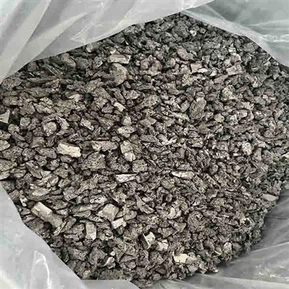
The ingredient base of Gr1 titanium plates is ultra-high purity sponge titanium (with a purity typically ≥99.7%). To ensure that the final composition meets the standards, the content of key interstitial elements such as iron, oxygen, carbon and nitrogen will be strictly controlled. Sometimes, according to the grade requirements, a small amount of specific grade return materials (such as vehicle debris) are added, but the proportion and cleanliness are strictly limited to prevent the introduction of contamination.
Melting is a key step in controlling the uniformity of components, and vacuum consumable arc melting (VAR) is usually adopted. Under high-temperature and high-vacuum conditions, volatile impurities are effectively removed, while the inhalation of gases such as oxygen and nitrogen is prevented. To ensure the absolute uniformity of composition, the same billet usually needs to be smelted twice or more.

II. Strict control over chemical composition
The chemical composition of Gr1 must strictly comply with standards such as ASTM B265. The core control lies in the extreme management of interstitial elements:
Oxygen (O) : It is the main solid solution strengthening element and has the most significant impact on strength. Its content must be stably controlled below 0.18%, which is the key to ensuring the low strength and excellent plasticity of Gr1 titanium plates.
Each batch of sponge titanium for smelting must undergo pre-analysis, and samples of the ingots after smelting must also be taken for spectral chemical analysis to ensure that all elements are within the narrow range specified by the standards.
III. Comprehensive Regulation of Tensile Strength
The tensile strength of Gr.1 (ASTM B265 stipulates ≥240 MPa) is not achieved through alloying, but mainly through the coordinated control of the following processes:
Hot working and annealing process: The temperature of the hot-rolled slab, the deformation amount and the final annealing process are the decisive links. Full annealing treatment is adopted. By precisely controlling the annealing temperature (typically within the range of 650-815°C) and the cooling rate, the sheet is fully recrystallized, work hardening is eliminated, and its inherent low strength and extremely high plasticity are restored.
Performance verification: Ultimately, samples are taken from the finished plates for tensile tests to verify whether their tensile strength, yield strength and elongation meet the standard requirements.

Only through this closed-loop precise control system from batching, smelting to heat treatment can Gr1 titanium plates with qualified chemical composition, consistent and excellent mechanical properties be stably produced.