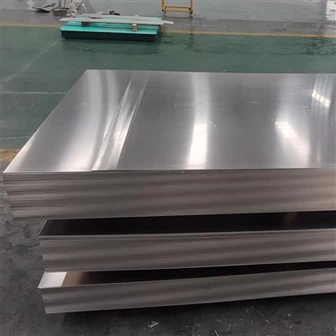
The current situation of the Gr5 titanium market and supply chain in October
As of October 2025, the global Gr5 titanium market is presenting a complex situation of strong demand, supply chain reshaping and persistent cost pressure.
I. Market Status Quo: Demand-driven, operating at a high level
Core demands continue to explode
The aerospace field remains the greatest driving force. With the steady increase in the production of single-aisle passenger aircraft such as the B737MAX and A320neo, and the recovery of demand for wide-body aircraft like the B787 and A350, the consumption of Gr5 titanium materials remains at a high level. In addition, the research and development as well as the commissioning of the new generation of military aircraft worldwide have provided stable support for the market.
The demand for medical and health care has become regular. In the post-pandemic era, the global volume of elective surgeries has recovered, and the markets for artificial joints and dental implants have expanded at a stable growth rate. The demand for high-end medical Gr5 titanium plates and rods is highly resilient.
Expansion of emerging application fields
The application of the chemical and energy sectors in coastal nuclear power, seawater desalination and hydrogen storage and transportation equipment has gradually increased, becoming a growth point that cannot be ignored.
In the high-end consumer electronics sector, some flagship products have begun to trial Gr5 titanium alloy as the material for the middle frame, bringing new imagination space to the market.
II. Supply Chain Analysis: Stable Pattern and Regionalization Trend
The global oligopoly pattern remains stable: The giants led by ATI and Timet of the United States, VSMPO-AVISMA of Russia and Baoti Co., Ltd. of China still dominate the global supply of high-end Gr5 titanium materials. Its technical barriers, certification barriers and scale effects make it difficult for new entrants to challenge.
The regionalization of supply chains is accelerating: Influenced by geopolitical and trade policies, supply chains are showing a clear trend of "regionalization".
North America and Europe: Committed to building a supply chain system independent of Russia, they are increasing investment and procurement in their own and Allies' (such as Japan) production capacity.
China: The strategy of supply chain autonomy has achieved remarkable results. Domestic enterprises such as BaoTi and Western Superconducting have been able to meet the vast majority of domestic demand and have achieved batch supply in key projects such as aero engines and large aircraft, significantly reducing the country's reliance on imports.
Cost and price pressures
The price of sponge titanium will remain relatively high in 2025 after experiencing fluctuations.
The rise in energy prices, environmental protection costs and labor costs has continuously pushed up the expenses of smelting and processing. Therefore, in 2025, the overall price of Gr5 titanium materials will remain rigid, and passing on costs to the downstream will become the norm.
Summary and Outlook
By October 2025, the Gr5 titanium market is in a prosperous cycle characterized by "strong demand but high costs". The security and resilience of the supply chain have transcended pure cost considerations and become the core logic of industrial chain layout. Leading suppliers with full-process production capabilities and international aerospace quality system certifications will continue to enjoy market dominance and stronger bargaining power.

One-stop Titanium Factory in China
WEST Ti have more than 20 years of experience in the titanium industry. Business covers the processing and sales of rare metals such as titanium coil, plate, bar, wire, and titanium forging. The inventory of titanium coil and plate in the BaoTi Road warehouse is more than 3,000 tons and equipped with professional facilities.
It has 5 national patents and has passed multiple professional testing certificates such as IOS 9001 and PED 4.0 for 4 consecutive years.