

Pure titanium entry: The drone industry is about to undergo a major shake-up
The drone industry is about to undergo a major shake-up. This change is driven by the use of pure titanium. Titanium is known as "space metal". It has many remarkable properties. These properties make it a top choice for high-end drone manufacturing.

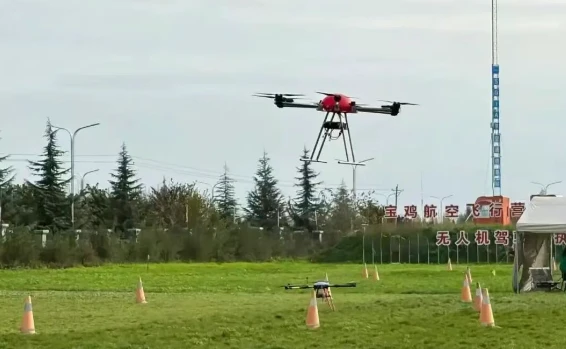
One key property is high strength. Titanium gives drones excellent load-bearing capacity. A drone can carry more sophisticated equipment. It can also handle heavier loads. At the same time, its structure stays stable and reliable. Whether it is complex tools for science or important rescue supplies, titanium drones can handle the task. They provide a solid guarantee for many missions.
Corrosion resistance is another advantage. Drones often face harsh conditions. They may fly in humid air. They may encounter rain with corrosive substances. They may also face salt fog over the ocean. Ordinary materials rust and corrode in these situations. This can hurt the drone's performance and shorten its life. But titanium is different. It resists corrosion very well. It can work in tough environments for a long time. This reduces maintenance costs. It also means fewer limits on where drones can go. Titanium drones can operate in extreme conditions.
Lightweighting is another big factor. It helps titanium stand out in the drone field. A drone's weight affects how it flies and how long it stays up. A lighter drone uses less energy to stay in the air. This means longer flight times. It also means it can fly farther. Titanium lets drones shed weight without losing strength. This makes them ideal for long missions and long-distance flights.
In terms of market use, titanium drones are making a difference. In surveying and exploration, they offer great endurance and stability. They can collect data over large areas with high precision. This helps with city planning and resource hunting. In industrial inspection, they handle tough conditions well. They can go into high heat, high pressure, or toxic spaces. This makes inspections safer and more efficient. Workers no longer need to enter dangerous areas. Drones can spot equipment problems and safety risks early. This helps keep industrial production running smoothly.


