Titanium Alloy Technology Sparks a New Revolution in Consumer Electronics
Chinese-made smartphones equipped with aviation-grade titanium hinge
leading to the folding screen material upgrade
Recently, the release of OPPO's latest foldable screen flagship Find N5 has triggered hot discussion in the industry, and one of its core highlights is the use of aviation-grade titanium alloy hinges. According to supply chain sources, the hinge material may be Grade 1 titanium alloy - a high-strength, lightweight material widely used in the aerospace sector. This technological breakthrough not only marks the trend of consumer electronics towards high-end materials, but also injects new growth momentum into the titanium industry chain.
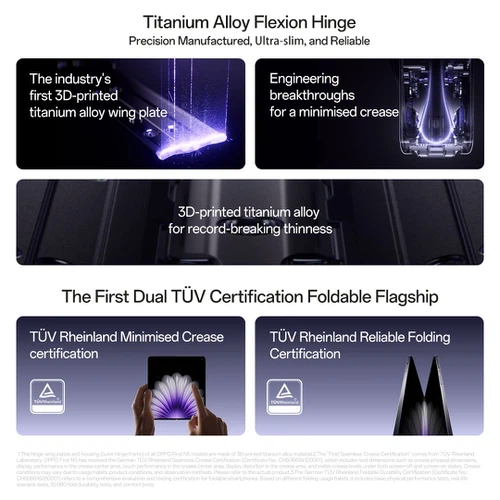
Image from website
Titanium Alloy: The "Structural Revolution" for Folding Screen Smartphones
Traditional folding screen hinges are mostly made of stainless steel or aluminum alloy, but long-term use is prone to fatigue fracture and crease problems. Titanium alloy dependency
- High specific strength (strength/density ratio)
- Excellent corrosion resistance
- Outstanding creep resistance
Such characteristics become an ideal alternative. Taking Grade 1 as an example, its yield strength can reach more than 310MPa, but the weight is 45% lighter than stainless steel, which can significantly improve the life of the hinge (up to millions of folds in the industry test), while reducing the weight of the whole machine.


The use of titanium alloy in consumer electronics is not the first (such as the Apple Watch Ultra case, Huawei Mate 60 Pro titanium version), but the Find N5 hinge design further expands its application scenario. According to the International Titanium Association (ITA) data, in 2023, the demand for titanium materials in the global consumer electronics field increased by 32% year-on-year, and China has become the largest incremental market due to the active innovation of mobile phone brands.

Baoji West Titanium Material Co., Ltd.