

What is the impact toughness of gr1 titanium plate?
As a supplier of GR1 titanium plates, I've witnessed firsthand the growing demand for this remarkable material in various industries. One of the most critical properties that customers often inquire about is the impact toughness of GR1 titanium plates. In this blog post, I'll delve into what impact toughness is, how it relates to GR1 titanium plates, and why it matters in real - world applications.
Understanding Impact Toughness
Impact toughness is a measure of a material's ability to absorb energy and deform plastically before fracturing under an impact load. Unlike static strength, which deals with forces applied slowly and steadily, impact toughness is concerned with sudden, high - energy events. When a material is subjected to an impact, such as a collision or a sudden blow, it needs to be able to withstand the shock without breaking apart.
The impact toughness of a material is typically determined through standardized tests, such as the Charpy V - notch test or the Izod impact test. In the Charpy test, a notched specimen is struck by a pendulum, and the energy absorbed by the specimen during fracture is measured. The higher the energy absorbed, the greater the impact toughness of the material.
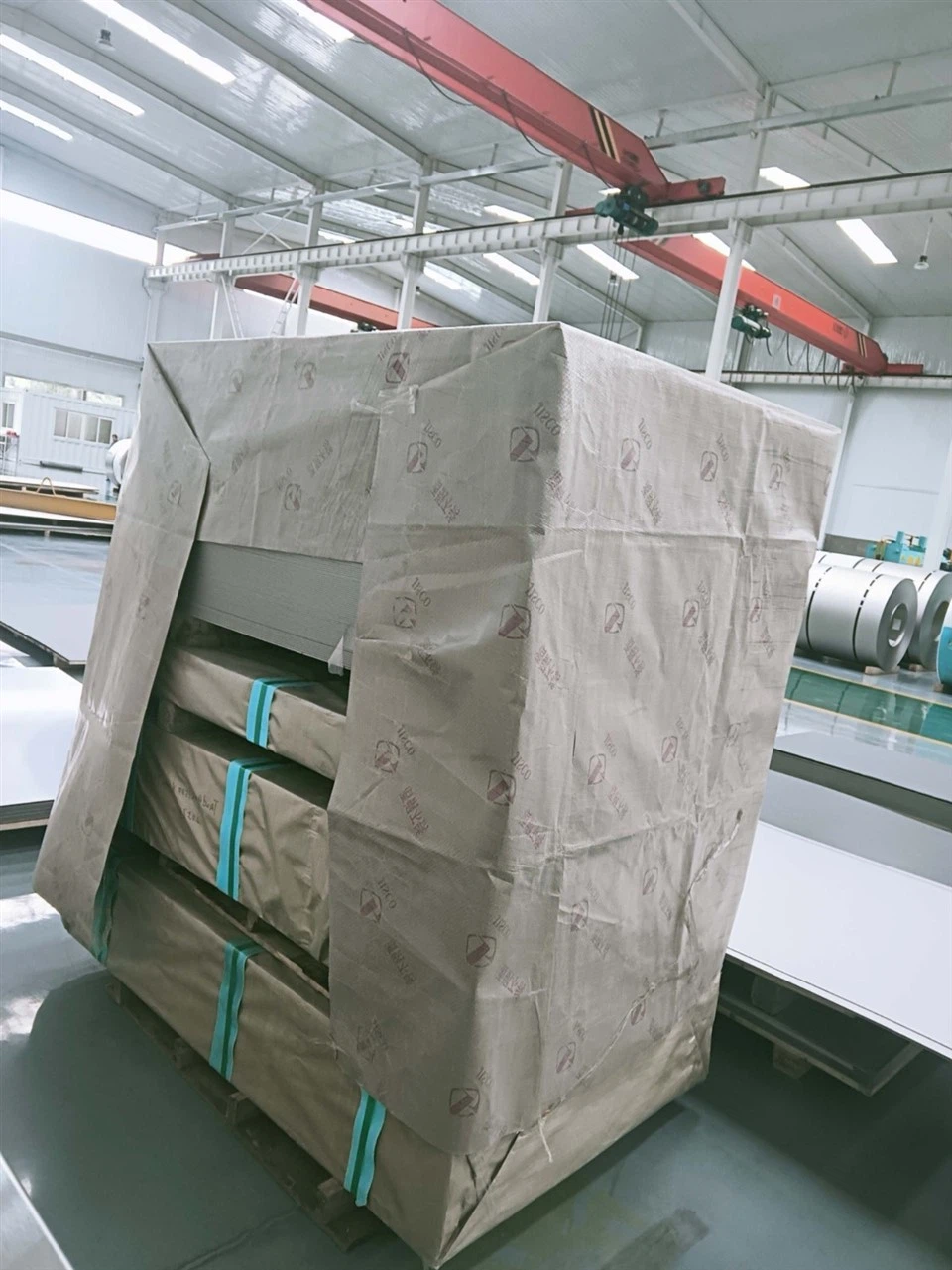

Impact Toughness of GR1 Titanium Plate
GR1 titanium is an unalloyed titanium grade, known for its excellent corrosion resistance, high strength - to - weight ratio, and good formability. When it comes to impact toughness, GR1 titanium plates exhibit impressive performance.
The unique crystal structure of titanium, specifically its hexagonal close - packed (HCP) structure, plays a significant role in its impact toughness. This structure allows for multiple slip systems, which means that the material can deform plastically in response to an impact load. As the material deforms, it absorbs energy, preventing the rapid propagation of cracks.
Moreover, the purity of GR1 titanium also contributes to its impact toughness. With low levels of impurities, there are fewer sites for crack initiation, which enhances the material's ability to withstand impact. The fine - grained microstructure of GR1 titanium plates further improves their impact resistance, as smaller grains can impede the movement of dislocations and the growth of cracks.
Factors Affecting the Impact Toughness of GR1 Titanium Plates
Several factors can influence the impact toughness of GR1 titanium plates.
Temperature: Impact toughness is highly temperature - dependent. At low temperatures, the ductility of titanium decreases, and the material becomes more brittle. As the temperature drops, the energy required for crack initiation and propagation decreases, leading to a reduction in impact toughness. Conversely, at elevated temperatures, the material becomes more ductile, and the impact toughness increases.
Heat Treatment: Proper heat treatment can optimize the impact toughness of GR1 titanium plates. Annealing, for example, can relieve internal stresses and refine the grain structure, which generally improves impact resistance. On the other hand, improper heat treatment can lead to the formation of brittle phases or coarse grains, reducing the material's ability to absorb impact energy.
Cold Working: Cold working, such as rolling or forging, can increase the strength of GR1 titanium plates but may also reduce their impact toughness. Cold working introduces dislocations and residual stresses into the material, which can act as crack initiation sites. However, if the cold - working process is carefully controlled, it can be used to enhance the overall mechanical properties of the plates while maintaining acceptable impact toughness.
Applications of GR1 Titanium Plates Based on Impact Toughness
The high impact toughness of GR1 titanium plates makes them suitable for a wide range of applications where the material needs to withstand sudden impacts.
Aerospace Industry: In the aerospace industry, GR1 titanium plates are used in components such as landing gear parts, engine mounts, and structural frames. These components are subjected to high - energy impacts during takeoff, landing, and flight maneuvers. The excellent impact toughness of GR1 titanium ensures the safety and reliability of these critical parts.
Marine Industry: The marine environment is harsh, with components often exposed to impacts from waves, debris, and collisions. GR1 titanium plates are used in shipbuilding, offshore platforms, and desalination plants. Their high impact toughness, combined with their superior corrosion resistance, makes them ideal for these applications.
Medical Industry: In the medical field, GR1 titanium plates are used in orthopedic implants, such as bone plates and screws. These implants need to withstand the forces exerted during normal body movements, including sudden impacts. The impact toughness of GR1 titanium ensures that the implants can endure these forces without breaking, promoting successful bone healing.
Comparison with Other Materials
When compared to other materials, GR1 titanium plates offer distinct advantages in terms of impact toughness.
Steel: While steel is a commonly used material, it has a relatively high density compared to GR1 titanium. In applications where weight is a critical factor, such as aerospace and automotive, the high strength - to - weight ratio of GR1 titanium makes it a more attractive option. Additionally, GR1 titanium's corrosion resistance is far superior to that of steel, which can extend the service life of components in corrosive environments.
Aluminum: Aluminum is another lightweight material, but it generally has lower impact toughness than GR1 titanium. In high - impact applications, GR1 titanium can provide better protection against fracture and failure.
Related Products
If you're interested in other titanium products, we also offer Gr2 Titanium Sheet and Gr2 Titanium Plate. These products have similar properties to GR1 titanium but with slightly different alloy compositions, which may suit different application requirements. We also provide Titanium Powder for 3D Printing, which is an innovative solution for creating complex titanium parts with high precision.
Conclusion
The impact toughness of GR1 titanium plates is a crucial property that makes them a valuable material in many industries. Their ability to absorb energy and resist fracture under impact loads, combined with their other excellent properties such as corrosion resistance and high strength - to - weight ratio, makes them a top choice for a wide range of applications.
If you're in the market for GR1 titanium plates or have any questions about their impact toughness or other properties, I encourage you to reach out to us for a detailed discussion. We're committed to providing high - quality GR1 titanium plates and excellent customer service. Whether you're a small - scale manufacturer or a large - scale industrial enterprise, we can work with you to meet your specific requirements.
References
- ASM Handbook, Volume 2: Properties and Selection: Nonferrous Alloys and Special - Purpose Materials.
- Titanium: A Technical Guide, Second Edition by John C. Williams.
- "Impact Toughness of Titanium Alloys" by various research papers in the Journal of Materials Science and Engineering.