

What is the effect of impurities on the properties of gr1 titanium plate?
Hey there! As a supplier of GR1 titanium plates, I've spent a ton of time diving deep into the world of titanium and its properties. One question that comes up quite often is, "What is the effect of impurities on the properties of GR1 titanium plate?" Well, let's dig into it and find out!
First off, let's understand what GR1 titanium is. GR1 titanium is known for its high purity and excellent corrosion resistance. It's widely used in various industries, from aerospace to medical, because of its outstanding properties. But even the purest titanium can have some impurities, and these impurities can have a significant impact on the plate's performance.
One of the most common impurities in GR1 titanium plates is iron. Iron can increase the strength of the titanium, but it also reduces its ductility. In simple terms, the plate becomes stronger but less flexible. This can be a double - edged sword. In applications where high strength is crucial, a bit of iron impurity might be acceptable. However, if the plate needs to be formed or bent into complex shapes, the reduced ductility can be a major problem.
Another impurity that can cause issues is oxygen. Oxygen can form titanium oxides on the surface of the plate. These oxides can act as a barrier, preventing the plate from further oxidation in normal environments, which is a good thing. But too much oxygen can make the titanium brittle. Brittle titanium is more likely to crack under stress, which is a big no - no in most engineering applications.
Nitrogen is also an impurity to watch out for. Similar to oxygen, nitrogen can react with titanium to form titanium nitrides. These nitrides can increase the hardness of the plate, which can be beneficial in some wear - resistant applications. But excessive nitrogen can also lead to a decrease in toughness, making the plate more prone to sudden failure.
Now, let's talk about how these impurities can affect the corrosion resistance of GR1 titanium plates. As I mentioned earlier, GR1 titanium is known for its excellent corrosion resistance. But impurities can disrupt the passive oxide layer that forms on the surface of the titanium, which is responsible for its corrosion - resistant properties. For example, if there are too many iron impurities, the iron can react with the surrounding environment more easily than the titanium, leading to localized corrosion.
So, how do we deal with these impurities? Well, as a supplier, we have strict quality control measures in place. We use advanced purification techniques to reduce the impurity levels as much as possible. But it's important to note that completely eliminating impurities is almost impossible. That's why we work closely with our customers to understand their specific requirements. If a customer needs a plate with high ductility, we'll make sure to keep the iron and oxygen levels low. On the other hand, if high strength is the priority, a slightly higher level of iron might be acceptable.
When it comes to choosing the right titanium product, there are also other options available. For example, you might want to check out our Gr2 Titanium Sheet. Gr2 titanium has a slightly higher impurity level compared to GR1, which gives it different properties. It's stronger than GR1 but still maintains good corrosion resistance.
Another interesting product is our Titanium Dioxide Powder. Titanium dioxide is widely used in the paint, cosmetics, and food industries. It's made from titanium, and its properties can also be affected by impurities.
If you're looking for a titanium sheet with unique properties, you might consider our Ti15333 Sheet. Ti15333 is a high - strength titanium alloy, and understanding the role of impurities in its properties is crucial for getting the best performance.
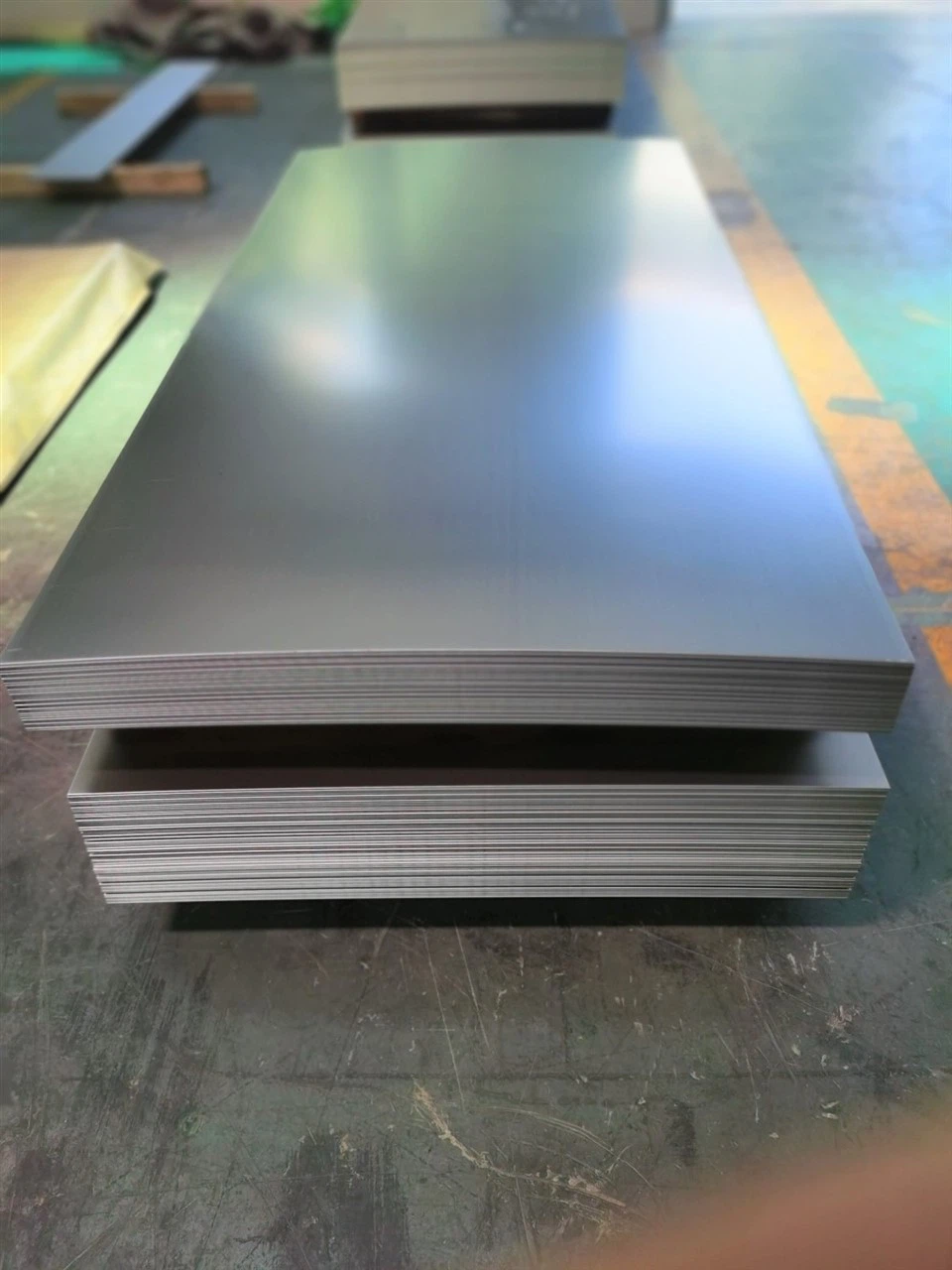

In conclusion, impurities can have a wide range of effects on the properties of GR1 titanium plates. They can affect strength, ductility, toughness, and corrosion resistance. As a supplier, we're committed to providing high - quality titanium plates that meet our customers' specific needs. Whether you need a plate for a high - stress application or one that can be easily formed, we have the expertise to help you make the right choice.
If you're interested in purchasing GR1 titanium plates or any of our other titanium products, we'd love to have a chat with you. Just reach out to us, and we can discuss your requirements in detail. We're here to make sure you get the best titanium solution for your project.
References
- Smith, J. (2018). Titanium Alloys: Properties and Applications. Elsevier.
- Johnson, R. (2020). The Role of Impurities in Metal Alloys. Springer.
- Brown, T. (2019). Corrosion Resistance of Titanium Materials. Wiley.