

What are the stress - corrosion cracking characteristics of zirconium alloy?
Hey there! As a zirconium alloy supplier, I've been dealing with this amazing material for quite some time. One of the key aspects that often comes up in discussions with customers is stress - corrosion cracking (SCC) of zirconium alloy. So, let's dive right in and talk about the stress - corrosion cracking characteristics of zirconium alloy.
What is Stress - Corrosion Cracking?
First off, let's quickly go over what stress - corrosion cracking is. SCC is a form of degradation that happens when a material is exposed to a corrosive environment while under tensile stress. It's not just about corrosion or stress alone; it's the combination of the two that causes this unique type of cracking. For zirconium alloy, this can be a real concern, especially in applications where it's exposed to harsh chemicals and mechanical loads.
Chemical Environment
The chemical environment plays a huge role in the SCC of zirconium alloy. Zirconium is known for its good corrosion resistance in many environments, but there are some specific conditions that can trigger SCC. For example, in the presence of certain oxidizing agents like nitric acid, zirconium alloy can be susceptible to cracking. The concentration of these chemicals matters too. Higher concentrations generally increase the likelihood of SCC. Also, the temperature of the environment is a factor. As the temperature rises, the rate of corrosion and the tendency for SCC can go up significantly.
Tensile Stress
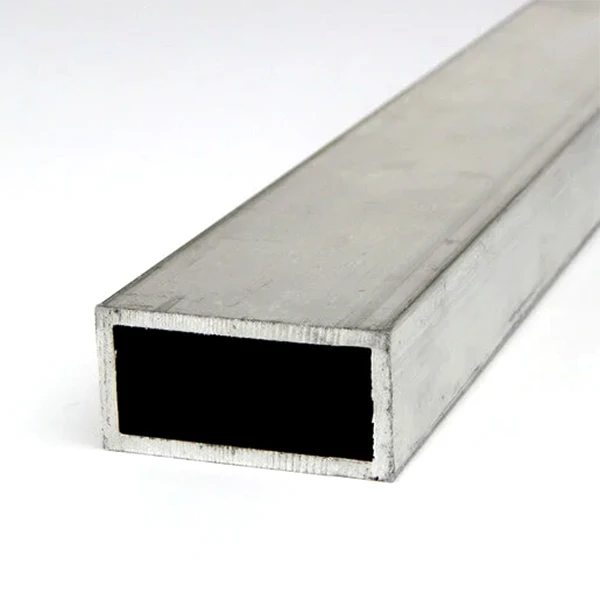
Tensile stress is another crucial factor. This stress can come from various sources. During the manufacturing process of zirconium alloy products, like Zirconium Round Rod, Zirconium Wire, or Zirconium Alloy Rectangular Section Bar, residual stresses can be introduced. These residual stresses can act as the tensile stress needed for SCC to occur. External loads in service, such as mechanical forces or thermal stresses, can also contribute. The higher the tensile stress, the more likely the alloy is to experience cracking.
Microstructure of Zirconium Alloy
The microstructure of zirconium alloy has a big impact on its SCC characteristics. The grain size, phase composition, and the distribution of alloying elements all matter. A fine - grained microstructure generally offers better resistance to SCC compared to a coarse - grained one. This is because fine grains can impede the propagation of cracks. The phase composition is also important. Different phases in the alloy can have different corrosion rates and responses to stress. For instance, some phases may be more prone to corrosion, which can initiate cracking.

Crack Propagation
Once the cracking starts, the way it propagates is also a characteristic of SCC in zirconium alloy. The cracks usually propagate in a transgranular or intergranular manner. Transgranular cracking means the crack goes through the grains of the alloy, while intergranular cracking follows the grain boundaries. The type of cracking depends on the chemical environment, stress level, and the microstructure of the alloy. In some cases, the crack propagation rate can be quite high, especially when the conditions are favorable for SCC.
Detection and Prevention
Detecting SCC in zirconium alloy is not always easy. Non - destructive testing methods like ultrasonic testing, eddy - current testing, and dye - penetrant testing can be used. These methods can help identify cracks before they become too severe. As for prevention, there are several strategies. One is to control the chemical environment. This can involve using inhibitors to reduce the corrosiveness of the medium. Another approach is to reduce the tensile stress. This can be achieved through proper heat treatment to relieve residual stresses or by designing components to minimize external loads.
Impact on Applications
The SCC characteristics of zirconium alloy can have a significant impact on its applications. In industries like nuclear power, where zirconium alloy is widely used in fuel cladding and other components, SCC can pose a serious threat to safety and reliability. In the chemical processing industry, SCC can lead to equipment failure, which can result in production downtime and costly repairs. So, understanding these characteristics is crucial for ensuring the proper use of zirconium alloy in different applications.
Conclusion
In conclusion, the stress - corrosion cracking characteristics of zirconium alloy are complex and depend on multiple factors including the chemical environment, tensile stress, microstructure, and crack propagation behavior. As a zirconium alloy supplier, I'm always committed to providing high - quality products and sharing knowledge about these materials. If you're interested in our zirconium alloy products, whether it's Zirconium Round Rod, Zirconium Wire, or Zirconium Alloy Rectangular Section Bar, and want to discuss how to deal with SCC in your specific application, feel free to reach out. We can have a detailed talk and find the best solutions for you.
References
- Jones, D. A. (1992). Principles and Prevention of Corrosion. Prentice Hall.
- Uhlig, H. H., & Revie, R. W. (1985). Corrosion and Corrosion Control: An Introduction to Corrosion Science and Engineering. Wiley.