

What are the potential risks in forging and stamping projects?
As a forging and stamping supplier, I've witnessed firsthand the intricacies and challenges that come with these projects. While forging and stamping are essential manufacturing processes used in various industries, they are not without their potential risks. In this blog post, I'll delve into some of the key risks associated with forging and stamping projects and provide insights on how to mitigate them.
1. Material - Related Risks
One of the primary concerns in forging and stamping projects is the quality and properties of the materials used. Different materials have distinct characteristics, and any deviation from the required specifications can lead to significant issues.
Material Defects
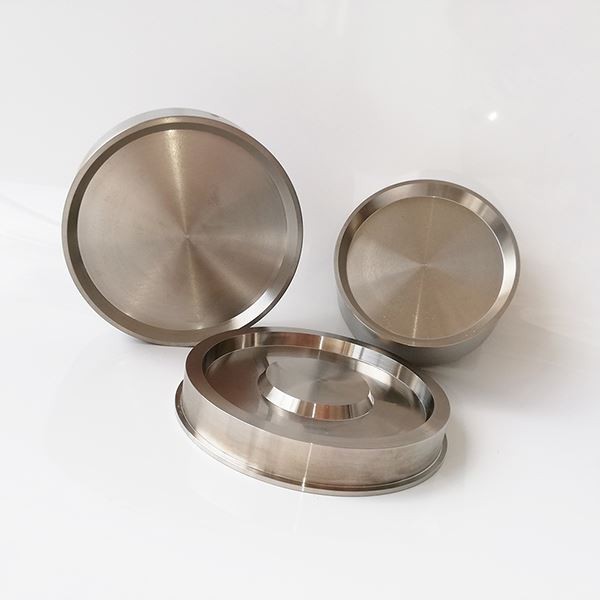
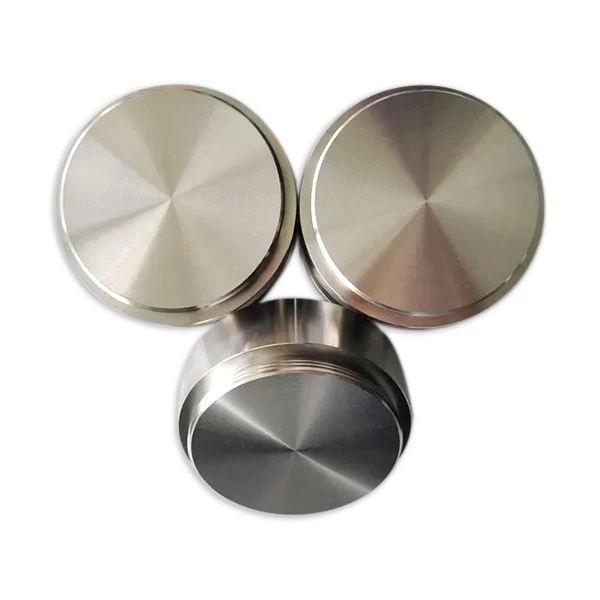
Materials may come with inherent defects such as porosity, inclusions, or cracks. Porosity can weaken the forged or stamped part, making it more susceptible to fatigue and failure under stress. Inclusions, which are foreign particles within the material, can act as stress - risers and initiate cracks during the forming process. For example, when working with titanium alloys for products like the High Purity Titanium Sputtering Target, even a small inclusion can affect the performance of the target in sputtering applications.
To mitigate this risk, it's crucial to conduct thorough material inspections before starting the forging or stamping process. Non - destructive testing methods such as ultrasonic testing, X - ray inspection, and magnetic particle inspection can be used to detect internal and surface defects.
Material Variability
The properties of materials can vary from batch to batch, even if they are supposed to be of the same grade. Variations in chemical composition, hardness, and ductility can impact the formability of the material. For instance, if the carbon content in a steel alloy is higher than expected, it may make the material more brittle and prone to cracking during stamping.
To address material variability, suppliers should work closely with reliable material providers. Regularly test incoming materials and establish strict acceptance criteria. Additionally, adjust the forging and stamping parameters based on the actual material properties to ensure consistent quality.
2. Process - Related Risks
The forging and stamping processes themselves introduce several risks that need to be carefully managed.
Over - deformation
Excessive deformation during forging or stamping can lead to a variety of problems. In forging, over - deformation can cause the material to develop a coarse grain structure, which reduces its mechanical properties such as strength and toughness. In stamping, it can result in cracking, wrinkling, or tearing of the sheet metal. For example, when manufacturing Gr2 Titanium Forged Flange, over - forging can compromise the integrity of the flange and make it unfit for use in high - pressure applications.
To prevent over - deformation, it's essential to accurately calculate the deformation ratio and set appropriate process parameters. Use finite element analysis (FEA) software to simulate the forging and stamping processes and predict the deformation behavior of the material.
Inadequate Lubrication
Lubrication plays a vital role in forging and stamping operations. Insufficient lubrication can increase friction between the tooling and the workpiece, leading to higher forming forces, tool wear, and surface damage to the part. For example, in stamping operations, poor lubrication can cause galling, where small particles of the workpiece adhere to the die surface, resulting in a rough surface finish on the stamped part.
To ensure proper lubrication, select the right lubricant for the specific material and process. Monitor the lubrication system regularly to ensure consistent application and adjust the lubrication parameters as needed.
Tooling Wear and Failure
Tooling is a critical component in forging and stamping projects. Over time, the repeated contact between the tooling and the workpiece can cause wear and tear. Worn tooling can lead to dimensional inaccuracies, poor surface finish, and even part rejection. For example, a worn die in a stamping press may produce parts with inconsistent hole sizes or distorted shapes.
To manage tooling wear, implement a preventive maintenance program. Regularly inspect the tooling for signs of wear, and replace worn components in a timely manner. Use high - quality tooling materials and coatings to improve tool life.
3. Quality Control Risks
Maintaining high - quality standards throughout the forging and stamping process is essential, but there are several risks associated with quality control.
Inaccurate Dimensional Measurements
Precise dimensional control is crucial in forging and stamping projects. Inaccurate measurements can lead to parts that do not fit properly in the final assembly. For example, if the dimensions of a Titanium Round Target are off, it may not be compatible with the sputtering equipment.
To ensure accurate dimensional measurements, use calibrated measuring tools and follow standardized measurement procedures. Implement in - process inspection points to catch dimensional errors early in the production process.
Inconsistent Surface Finish
The surface finish of forged and stamped parts can affect their performance and appearance. Inconsistent surface finish can be caused by factors such as tooling wear, improper lubrication, or material defects. A rough surface finish can increase friction, reduce corrosion resistance, and affect the aesthetics of the part.
To achieve a consistent surface finish, optimize the forging and stamping processes, maintain the tooling in good condition, and use appropriate surface treatment methods if necessary.
4. Environmental and Safety Risks
Forging and stamping operations also pose environmental and safety risks.
Noise and Vibration
Forging and stamping processes generate high levels of noise and vibration. Prolonged exposure to noise can cause hearing loss for workers, and excessive vibration can lead to musculoskeletal disorders. Additionally, the noise and vibration can also affect the accuracy of the manufacturing equipment.
To mitigate these risks, use noise - reducing enclosures around the forging and stamping equipment. Provide workers with appropriate personal protective equipment (PPE) such as earplugs and anti - vibration gloves. Regularly maintain the equipment to reduce vibration levels.
Heat and Radiation
Forging operations involve high temperatures, which can expose workers to heat stress and radiation. Heat stress can cause fatigue, dehydration, and even heat stroke. Radiation from the hot workpieces can also pose a risk to workers' health.
To protect workers, implement proper ventilation systems to remove heat and fumes from the work area. Provide workers with heat - resistant PPE and ensure they have access to cool drinking water and rest areas.
5. Supply Chain Risks
The forging and stamping industry is highly dependent on a complex supply chain. Any disruption in the supply chain can have a significant impact on the project.
Raw Material Shortages
Shortages of raw materials can occur due to various reasons such as natural disasters, geopolitical issues, or production problems at the supplier's end. For example, if there is a shortage of titanium, it can delay the production of titanium - based forging and stamping products like the High Purity Titanium Sputtering Target and Gr2 Titanium Forged Flange.
To manage this risk, maintain good relationships with multiple raw material suppliers. Develop contingency plans and establish strategic stockpiles of critical materials to ensure a continuous supply.
Logistics Delays
Logistics play a crucial role in getting the finished parts to the customers on time. Delays in transportation, customs clearance, or warehousing can disrupt the project schedule.
To minimize logistics delays, work with reliable logistics partners. Monitor the shipment status closely and have alternative transportation options in case of unexpected delays.
Conclusion
Forging and stamping projects offer numerous benefits, but they also come with a range of potential risks. As a forging and stamping supplier, it's our responsibility to identify these risks and take proactive measures to mitigate them. By addressing material - related risks, process - related risks, quality control risks, environmental and safety risks, and supply chain risks, we can ensure the successful completion of projects and deliver high - quality products to our customers.
If you are in need of forging and stamping products or have any questions about our services, we invite you to contact us for a procurement discussion. We are committed to providing you with the best solutions tailored to your specific needs.
References
- ASM Handbook, Volume 14A: Metalworking: Forging.
- Fundamentals of Metal Forming, by Y. Altan, T. Ngaile, and H. Gegel.
- Manufacturing Engineering and Technology, by S. Kalpakjian and S. Schmid.