

What are the electrical conductivity properties of zirconium alloy?
Hey there! As a zirconium alloy supplier, I often get asked about the electrical conductivity properties of zirconium alloy. So, I thought I'd write this blog to share some insights on this topic.
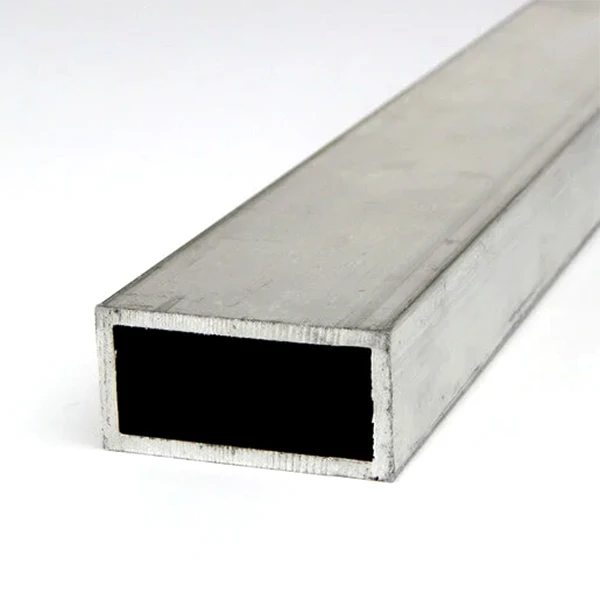
First off, let's talk a bit about zirconium alloy. Zirconium is a chemical element that's pretty cool. It has some unique properties, and when it's alloyed with other elements, it becomes even more useful. We offer a variety of zirconium alloy products, like the Zirconium Alloy Rectangular Section Bar, Zirconium Round Rod, and Zirconium Wire. These products find applications in many industries, from aerospace to electronics.
Now, onto the electrical conductivity of zirconium alloy. Electrical conductivity is a measure of how well a material can conduct an electric current. It's an important property, especially in industries where electrical performance matters.
Zirconium itself has a relatively low electrical conductivity compared to some other metals like copper or aluminum. But when it's made into an alloy, the conductivity can change depending on the alloying elements and their proportions.
For example, some zirconium alloys are designed to have enhanced corrosion resistance rather than high electrical conductivity. In these cases, the alloying elements are chosen to form a protective layer on the surface of the material, which helps prevent corrosion in harsh environments. However, this protective layer can also have an impact on the electrical conductivity.
On the other hand, there are zirconium alloys that are engineered to have better electrical conductivity. These alloys might contain elements that improve the flow of electrons through the material. The exact conductivity values can vary widely depending on the specific alloy composition.
One of the factors that affects the electrical conductivity of zirconium alloy is the presence of impurities. Even small amounts of impurities can scatter electrons and reduce the conductivity. That's why we at our company take great care in the manufacturing process to ensure the purity of our zirconium alloys. We use advanced refining techniques to minimize the presence of impurities, which helps maintain good electrical conductivity in our products.
The microstructure of the zirconium alloy also plays a role. The way the atoms are arranged in the alloy can either facilitate or impede the movement of electrons. For instance, a fine-grained microstructure can sometimes lead to better conductivity compared to a coarse-grained one. This is because the grain boundaries in a fine-grained structure can act as barriers to electron scattering to a lesser extent.
Temperature is another important factor. In general, the electrical conductivity of most metals, including zirconium alloys, decreases as the temperature increases. This is because at higher temperatures, the atoms in the material vibrate more vigorously, which makes it harder for electrons to move through the lattice. So, if you're using zirconium alloy in an application where temperature variations are significant, you need to take this into account.
Let's talk about some real - world applications where the electrical conductivity of zirconium alloy matters. In the electronics industry, zirconium alloy can be used in connectors and wiring. The conductivity of the alloy ensures that the electrical signals can be transmitted efficiently. For example, in high - performance electronic devices, the ability of the zirconium alloy to conduct electricity with minimal loss is crucial for optimal device performance.
In the power generation industry, especially in nuclear power plants, zirconium alloy is widely used. While its corrosion resistance is a major factor for its use in nuclear fuel cladding, its electrical conductivity also plays a role. The alloy needs to be able to conduct any small electrical currents that might be present in the system without causing significant power losses.
Now, if you're in the market for zirconium alloy products, you might be wondering how to choose the right one based on electrical conductivity. Well, it depends on your specific application. If you need high - conductivity materials, you should look for alloys that are specifically designed for that purpose. Our team of experts can help you select the most suitable zirconium alloy for your needs. We have a wide range of products with different conductivity properties, and we can provide you with detailed technical specifications.
Whether you're working on a small - scale electronics project or a large - scale industrial application, we've got the zirconium alloy products to meet your requirements. Our Zirconium Alloy Rectangular Section Bar is great for structural components where electrical conductivity might also be a factor. The Zirconium Round Rod can be used in various machining operations to create custom - made parts with the desired electrical properties. And the Zirconium Wire is ideal for applications where a thin, conductive material is needed.
If you're interested in purchasing zirconium alloy products, we'd love to have a chat with you. We can discuss your specific needs, answer any questions you might have about electrical conductivity or other properties, and provide you with a quote. Contact us today to start the procurement process and see how our zirconium alloy products can benefit your project.

References
- Materials Science and Engineering: An Introduction, William D. Callister Jr., David G. Rethwisch
- Handbook of Zirconium and Zirconium Alloys, Y. M. L'vov