

What are the disadvantages of forging?
Hey there! I'm a supplier in the forging and stamping business, and today I want to have an open chat about the disadvantages of forging. While forging is a widely used manufacturing process with many benefits, it's not all sunshine and rainbows. Let's dive into some of the less - talked - about aspects.
High Initial Investment
One of the biggest drawbacks of forging is the high initial investment. Setting up a forging operation requires a significant amount of capital. You need to purchase heavy - duty forging equipment like hammers, presses, and dies. These machines are not only expensive to buy but also costly to install and maintain. For example, a large - scale forging press can cost hundreds of thousands or even millions of dollars. And that's just the equipment. You also need a proper facility to house these machines, which means spending on land, construction, and utilities.
As a forging and stamping supplier, I've seen how this high investment can be a barrier for small and medium - sized businesses. It limits the number of players in the market and can make it difficult for new entrants to compete. Even for established companies, the high upfront cost can put a strain on finances, especially when they're looking to expand or upgrade their forging capabilities.
Limited Design Flexibility
Forging has its limitations when it comes to design flexibility. The forging process involves shaping metal by applying pressure, which means that the final product's shape is somewhat restricted. Complex shapes with intricate details are often difficult, if not impossible, to achieve through forging. For instance, if you want a part with very thin walls or fine internal features, forging may not be the best option.
The dies used in forging are also a factor. They need to be designed and manufactured specifically for each part, and making changes to the design can be time - consuming and expensive. Once a die is made, modifying it to accommodate a new design can involve significant re - engineering and machining. This lack of flexibility can be a problem for industries where rapid design changes are common, such as the consumer electronics or automotive industries.
Energy Intensive
Forging is an energy - intensive process. Heating the metal to the appropriate forging temperature requires a large amount of energy, usually in the form of electricity or gas. The forging equipment itself also consumes a significant amount of power during operation. This high energy consumption not only leads to increased production costs but also has environmental implications.
As a supplier, I'm constantly looking for ways to reduce our energy consumption, but it's a challenging task. The high energy costs can make our products more expensive, which can be a turn - off for some customers. And with the growing emphasis on sustainability, the environmental impact of our energy - intensive processes is something we need to address.
Surface Finish Issues
The surface finish of forged parts can be a problem. The forging process can leave marks, scale, and other imperfections on the surface of the metal. These surface defects can affect the part's appearance and functionality. For example, in applications where a smooth surface is required, such as in aerospace components or medical devices, the rough surface finish of forged parts may need to be corrected through additional machining or finishing processes.
These additional finishing steps add to the production time and cost. They also require extra equipment and labor, which can further increase the overall cost of the product. As a supplier, we have to factor in these finishing costs when pricing our products, and it can sometimes make our offerings less competitive compared to parts made through other manufacturing processes.
Size and Weight Limitations
There are size and weight limitations in forging. The capacity of forging equipment determines the maximum size and weight of the parts that can be produced. Large - scale forging presses have a limit to the amount of force they can apply, which restricts the size of the metal billet that can be forged. Similarly, the handling and transportation of large and heavy forged parts can be a challenge.
For example, if you need a very large and heavy forged component, like a turbine shaft for a power plant, finding a forging facility with the necessary capacity can be difficult. And even if you do find a suitable supplier, the transportation costs can be extremely high. This can limit the options for customers who require large - scale forged parts.
Quality Control Challenges
Quality control in forging is a complex and challenging task. The forging process involves many variables, such as temperature, pressure, and the properties of the metal itself. Any variation in these factors can affect the quality of the final product. For example, if the metal is not heated to the correct temperature, it may not deform properly during forging, leading to internal defects like cracks or porosity.
Inspecting forged parts for these defects requires specialized equipment and trained personnel. Non - destructive testing methods, such as ultrasonic testing or X - ray inspection, are often used to detect internal defects. However, these testing methods can be time - consuming and expensive. As a supplier, we have to invest in quality control measures to ensure that our products meet the required standards, but it's an ongoing challenge to maintain consistent quality.
Long Lead Times
Forging typically has long lead times. From the design and manufacture of the dies to the actual forging process and subsequent finishing steps, it can take a significant amount of time to produce a forged part. The lead time for die design and manufacturing alone can take weeks or even months, depending on the complexity of the part.
This long lead time can be a problem for customers who need parts quickly. In industries where just - in - time manufacturing is the norm, such as the automotive industry, the long lead times associated with forging can disrupt production schedules. It can also make it difficult for companies to respond quickly to changes in market demand.

Cost of Raw Materials
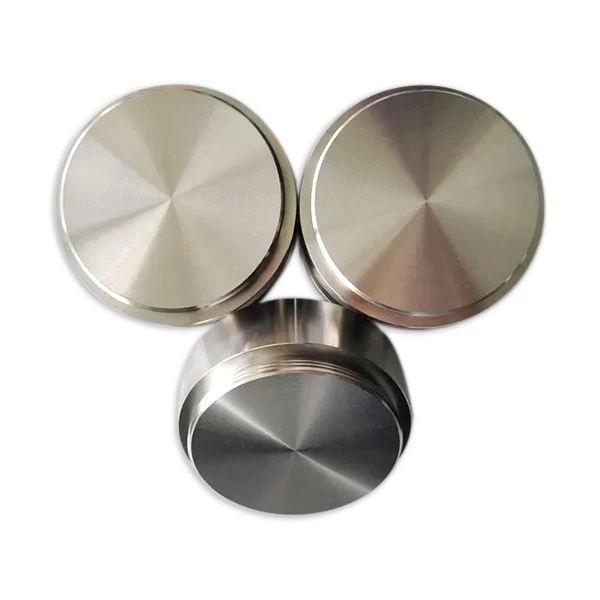
The cost of raw materials is another disadvantage of forging. The quality of the forged product depends largely on the quality of the raw material used. High - quality metals, such as titanium and stainless steel, can be expensive. For example, titanium is a popular choice for forging in industries like aerospace and medical due to its high strength - to - weight ratio and corrosion resistance, but it comes at a high price.
The price of raw materials can also be volatile. Fluctuations in the global market can cause the cost of metals to rise or fall rapidly. As a supplier, we have to deal with these price fluctuations, which can make it difficult to predict our production costs accurately. And when the cost of raw materials goes up, we may have to pass on some of these costs to our customers, which can affect our competitiveness.
Safety Risks
Forging is a dangerous process that involves high temperatures, heavy machinery, and high - pressure operations. Workers are at risk of burns, injuries from flying debris, and accidents related to the operation of the forging equipment. For example, the hot metal can cause severe burns if it comes into contact with the skin, and the high - speed movement of forging hammers and presses can be extremely dangerous.
As a supplier, we have to invest in safety measures to protect our workers. This includes providing personal protective equipment, training our employees on safety procedures, and maintaining a safe working environment. However, despite our best efforts, accidents can still happen, and the potential for serious injuries is always a concern.
Environmental Impact
In addition to being energy - intensive, forging can have other environmental impacts. The heating and forging processes can produce emissions, such as carbon dioxide and other pollutants. The disposal of waste materials, such as scale and scrap metal, also poses environmental challenges.
As a responsible supplier, we're aware of these environmental issues and are taking steps to minimize our impact. We're looking into more sustainable energy sources, such as solar or wind power, to reduce our carbon footprint. We're also recycling as much scrap metal as possible to reduce waste. But these efforts require investment and commitment, and it's an ongoing process to make our forging operations more environmentally friendly.
Despite these disadvantages, forging still has its place in the manufacturing industry. It produces high - quality, strong, and durable parts that are essential in many applications. At our forging and stamping company, we offer a range of products like Titanium Forged Disc, Titanium Round Target, and Titanium Forged Block. If you're in the market for forged parts and want to discuss your requirements, we'd love to hear from you. Reach out to us for a detailed discussion about your specific needs and how we can meet them.
References
- ASM Handbook Committee. (2000). ASM Handbook, Volume 14A: Metalworking: Forging. ASM International.
- Kalpakjian, S., & Schmid, S. R. (2009). Manufacturing Engineering and Technology. Pearson Prentice Hall.
- Dieter, G. E. (1988). Mechanical Metallurgy. McGraw - Hill.