

What Are the Main Applications of Titanium?
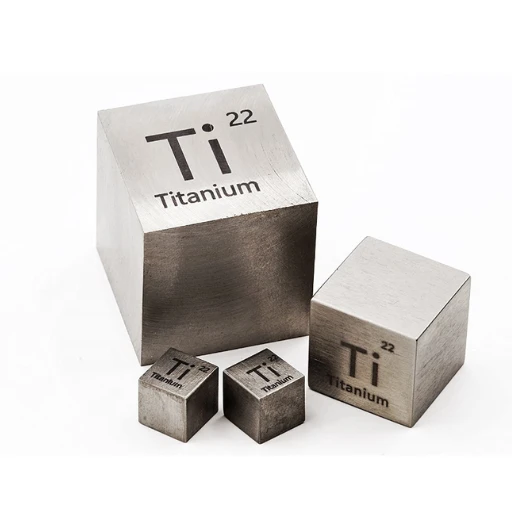
The Use of Titanium in Aircraft and Aerospace Industries
Titanium is also highly demanded in aircraft and aerospace industries mainly because it has a unique strength-to-weight ratio, is resistant to corrosion, and can withstand high temperatures. This makes titanium an ideal material for producing such critical components of airplanes as airframes, engines, and fasteners. For example, titanium alloys are used in about 39% of materials produced for modern jet engines resulting in improved fuel economy and decreased servicing costs.
In the aerospace industry titanium is needed to build spacecrafts and satellites. Its lightweight nature reduces launch weights as well as fuel consumption while its capacity to endure space conditions such as radiation and temperature extremes ensures the life span and reliability of these missions. Moreover, titanium's biocompatibility can be helpful during human space flight – being safe for use on medical implants or other live-supporting systems.
To sum up, the combination of durability with lightweight, resistance to various environmental factors, and exceptional performance abilities makes titanium an indispensable tool for improving the capabilities of both aircraft themselves and aviation technologies in general.
Making Dental Implants out of Titanium
Titanium is widely used in making dental implants due to its biocompatibility, durability, strength, etc. The first step in the process involves designing the implant carefully so that it mimics a normal tooth root system. Through osseointegration; which refers to its ability to bond with human bones; titanium is able to integrate with the jawbone. As a result of this fusion with the bone tissue inside the jawbone taking place permanently; dental implants become fixed structures within one's mouth that provide support for artificial teeth.
Moreover, corrosion from body fluids cannot damage them over long periods since titanium does not corrode when exposed to bodily fluids. Application of surface treatments like roughening implant surfaces improve osseointegration thereby boosting stability plus reducing healing time by far. Additionally, there exist high success rates affiliated with dentition made of titanium as such this type of implant is a preferred choice for dental professionals worldwide. This combination of properties results in restored function and aesthetics so that patients can have the benefits of natural-looking and secure dental replacements.
Understanding Titanium Alloys and Their Benefits
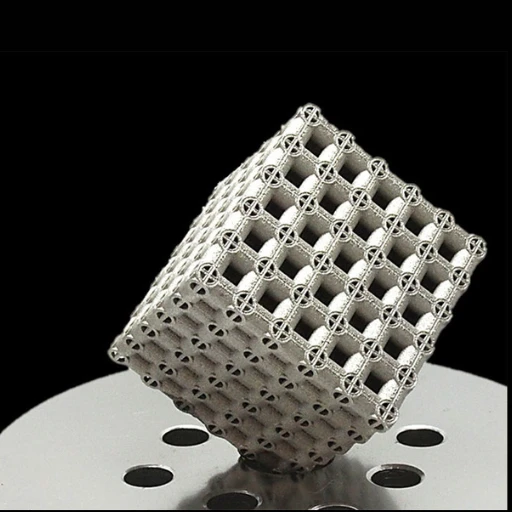
The Use of Titanium Alloys in Industrial Applications
Titanium alloys are used in various industrial applications because they have an excellent strength-to-weight ratio, resistance to corrosion, and ability to withstand high temperatures. In the aerospace industry, for instance, these metals are beneficial as they help in making structures that are light but strong for aircraft and space crafts. Moreover, titanium alloys are employed by automobile manufacturers to make lightweight yet high-performance components that can improve fuel economy and reduce emissions.
In medicine, titanium alloys find use in the creation of surgical instruments and implants such as joint replacements where biocompatibility is important for strength. These materials also find use in industries where chemical processing and power generation are involved due to their resilience against corrosion even under severe conditions hence improving the life span of key equipment.
To conclude, titanium alloys demonstrate versatility through their remarkable qualities which makes them inevitable towards advancing industrial technologies and improving operational efficiencies across multiple sectors.
Why Titanium Alloy is Critical in Medicine
In medicine, however, titanium alloy has become critical primarily because of its exceptional strength,bio-compatibility, and corrosion resistance. The fact it does not cause any harm to the human body means that it is tolerated well by human bodies hence it lowers risks associated with reactions when used on implants or surgical apparatus. The perfect balance between weight and force allows medical devices made from this material to be heavy-duty but light at the same time. This includes spine fixation devices, dental implants, or artificial joints like knee prostheses. These materials work as a shield within the tough biological systems-assuring the long service life of their products without degrading on account of degradation. Thus, such characteristics are crucial in enhancing patient outcomes while also increasing longevity rates for medical apparatuses.


