

What is the thickness range of titanium plate?
As a seasoned titanium plate supplier, I often encounter inquiries about the thickness range of titanium plates. This topic is crucial for various industries, from aerospace and medical to marine and chemical processing, as the thickness of titanium plates directly impacts their performance and suitability for specific applications. In this blog post, I'll delve into the typical thickness ranges of titanium plates, factors influencing these ranges, and how our company can meet your specific requirements.
Typical Thickness Ranges of Titanium Plates
Titanium plates are available in a wide range of thicknesses to accommodate diverse industrial needs. Generally, the thickness of titanium plates can vary from as thin as 0.3 mm to as thick as 300 mm. However, the most commonly used thicknesses fall within the range of 1 mm to 100 mm.
- Thin Titanium Plates (0.3 mm - 3 mm): Thin titanium plates are often used in applications where weight reduction and flexibility are crucial. These plates are commonly employed in the aerospace industry for components such as aircraft skins, engine parts, and structural elements. They are also used in the electronics industry for manufacturing circuit boards and other electronic components. Our Gr2 Titanium Plate is available in thin thicknesses and offers excellent corrosion resistance and formability, making it suitable for a variety of applications.
- Medium-Thickness Titanium Plates (3 mm - 20 mm): Medium-thickness titanium plates are widely used in various industries due to their versatility. They are commonly used in the chemical processing industry for manufacturing reactors, heat exchangers, and storage tanks. In the marine industry, these plates are used for shipbuilding, offshore platforms, and desalination plants. Our Gr2 Titanium Sheet in medium thicknesses provides a good balance of strength, corrosion resistance, and weldability, making it a popular choice for many applications.
- Thick Titanium Plates (20 mm - 300 mm): Thick titanium plates are typically used in applications that require high strength and durability. They are commonly used in the aerospace industry for manufacturing landing gear, engine mounts, and structural components. In the power generation industry, these plates are used for manufacturing nuclear reactors, steam turbines, and other high-pressure equipment. Our company can provide thick titanium plates in custom sizes and thicknesses to meet your specific requirements.
Factors Influencing the Thickness Range of Titanium Plates
Several factors influence the thickness range of titanium plates, including the manufacturing process, application requirements, and material properties.
- Manufacturing Process: The manufacturing process plays a significant role in determining the thickness range of titanium plates. Titanium plates can be produced through various methods, such as rolling, forging, and casting. Each method has its own limitations and capabilities in terms of thickness. For example, rolling is a common method for producing thin and medium-thickness titanium plates, while forging is typically used for producing thick titanium plates.
- Application Requirements: The application requirements also influence the thickness range of titanium plates. Different applications have different requirements for strength, corrosion resistance, and other properties. For example, aerospace applications require titanium plates with high strength and low weight, while chemical processing applications require titanium plates with excellent corrosion resistance. The thickness of the titanium plate needs to be selected based on the specific requirements of the application.
- Material Properties: The material properties of titanium also affect the thickness range of titanium plates. Titanium has excellent strength-to-weight ratio, corrosion resistance, and biocompatibility. However, these properties can vary depending on the alloy composition and processing conditions. For example, some titanium alloys have higher strength but lower ductility, while others have better corrosion resistance but lower strength. The thickness of the titanium plate needs to be selected based on the material properties required for the application.
Our Company's Capabilities in Providing Titanium Plates
As a leading titanium plate supplier, we have extensive experience and expertise in providing high-quality titanium plates in a wide range of thicknesses. Our company has advanced manufacturing facilities and equipment, which enable us to produce titanium plates with precise dimensions and excellent surface quality. We also have a strict quality control system in place to ensure that all our products meet the highest standards.
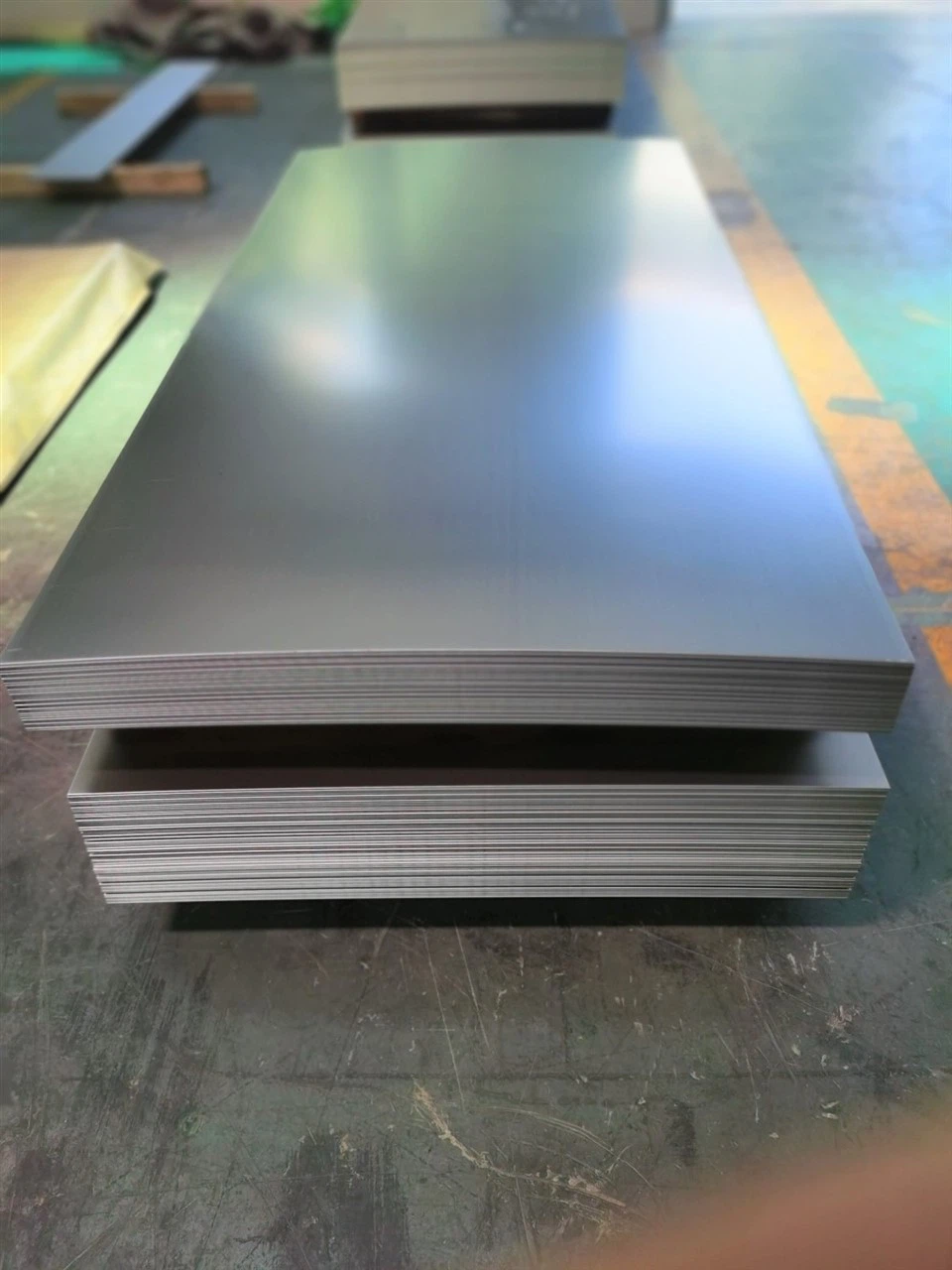

- Customization: We understand that different customers have different requirements for titanium plates. Therefore, we offer customized solutions to meet your specific needs. Whether you need thin titanium plates for aerospace applications or thick titanium plates for power generation equipment, we can provide you with the right product. Our technical team can work closely with you to understand your requirements and recommend the most suitable titanium plate thickness and alloy for your application.
- Quality Assurance: We are committed to providing our customers with high-quality titanium plates. We source our raw materials from reputable suppliers and conduct strict quality inspections at every stage of the manufacturing process. Our products are tested and certified to meet international standards, such as ASTM, ASME, and GB. We also offer a warranty on all our products to ensure your satisfaction.
- Competitive Pricing: We strive to provide our customers with competitive pricing without compromising on quality. We have established long-term partnerships with our suppliers, which enables us to obtain raw materials at favorable prices. We also optimize our manufacturing processes to reduce costs and improve efficiency. As a result, we can offer you high-quality titanium plates at competitive prices.
Conclusion
In conclusion, the thickness range of titanium plates can vary from as thin as 0.3 mm to as thick as 300 mm, depending on the manufacturing process, application requirements, and material properties. As a titanium plate supplier, we have the capabilities and expertise to provide you with high-quality titanium plates in a wide range of thicknesses. Whether you need thin titanium plates for aerospace applications or thick titanium plates for power generation equipment, we can meet your specific requirements. If you have any questions or need further information about our titanium plates, please feel free to contact us. We look forward to working with you and providing you with the best solutions for your titanium plate needs.
References
- ASM Handbook, Volume 2: Properties and Selection: Nonferrous Alloys and Special-Purpose Materials.
- Titanium: A Technical Guide, Second Edition.
- ASTM International Standards for Titanium and Titanium Alloys.