

What is the price range of nickel alloy?
The price of nickel alloy can vary significantly based on multiple factors. As a well - established nickel alloy supplier, I've witnessed firsthand the fluctuations in the market and understand the various elements that influence the price range.
1. Composition and Purity
One of the primary determinants of the price of nickel alloy is its composition. Nickel alloys are made by combining nickel with other elements such as chromium, molybdenum, iron, and copper. The proportion of these elements can greatly affect the alloy's properties and, subsequently, its price.
For instance, alloys with a high percentage of nickel and precious alloying elements like molybdenum tend to be more expensive. Pure nickel products, such as the Pure Nickel Sheet, have a different price dynamic compared to multi - component alloys. Pure nickel sheets are often used in applications where high corrosion resistance and electrical conductivity are required. Their price is mainly influenced by the purity of nickel, with higher purity sheets commanding a premium.

2. Manufacturing Process
The complexity of the manufacturing process also plays a crucial role in the pricing of nickel alloys. Some nickel alloys require specialized production techniques, such as precision casting or hot forging. These processes demand advanced equipment, skilled labor, and strict quality control, all of which add to the production cost.
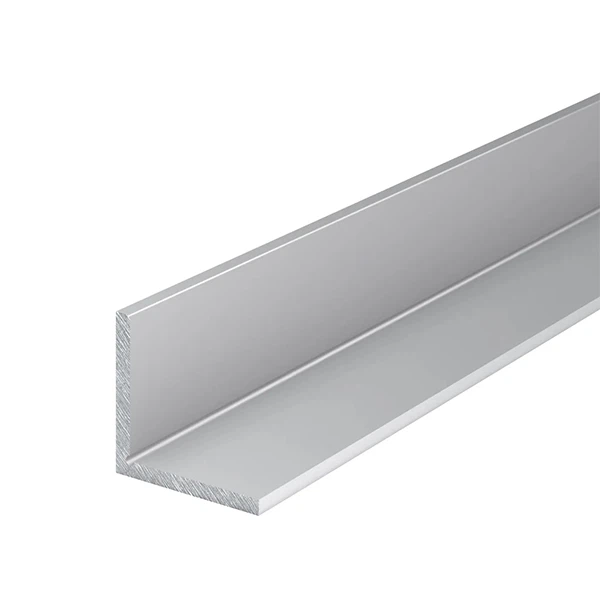
For example, the production of Nickel Alloy L - Type Profile might involve complex rolling and shaping operations. The need to maintain specific dimensions and mechanical properties during the manufacturing process increases the overall cost. On the other hand, simpler forms of nickel alloys, like basic bars, may have a relatively lower price due to less complicated production methods.
3. Market Demand and Supply
The basic economic principle of supply and demand has a significant impact on the price of nickel alloys. When the demand for nickel alloys is high, such as in industries like aerospace, chemical processing, and power generation, the prices tend to rise. These industries require nickel alloys for their excellent heat resistance, corrosion resistance, and mechanical strength.
Conversely, if the supply of nickel alloys exceeds the demand, prices are likely to fall. The supply of nickel alloys is influenced by factors such as the availability of raw materials, production capacity of manufacturers, and global economic conditions. For example, disruptions in the mining of nickel ore can lead to a decrease in supply, causing prices to spike.
4. Global Economic Conditions
Global economic conditions can have a far - reaching impact on the price of nickel alloys. During periods of economic growth, industries expand their operations, leading to an increased demand for nickel alloys. This, in turn, drives up prices. On the contrary, during an economic recession, industries may cut back on production, reducing the demand for nickel alloys and causing prices to decline.
Exchange rates also play a role, especially for international suppliers. A strong domestic currency can make nickel alloys more expensive for foreign buyers, potentially reducing demand. In contrast, a weak currency can make exports more competitive, increasing demand and potentially raising prices.
5. Quality and Certification
The quality of nickel alloys and the certifications they hold can significantly affect their price. High - quality nickel alloys that meet strict international standards, such as ASTM (American Society for Testing and Materials) or ISO (International Organization for Standardization), are generally more expensive. These standards ensure that the alloys have consistent properties and are suitable for critical applications.
Certifications also add value to the products. For example, if a nickel alloy is certified for use in nuclear power plants, it must undergo rigorous testing and meet specific safety requirements. The cost of obtaining and maintaining these certifications is reflected in the price of the product.
Price Range
Given the various factors influencing the price of nickel alloys, it is challenging to provide a precise price range. However, we can give a general idea based on common types of nickel alloys and products.
- Low - end: Basic nickel - iron alloys with a relatively simple composition and standard manufacturing processes can be found in the range of $5 - $10 per pound. These alloys are often used in less demanding applications where moderate corrosion resistance and mechanical properties are sufficient.
- Mid - range: Nickel alloys with a more balanced composition, such as those containing nickel, chromium, and a small amount of other elements, typically cost between $10 - $25 per pound. Products like Nickel Alloy Rectangular Section Bar in this price range are commonly used in general industrial applications, such as machinery manufacturing and construction.
- High - end: High - performance nickel alloys, such as those used in aerospace and high - temperature applications, can cost upwards of $25 per pound. These alloys are engineered to withstand extreme conditions, and their production involves advanced technologies and strict quality control.
It's important to note that these price ranges are approximate and can change over time due to the factors mentioned above.
Contact for Procurement
If you are interested in purchasing nickel alloys, whether it's a Nickel Alloy L - Type Profile, Pure Nickel Sheet, or Nickel Alloy Rectangular Section Bar, we are here to assist you. Our team of experts can provide detailed information about our products, help you select the most suitable alloy for your application, and offer competitive pricing. We invite you to reach out to us for a quote and start a procurement discussion.
References
- "Handbook of Nickel and Nickel Alloys" by ASM International
- "Nickel: A Vital Metal for Modern Industry" by International Nickel Study Group
- Industry reports from major metal market research firms