

What is the maintenance requirement for forging and stamping dies?
Forging and stamping dies are essential tools in the manufacturing industry, especially for a forging and stamping supplier like us. These dies play a crucial role in shaping and forming metal parts with high precision and efficiency. However, to ensure their optimal performance and longevity, proper maintenance is of utmost importance. In this blog, we will delve into the maintenance requirements for forging and stamping dies.
1. Regular Cleaning
One of the fundamental maintenance tasks for forging and stamping dies is regular cleaning. During the forging and stamping processes, a significant amount of debris, such as metal shavings, lubricants, and dirt, can accumulate on the surface of the dies. This accumulation can not only affect the quality of the formed parts but also cause premature wear and damage to the dies.
We recommend cleaning the dies after each production run or at regular intervals, depending on the production volume. A soft brush or compressed air can be used to remove loose debris from the die surface. For more stubborn contaminants, a mild detergent and water solution can be applied, followed by thorough rinsing and drying. It is important to ensure that no moisture remains on the die surface, as this can lead to rusting and corrosion.
2. Inspection and Detection
Regular inspection is another critical aspect of die maintenance. Through visual inspection, we can identify any signs of wear, cracks, or damage on the die surface. In addition to visual inspection, non - destructive testing methods, such as ultrasonic testing and magnetic particle testing, can be used to detect internal defects that may not be visible to the naked eye.
For example, ultrasonic testing can be used to detect cracks and flaws inside the die material. By sending ultrasonic waves through the die, any irregularities in the material can be detected based on the reflection and transmission of the waves. Magnetic particle testing is suitable for detecting surface and near - surface defects in ferromagnetic materials. A magnetic field is applied to the die, and magnetic particles are then applied. Any defects will cause the magnetic particles to accumulate, making the defects visible.
During the inspection, it is also necessary to check the alignment and fit of the die components. Misaligned dies can lead to uneven stress distribution, which can cause premature wear and affect the quality of the formed parts. If any problems are detected during the inspection, appropriate measures should be taken immediately, such as repair or replacement of the damaged components.
3. Lubrication
Proper lubrication is essential for reducing friction and wear between the die and the workpiece during the forging and stamping processes. Lubricants can also help to dissipate heat, which is generated during the deformation of the metal.
There are various types of lubricants available for forging and stamping dies, including oil - based lubricants, water - based lubricants, and dry lubricants. The choice of lubricant depends on several factors, such as the type of metal being forged or stamped, the forging or stamping process, and the operating conditions.
When applying lubricants, it is important to ensure that they are evenly distributed on the die surface. Over - lubrication can lead to the accumulation of lubricant residues, which can affect the quality of the formed parts and cause environmental pollution. Under - lubrication, on the other hand, can result in increased friction and wear, reducing the lifespan of the dies.
4. Heat Treatment and Surface Treatment
Heat treatment and surface treatment can significantly improve the hardness, wear resistance, and corrosion resistance of forging and stamping dies. Heat treatment processes, such as quenching and tempering, can adjust the microstructure of the die material, enhancing its mechanical properties.
Surface treatment methods, such as nitriding, coating, and plating, can form a protective layer on the die surface, which can reduce friction, improve wear resistance, and prevent corrosion. For example, titanium nitride (TiN) coating is widely used in forging and stamping dies due to its high hardness, low friction coefficient, and good wear resistance.
However, it is important to note that heat treatment and surface treatment should be carried out by professional technicians according to the specific requirements of the die material and the application. Improper heat treatment or surface treatment can cause cracking, distortion, or other problems, which can reduce the performance and lifespan of the dies.

5. Storage and Handling
Proper storage and handling of forging and stamping dies are also important for their maintenance. When the dies are not in use, they should be stored in a dry, clean, and well - ventilated environment. It is recommended to cover the dies with a protective coating or wrapping to prevent dust, moisture, and other contaminants from contacting the die surface.
During handling, care should be taken to avoid dropping or impacting the dies, as this can cause damage to the die surface or internal structure. Special handling equipment, such as cranes and forklifts, should be used to ensure the safe movement of the dies.
6. Training and Documentation
To ensure the effective maintenance of forging and stamping dies, it is necessary to provide training for the operators and maintenance personnel. They should be trained on the proper use, inspection, cleaning, lubrication, and maintenance procedures of the dies.
In addition, detailed documentation of the die maintenance history should be kept. This documentation can include information such as the date of purchase, inspection results, maintenance records, and repair history. By analyzing this information, we can identify any patterns or trends in die wear and damage, and take proactive measures to prevent future problems.
Related Products
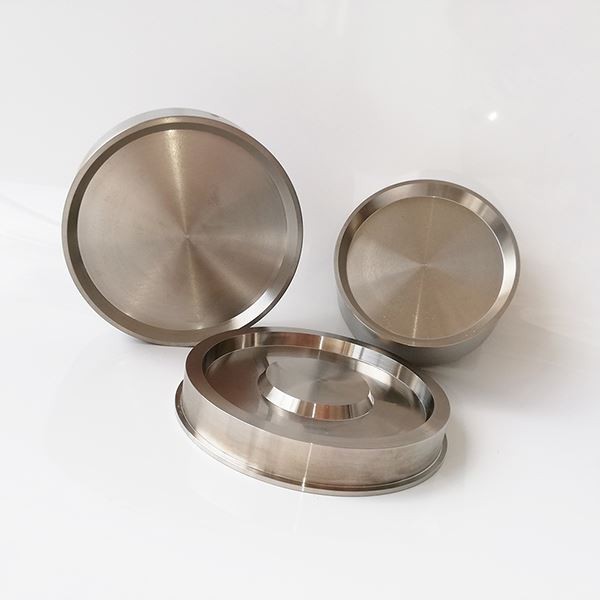
As a forging and stamping supplier, we offer a wide range of high - quality products, including High Purity Titanium Sputtering Target, Titanium Forged Block, and Titanium Forging Ring. These products are manufactured using advanced forging and stamping techniques and undergo strict quality control to ensure their performance and reliability.
Conclusion
In conclusion, the maintenance of forging and stamping dies is a comprehensive task that requires regular cleaning, inspection, lubrication, heat treatment, surface treatment, proper storage and handling, as well as training and documentation. By following these maintenance requirements, we can ensure the optimal performance and longevity of the dies, reduce production costs, and improve the quality of the formed parts.
If you are interested in our forging and stamping products or have any questions about die maintenance, please feel free to contact us for further discussion and procurement negotiation. We are committed to providing high - quality products and professional services to meet your needs.
References
- "Handbook of Forging and Metalforming" by George E. Dieter
- "Stamping Die Design and Manufacturing" by Peter Ulintz
- "Materials Science and Engineering: An Introduction" by William D. Callister, Jr. and David G. Rethwisch