

What is the difference between a titanium and a Teflon frying pan?
Hey there, home cooks and kitchen enthusiasts! Today, I'm gonna talk about something that's super important in the kitchen: the difference between a titanium and a Teflon frying pan. As a titanium frying pan supplier, I've seen firsthand the pros and cons of both, and I'm here to share my knowledge with you.
Let's start with the basics. Teflon is a brand name for a type of non - stick coating called polytetrafluoroethylene (PTFE). It's been around for ages and is probably the most well - known non - stick surface in the market. On the other hand, titanium frying pans are made with titanium or have a titanium - based coating.
Non - stick Performance
One of the main things we look for in a frying pan is how well it keeps food from sticking. Teflon is famous for its excellent non - stick properties. When you cook an egg in a Teflon pan, it slides right out, and cleaning up is a breeze. You can use less oil, which is great for those of us watching our fat intake.
But here's the deal with Teflon. Over time, the non - stick coating can wear off, especially if you use metal utensils or scrub it too hard. Once the coating starts to flake, not only does the non - stick performance go down, but there are also concerns about ingesting the tiny pieces of Teflon. Some studies have linked PTFE to health issues when it breaks down at high temperatures.
Now, titanium frying pans. Titanium is an incredibly strong and durable metal. When used in frying pans, it can provide a long - lasting non - stick surface. The non - stick performance of a good titanium pan is almost as good as Teflon, and in some cases, even better. Titanium pans can handle metal utensils without scratching easily, which means they'll keep their non - stick properties for much longer. You can cook all your favorite foods, from delicate fish to sticky pancakes, and they'll come out cleanly. Check out our Titanium Trimetallic Wok 34cm for an example of a great titanium - based cookware with excellent non - stick capabilities.
Heat Distribution
Another important factor is how well the pan distributes heat. Teflon pans usually have a base made of aluminum or another metal that conducts heat. Aluminum is a good heat conductor, but it can sometimes heat unevenly, leaving hot spots in the pan. This means you might end up with some parts of your food being overcooked while others are undercooked.
Titanium pans, on the other hand, often have a multi - layer construction that includes titanium and other metals. This combination allows for more even heat distribution. The heat spreads across the pan quickly and evenly, so your food cooks uniformly. Whether you're searing a steak or making a stir - fry, you'll get consistent results every time.
Durability
Durability is a biggie. Teflon pans are relatively fragile. As I mentioned earlier, the non - stick coating can wear off easily. If you accidentally drop a Teflon pan, the coating might crack, and that's the end of its non - stick days.
Titanium is a tough cookie. Titanium frying pans can withstand a lot of abuse. They're resistant to scratches, dents, and warping. You can use them on high heat without worrying about the pan losing its shape. And because the non - stick surface is more integral to the pan's structure, it doesn't flake off like Teflon. Our Titanium Composite Chopping Board also showcases the durability of titanium in kitchenware.

Health Concerns
Health is always a top priority. Teflon has been under the microscope when it comes to health risks. When Teflon is heated to very high temperatures (above 500°F or 260°C), it can release toxic fumes. These fumes can be harmful to humans and can even be deadly to pet birds.
Titanium is a biocompatible metal, which means it's safe for humans. It doesn't release any harmful chemicals when heated, no matter how high the temperature. You can cook with peace of mind knowing that you're not exposing yourself or your family to any potential toxins.
Cost
Cost is often a deciding factor when choosing a frying pan. Teflon pans are generally cheaper. You can find a decent Teflon frying pan at your local discount store for a relatively low price. But remember, you might have to replace it more often because of the wear and tear on the coating.
Titanium frying pans are more expensive upfront. However, considering their durability and long - term performance, they're a great investment. You won't have to keep buying new pans every couple of years, which can save you money in the long run.
Versatility
Teflon pans are mainly designed for stovetop use. You can use them on gas, electric, or induction stoves, but you have to be careful with the temperature. High heat can damage the coating.
Titanium pans are more versatile. They can be used on all types of stoves, including induction. You can also use them in the oven in many cases. This gives you more options when it comes to cooking different recipes.
Maintenance
Maintaining a Teflon pan is a bit tricky. You have to use non - metal utensils to avoid scratching the coating. And when it comes to cleaning, you can't use abrasive sponges or harsh chemicals.
Titanium pans are much easier to maintain. You can use metal utensils, and you can clean them with regular dish soap and a sponge. They're dishwasher - safe in most cases, which is a huge plus for busy people.
In conclusion, while Teflon frying pans have been popular for a long time, titanium frying pans offer a lot of advantages. They're more durable, safer, and have better overall performance. If you're serious about cooking and want a pan that will last you a long time, a titanium frying pan is the way to go.
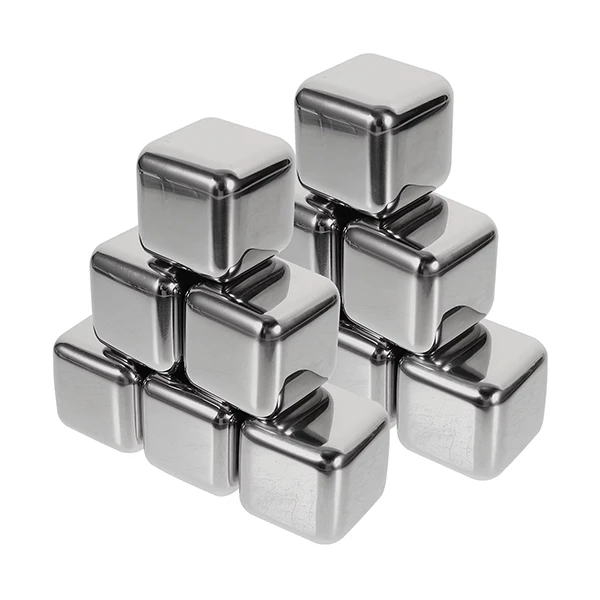
If you're interested in our titanium frying pans or other titanium kitchen accessories like Titanium Whiskey Stones, we'd love to talk to you. Whether you're a home cook looking to upgrade your kitchen or a business interested in bulk purchasing, reach out to us for a purchase discussion. We're here to help you find the perfect titanium cookware for your needs.
References
- Consumer Reports: Various studies on cookware performance and safety.
- Scientific research on the properties of titanium and PTFE.