

What is the cold working of a pure nickel sheet?
Hey there! As a supplier of pure nickel sheets, I'm super stoked to chat about the cold working of these bad boys. First off, let's get into what cold working actually is.
Cold working is a process where we shape and modify the properties of a material, in this case, our pure nickel sheets, at room temperature. Unlike hot working, which involves heating the material to high temperatures to make it more malleable, cold working relies on mechanical forces to change the shape of the nickel sheet.
One of the main advantages of cold working pure nickel sheets is that it can significantly enhance their strength and hardness. When we apply pressure, the grains within the nickel structure get deformed. This deformation creates a lot of internal stress and dislocations in the material. These dislocations act as barriers to the movement of other dislocations, which makes it harder for the material to deform further. As a result, the strength and hardness of the pure nickel sheet increase.
For example, when we roll a pure nickel sheet through a pair of rollers at room temperature, the thickness of the sheet decreases while its length increases. This process is called cold rolling. Cold rolling can make the nickel sheet much stronger and more resistant to wear and tear. It's like giving the nickel a little workout to make it tougher!
Another common cold working process for pure nickel sheets is cold drawing. In cold drawing, we pull the nickel sheet through a die to reduce its cross - sectional area. This can be used to make wires or other long, thin products. Cold drawing not only changes the shape of the nickel sheet but also aligns the grains in the direction of drawing, which can improve the mechanical properties of the final product.
Cold working also has an impact on the ductility of the pure nickel sheet. As we increase the amount of cold work, the ductility of the nickel sheet decreases. Ductility is the ability of a material to deform plastically before breaking. When we cold work the nickel, the internal structure becomes more rigid, and it becomes less likely to stretch or bend without cracking. However, this isn't always a bad thing. In applications where high strength is more important than ductility, cold - worked pure nickel sheets are a great choice.
Now, let's talk about some of the applications of cold - worked pure nickel sheets. They are widely used in the electronics industry. Because of their high electrical conductivity and good corrosion resistance, cold - worked pure nickel sheets are often used in the production of electrical contacts, connectors, and printed circuit boards.
In the chemical industry, these sheets are also in high demand. Their corrosion - resistant properties make them suitable for use in chemical processing equipment, such as reactors and storage tanks. The strength gained through cold working ensures that the equipment can withstand the harsh chemical environments and mechanical stresses.
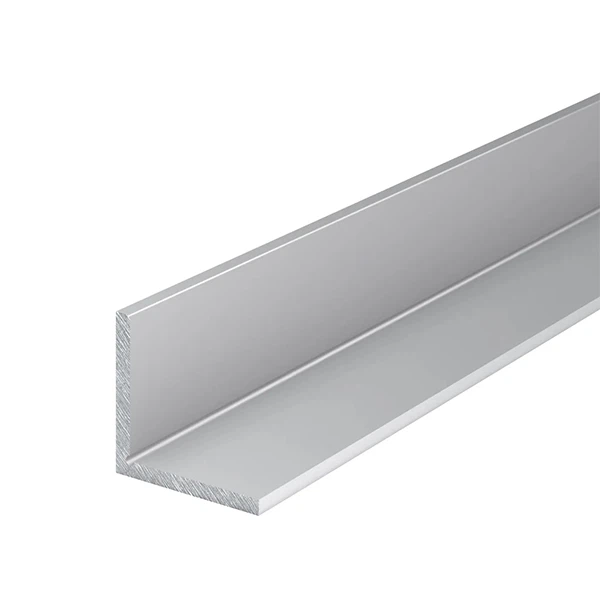
If you're interested in other nickel - related products, we also offer Nickel Alloy Wire, Nickel Alloy L - Type Profile, and Nickel Foil Strip. These products can also be cold - worked to achieve different properties based on your specific needs.
It's important to note that after cold working, the pure nickel sheet may experience work hardening. Work hardening means that the material becomes harder and more brittle. In some cases, we may need to perform a heat treatment process called annealing to relieve the internal stresses and restore some of the ductility. Annealing involves heating the cold - worked nickel sheet to a specific temperature and then cooling it slowly. This process allows the dislocations in the material to rearrange themselves, reducing the internal stress and making the material more workable again.

So, how do we ensure the quality of our cold - worked pure nickel sheets? Well, we have a strict quality control system in place. First, we start with high - quality raw materials. We source our pure nickel from reliable suppliers who meet our strict purity and quality standards. During the cold working process, we closely monitor the parameters such as the pressure, speed, and temperature. We also conduct various tests on the finished products, including hardness tests, tensile tests, and corrosion tests. These tests help us ensure that our cold - worked pure nickel sheets meet the required specifications and perform well in different applications.
If you're in the market for high - quality cold - worked pure nickel sheets, or any of our other nickel - related products, don't hesitate to reach out. We're here to provide you with the best products and services. Whether you need a small quantity for a prototype or a large order for mass production, we can meet your needs. We can also work with you to customize the products based on your specific requirements. So, let's start the conversation and see how we can help you with your nickel needs.
References
- ASM Handbook Committee. (2009). ASM Handbook Volume 7: Forging, Rolling, and Extrusion. ASM International.
- Callister, W. D., & Rethwisch, D. G. (2017). Materials Science and Engineering: An Introduction. Wiley.