

What are the mechanical properties of nickel alloy?
Hey there! I'm a supplier of nickel alloy, and today I'm gonna talk about the mechanical properties of nickel alloy. Nickel alloys are super cool materials that have a wide range of applications in different industries, from aerospace to chemical processing. Let's dig into what makes these alloys so special in terms of their mechanical performance.
Tensile Strength
One of the most important mechanical properties of any material is its tensile strength. Nickel alloys generally have high tensile strength, which means they can withstand a lot of pulling force without breaking. This is crucial in applications where the material has to endure heavy loads, like in aircraft engines or oil and gas pipelines.
For example, some high - performance nickel alloys can have a tensile strength of over 1000 MPa. This high strength is due to the unique crystal structure and the presence of alloying elements like chromium, molybdenum, and titanium. These elements form solid solutions and precipitates within the nickel matrix, which strengthen the material. When you're looking for a material that can handle high - stress situations, nickel alloys are a top choice. If you're interested in a product that showcases this strength, check out our Nickel Alloy Rectangular Section Bar. It's designed to withstand high - tension forces in various industrial setups.
Yield Strength
Yield strength is another key property. It's the point at which a material starts to deform permanently under stress. Nickel alloys usually have a high yield strength, which means they can maintain their shape and integrity under significant loads before they start to show plastic deformation.
This is really useful in engineering applications where dimensional stability is crucial. For instance, in the construction of pressure vessels, the material needs to have a high yield strength to ensure that it doesn't deform under internal pressure. Our nickel alloys can be tailored to have specific yield strengths depending on the application requirements. Whether you need a high - yield alloy for a critical aerospace component or a medium - yield alloy for a general - purpose industrial part, we've got you covered.

Ductility
Ductility is the ability of a material to be stretched or deformed without breaking. Nickel alloys are known for their good ductility, especially at high temperatures. This property makes them easy to process through methods like forging, rolling, and extrusion.
During manufacturing processes, ductility allows the material to be shaped into different forms without cracking. For example, when making Pure Nickel Sheet, the high ductility of the nickel alloy ensures that it can be rolled into thin sheets with a smooth surface finish. This is not only beneficial for the manufacturing process but also for the end - use of the product. Components made from ductile nickel alloys can better absorb energy during impact, reducing the risk of sudden failure.
Hardness
Hardness is related to a material's resistance to indentation, scratching, and wear. Nickel alloys can have a wide range of hardness values depending on their composition and heat treatment. Some nickel alloys are heat - treated to increase their hardness, making them suitable for applications where wear resistance is important.
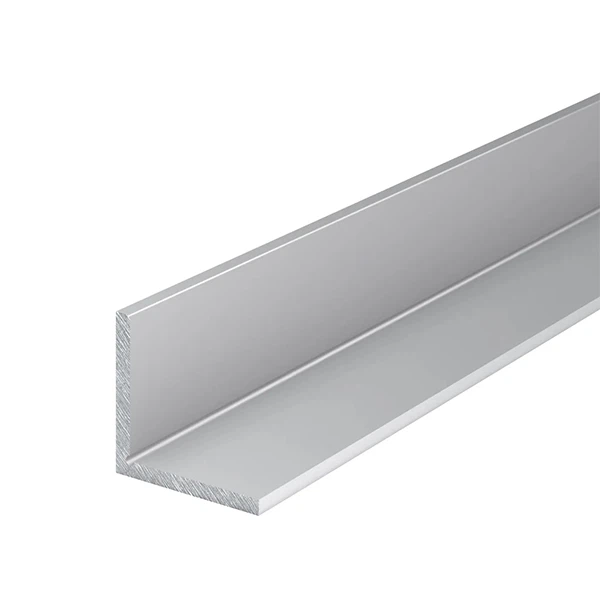
For example, in the mining industry, parts that are in contact with abrasive materials need to be hard to resist wear. Our Nickel Alloy L - Type Profile can be heat - treated to achieve a high hardness level, ensuring a long service life in harsh environments. The ability to control the hardness of nickel alloys gives us the flexibility to meet the diverse needs of different industries.
Fatigue Resistance
Fatigue resistance is the ability of a material to withstand repeated loading and unloading cycles without failing. In many engineering applications, components are subjected to cyclic stresses, such as in rotating machinery or bridges. Nickel alloys have excellent fatigue resistance, which is a huge advantage in these situations.
The fine - grained microstructure and the presence of alloying elements in nickel alloys help to prevent the initiation and propagation of cracks under cyclic loading. This means that components made from nickel alloys can last longer and require less maintenance. Whether it's a turbine blade in a power plant or a suspension component in a vehicle, our nickel alloys can provide reliable performance under cyclic stress conditions.
Creep Resistance
Creep is the slow, permanent deformation of a material under a constant load over time, especially at high temperatures. Nickel alloys are well - known for their excellent creep resistance, which makes them ideal for applications in high - temperature environments.
In the aerospace and power generation industries, components are often exposed to high temperatures and constant loads for long periods. Nickel alloys can maintain their strength and shape under these conditions, reducing the risk of creep - related failures. For example, in gas turbine engines, the high - temperature components made from nickel alloys can operate efficiently for thousands of hours without significant creep deformation.
Impact Toughness
Impact toughness is the ability of a material to absorb energy during impact without fracturing. Nickel alloys generally have good impact toughness, which is important in applications where the material may be subjected to sudden impacts.
For example, in the automotive industry, parts like drive shafts and suspension components need to have high impact toughness to withstand the shocks and vibrations during normal operation. Our nickel alloys can provide the necessary impact resistance to ensure the safety and reliability of these components.
Corrosion Resistance and Its Impact on Mechanical Properties
One of the unique features of nickel alloys is their excellent corrosion resistance. Corrosion can significantly affect the mechanical properties of a material by reducing its cross - sectional area and causing stress concentrations. Since nickel alloys are highly resistant to corrosion, their mechanical properties are better preserved over time.
In marine environments, where components are exposed to saltwater, nickel alloys can resist corrosion and maintain their strength and ductility. This is crucial for the long - term performance of structures like offshore platforms and ship components. The combination of corrosion resistance and good mechanical properties makes nickel alloys a versatile choice for a wide range of applications.
Conclusion
So, as you can see, nickel alloys have a wide range of impressive mechanical properties. From high tensile strength and yield strength to good ductility, hardness, fatigue resistance, creep resistance, and impact toughness, these alloys are suitable for a variety of industries and applications. Whether you need a material for a high - stress aerospace component, a corrosion - resistant chemical processing equipment, or a wear - resistant mining part, our nickel alloys can meet your needs.
If you're interested in purchasing nickel alloy products or have any questions about their mechanical properties and how they can fit your specific application, don't hesitate to reach out. We're here to help you find the right nickel alloy solution for your project. Let's start a conversation about your requirements and see how we can work together to achieve your goals.
References
- ASM Handbook Committee. (2000). ASM Handbook, Volume 2: Properties and Selection: Nonferrous Alloys and Special - Purpose Materials. ASM International.
- Davis, J. R. (Ed.). (2001). Nickel, Cobalt, and Their Alloys. ASM International.
- Reed, R. C. (2006). The Superalloys: Fundamentals and Applications. Cambridge University Press.