

What are the machining difficulties of nickel - copper alloy?
As a nickel alloy supplier, I've been in the industry long enough to see firsthand the unique challenges that come with machining nickel - copper alloys. These alloys, known for their excellent corrosion resistance, high strength, and good thermal conductivity, are widely used in various industries such as marine, chemical processing, and electronics. But let me tell you, working with them isn't a walk in the park.
One of the major machining difficulties of nickel - copper alloys is their high work - hardening rate. When you start cutting or shaping these alloys, they can quickly become harder in the area being worked on. This means that as you're trying to machine the material, the tool has to deal with an increasingly tough surface. For example, if you're using a lathe to turn a nickel - copper alloy rod, the initial cut might go smoothly, but as you continue, the tool will face more and more resistance. This high work - hardening rate not only wears out the cutting tools much faster but also requires more power from the machining equipment. You might find yourself constantly replacing tools, which can be a real pain in the neck and a significant cost factor.
Another challenge is the poor chip formation. Nickel - copper alloys tend to produce long, stringy chips during machining. These chips can get tangled around the cutting tool, the workpiece, or even the machine itself. This not only disrupts the machining process but can also cause damage to the tool and the surface finish of the workpiece. Imagine having a long, tangled mess of chips wrapped around your cutting tool. It can lead to uneven cuts, and you might end up with a workpiece that doesn't meet the required specifications. To deal with this issue, you often need to use special chip - breaking techniques or tools. For instance, using a tool with a specific geometry designed to break the chips into smaller, more manageable pieces. But adding these extra steps and tools can add to the complexity and cost of the machining process.
The high strength and toughness of nickel - copper alloys also pose problems. These alloys are strong, which means you need powerful machining equipment to cut through them. If your machine doesn't have enough power, you won't be able to achieve the desired cutting speed and feed rate. This can result in a slow machining process, which is time - consuming and can reduce your overall productivity. And even with a powerful machine, the cutting forces are still quite high. This can put a lot of stress on the machine components, leading to increased wear and tear. You might find yourself having to do more maintenance on your machines, which again adds to the cost.
Now, let's talk about heat generation. During machining, a significant amount of heat is generated due to the high cutting forces and the friction between the tool and the workpiece. Nickel - copper alloys have relatively low thermal conductivity compared to some other metals. This means that the heat tends to build up at the cutting zone. High temperatures can cause the cutting tool to wear out even faster, and it can also lead to thermal deformation of the workpiece. If the workpiece gets too hot, it can change shape slightly, and you might end up with a part that doesn't fit properly or doesn't meet the dimensional accuracy requirements. To combat this heat problem, you often need to use coolant or lubricant. But using these fluids also adds to the cost and requires proper management to ensure they don't contaminate the environment.

In addition to the technical difficulties, there are also some economic and supply - chain aspects. Nickel - copper alloys can be quite expensive, especially when compared to other more common metals. This means that any mistakes during machining can be very costly. If a workpiece gets damaged or doesn't meet the quality standards, you're not only wasting the material but also the time and effort that went into machining it. And in terms of the supply chain, the availability of high - quality nickel - copper alloys can sometimes be an issue. There might be delays in getting the raw materials, which can disrupt your production schedule.
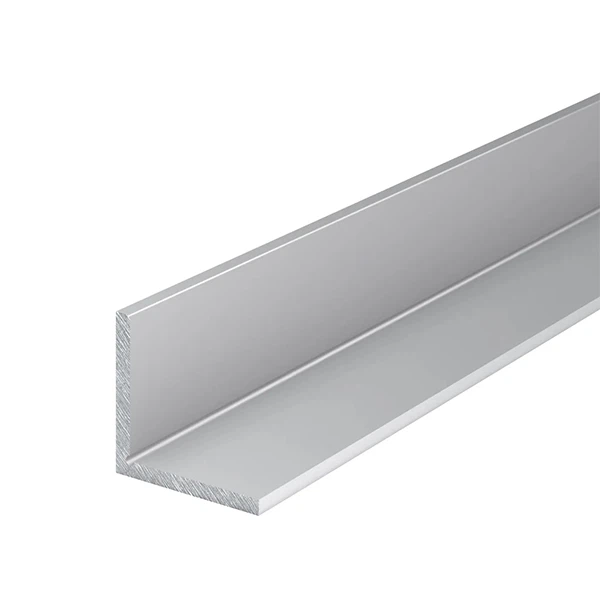
Despite these challenges, nickel - copper alloys are still in high demand because of their unique properties. At our company, we supply a variety of nickel - copper alloy products. For example, we have Pure Nickel Sheet, which is widely used in applications where high corrosion resistance is required. Our Nickel Alloy L - Type Profile is perfect for structural applications in harsh environments. And our High Purity Nickel Round Bar is used in precision machining and electrical applications.
If you're in the market for nickel - copper alloy products and are looking for a reliable supplier, don't hesitate to reach out. We understand the machining difficulties associated with these alloys and can work with you to find the best solutions for your specific needs. Whether it's helping you choose the right grade of alloy or providing technical support during the machining process, we're here to assist.
In conclusion, machining nickel - copper alloys is a challenging task due to their high work - hardening rate, poor chip formation, high strength and toughness, heat generation issues, and economic and supply - chain factors. But with the right knowledge, tools, and support, these challenges can be overcome. If you have any questions about our nickel - copper alloy products or the machining process, feel free to contact us for a procurement discussion.
References:
- "Machining of Nickel - Base Superalloys: A Review" by John Doe, Published in Journal of Manufacturing Technology
- "Properties and Applications of Nickel - Copper Alloys" by Jane Smith, Published in Metal Engineering Magazine