

What are the future prospects of zirconium alloy?
As a zirconium alloy supplier, I've witnessed firsthand the remarkable properties and versatile applications of this extraordinary material. Zirconium alloy, a combination of zirconium with other elements such as tin, iron, chromium, and nickel, offers a unique blend of corrosion resistance, high strength, and low neutron absorption. These characteristics make it an ideal choice for a wide range of industries, from nuclear power to aerospace, and its future prospects are incredibly promising.
Nuclear Power Industry
One of the most significant applications of zirconium alloy is in the nuclear power industry. Zirconium alloys are used to clad nuclear fuel rods due to their excellent corrosion resistance in high-temperature water and low neutron absorption cross-section. This allows for efficient heat transfer and minimizes the risk of fuel rod failure, ensuring the safe and reliable operation of nuclear reactors.
With the growing demand for clean and sustainable energy, the nuclear power industry is expected to expand in the coming years. According to the International Atomic Energy Agency (IAEA), the global nuclear power capacity is projected to increase by 68% by 2050. This growth will drive the demand for zirconium alloy, as new reactors are built and existing ones are upgraded.
In addition to traditional nuclear power plants, zirconium alloy is also being explored for use in advanced nuclear reactors, such as small modular reactors (SMRs) and Generation IV reactors. These next-generation reactors offer several advantages, including enhanced safety, improved efficiency, and reduced waste production. Zirconium alloy's unique properties make it well-suited for these applications, and its use in advanced reactors could further boost the demand for this material.
Aerospace Industry
The aerospace industry is another major consumer of zirconium alloy. Zirconium alloy's high strength-to-weight ratio, corrosion resistance, and ability to withstand high temperatures make it an ideal material for a variety of aerospace components, including engine parts, airframe structures, and heat shields.
As the aerospace industry continues to grow, the demand for lightweight and high-performance materials is increasing. Zirconium alloy's unique properties make it a promising candidate to meet these requirements. For example, zirconium alloy can be used to replace heavier materials such as steel and titanium in certain applications, reducing the weight of aircraft and improving fuel efficiency.
In addition to traditional aerospace applications, zirconium alloy is also being explored for use in emerging technologies such as hypersonic flight and space exploration. Hypersonic vehicles travel at speeds of Mach 5 or higher, and they require materials that can withstand extreme temperatures and pressures. Zirconium alloy's high-temperature resistance and strength make it a potential candidate for use in hypersonic vehicle components. Similarly, in space exploration, zirconium alloy's corrosion resistance and ability to withstand radiation make it a suitable material for use in spacecraft and space habitats.
Chemical and Petrochemical Industry
The chemical and petrochemical industry is another important market for zirconium alloy. Zirconium alloy's excellent corrosion resistance makes it an ideal material for use in chemical processing equipment, such as reactors, heat exchangers, and piping systems. In the petrochemical industry, zirconium alloy is used in applications such as oil and gas refining, where it can withstand the harsh environments and corrosive chemicals involved.
As the global demand for chemicals and petrochemical products continues to grow, the demand for zirconium alloy in the chemical and petrochemical industry is expected to increase. In addition, the trend towards more sustainable and environmentally friendly chemical processes is driving the development of new applications for zirconium alloy. For example, zirconium alloy can be used in membrane reactors for the production of clean fuels and chemicals, where its corrosion resistance and high permeability make it a suitable material for separating and purifying gases.
Medical Industry
The medical industry is also starting to recognize the potential of zirconium alloy. Zirconium alloy's biocompatibility, corrosion resistance, and high strength make it an ideal material for use in medical implants and devices. For example, zirconium alloy is used in dental implants, where its natural color and high strength make it a popular alternative to traditional titanium implants.

In addition to dental implants, zirconium alloy is also being explored for use in other medical applications, such as orthopedic implants, cardiovascular devices, and surgical instruments. As the global population ages and the demand for medical treatments increases, the demand for zirconium alloy in the medical industry is expected to grow.
Other Applications
In addition to the industries mentioned above, zirconium alloy has a wide range of other applications. For example, zirconium alloy is used in the automotive industry for engine components, such as pistons and valves, where its high strength and heat resistance make it a suitable material. In the electronics industry, zirconium alloy is used in the production of semiconductors and other electronic components, where its high dielectric constant and low leakage current make it a suitable material for capacitors and other electronic devices.
Future Challenges and Opportunities
While the future prospects of zirconium alloy are promising, there are also some challenges that need to be addressed. One of the main challenges is the high cost of zirconium alloy production. Zirconium is a relatively rare element, and the extraction and processing of zirconium ore are complex and expensive. This makes zirconium alloy more expensive than other materials, such as steel and aluminum, which can limit its use in some applications.
Another challenge is the limited availability of zirconium ore. Most of the world's zirconium ore is mined in Australia and South Africa, and there are concerns about the long-term supply of this resource. To address this issue, there is a need to develop new sources of zirconium ore and to improve the efficiency of zirconium extraction and processing.
Despite these challenges, there are also many opportunities for the future development of zirconium alloy. One of the main opportunities is the development of new and improved zirconium alloy compositions. By alloying zirconium with other elements, it is possible to enhance its properties and make it suitable for a wider range of applications. For example, researchers are currently exploring the use of zirconium alloy with rare earth elements to improve its high-temperature strength and corrosion resistance.
Another opportunity is the development of new manufacturing processes for zirconium alloy. Traditional manufacturing processes for zirconium alloy, such as casting and forging, are energy-intensive and can be expensive. New manufacturing processes, such as additive manufacturing (3D printing), offer the potential to reduce the cost and complexity of zirconium alloy production. Additive manufacturing also allows for the production of complex geometries and customized components, which can open up new applications for zirconium alloy.
Conclusion
In conclusion, the future prospects of zirconium alloy are incredibly promising. Its unique properties make it an ideal material for a wide range of industries, including nuclear power, aerospace, chemical and petrochemical, medical, and automotive. As these industries continue to grow and evolve, the demand for zirconium alloy is expected to increase.
However, there are also some challenges that need to be addressed, such as the high cost of production and the limited availability of zirconium ore. To overcome these challenges, there is a need for continued research and development in the field of zirconium alloy. This includes the development of new and improved zirconium alloy compositions, as well as the development of new manufacturing processes.
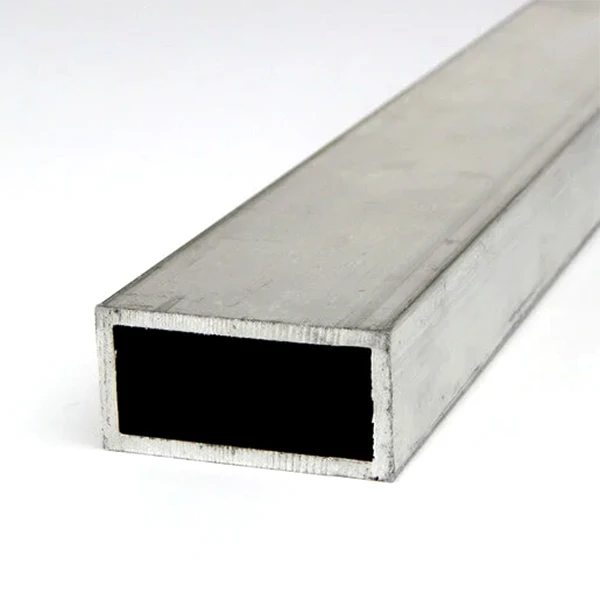
If you are interested in learning more about zirconium alloy or are looking for a reliable supplier of zirconium alloy products, please do not hesitate to contact us. We offer a wide range of zirconium alloy products, including Zirconium Round Rod, Zirconium Bar Hexagon, and Zirconium Alloy Rectangular Section Bar. Our team of experts can provide you with detailed information about our products and help you find the right solution for your specific needs.
References
- International Atomic Energy Agency (IAEA). "World Nuclear Power Reactors and Fuel Cycle - 2021 Edition."
- Aerospace Industries Association (AIA). "The Aerospace Industry's Impact on the U.S. Economy."
- American Chemical Society (ACS). "Chemical & Engineering News."
- Medical Device Manufacturers Association (MDMA). "Medical Device Industry Overview."
- Automotive Industry Action Group (AIAG). "Automotive Industry Trends and Outlook."