

What are the emerging applications of nickel alloy?
In the dynamic field of materials science, nickel alloys have long been recognized for their exceptional properties, including high strength, corrosion resistance, and heat resistance. These attributes have made them indispensable in a wide range of industries for decades. However, as technology advances and new challenges emerge, the applications of nickel alloys are expanding rapidly into exciting and innovative areas. As a leading supplier of high - quality nickel alloys, we are at the forefront of these emerging trends, witnessing firsthand how these materials are shaping the future of various sectors.
Aerospace and Aviation
The aerospace and aviation industries are constantly pushing the boundaries of performance and safety, and nickel alloys are playing a crucial role in this endeavor. In modern aircraft engines, nickel alloys are used in components such as turbine blades, combustion chambers, and exhaust systems. These parts are exposed to extreme temperatures, high pressures, and corrosive environments, and nickel alloys' high - temperature strength and oxidation resistance make them the material of choice.
For example, single - crystal nickel alloys are used in turbine blades, which can withstand temperatures up to 1100°C. These alloys are designed to have a specific crystal structure that provides superior mechanical properties, allowing the blades to operate efficiently under the most demanding conditions. As the aviation industry moves towards more fuel - efficient and environmentally friendly engines, the demand for advanced nickel alloys is expected to increase.
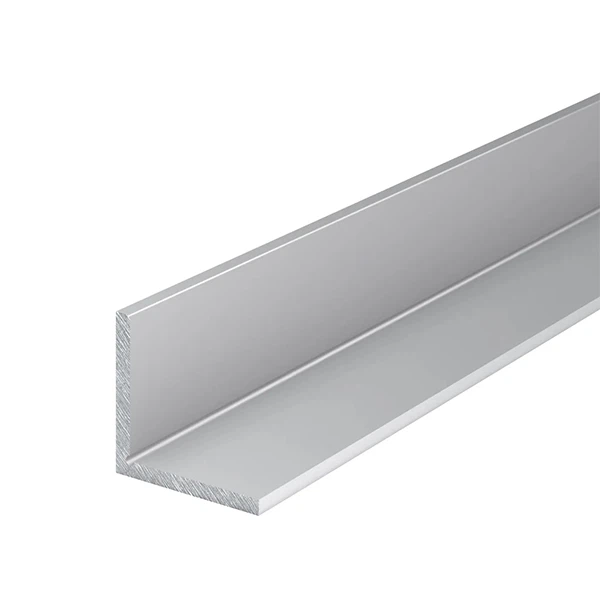
In addition to engine components, nickel alloys are also used in airframe structures. Their high strength - to - weight ratio makes them ideal for reducing the weight of the aircraft while maintaining structural integrity. This not only improves fuel efficiency but also enhances the overall performance of the aircraft. Our company offers a wide range of nickel alloy products suitable for aerospace applications, including the Nickel Alloy L - Type Profile, which can be used in structural reinforcements.
Energy Sector
The energy sector, including both traditional and renewable energy sources, is another area where nickel alloys are finding new applications.
Oil and Gas
In the oil and gas industry, nickel alloys are used in offshore platforms, pipelines, and refineries. These components are exposed to harsh environments, including saltwater, high - pressure fluids, and corrosive gases. Nickel alloys' excellent corrosion resistance and high strength make them suitable for long - term use in these conditions. For instance, duplex nickel alloys are used in subsea pipelines to resist stress corrosion cracking and pitting corrosion.
Renewable Energy
In the field of renewable energy, nickel alloys are playing an increasingly important role. In solar power generation, nickel alloys are used in the frames and support structures of solar panels. Their corrosion resistance ensures the durability of the panels, especially in harsh outdoor environments. Moreover, in wind turbines, nickel alloys are used in gearbox components and bearings. The high - strength and wear - resistant properties of these alloys contribute to the long - life and reliable operation of wind turbines. Our Nickel Alloy Wire can be used in various applications in the energy sector, such as electrical wiring in power generation facilities.
Medical Industry
The medical industry is a rapidly evolving field, and nickel alloys are making significant contributions to this area. Biocompatible nickel - titanium (NiTi) alloys, also known as shape - memory alloys, are widely used in medical devices. These alloys can return to their original shape after being deformed when heated, which makes them ideal for applications such as stents. Coronary stents made of NiTi alloys can be compressed for insertion into the blood vessels and then expand to their original shape once in place, providing support and improving blood flow.
Nickel alloys also have excellent corrosion resistance and mechanical properties, which are essential for medical implants. For example, nickel - chromium - molybdenum alloys are used in orthopedic implants, such as hip and knee replacements. These alloys can withstand the mechanical stresses in the human body and resist corrosion from bodily fluids. Our Pure Nickel Sheet can be further processed to meet the strict requirements of medical device manufacturing.
Electronics and Telecommunications
In the electronics and telecommunications industries, the demand for high - performance materials is constantly increasing. Nickel alloys are used in a variety of electronic components due to their electrical conductivity, magnetic properties, and corrosion resistance.
In electronic connectors, nickel alloys are used to ensure reliable electrical connections. Their corrosion resistance prevents the formation of oxide layers on the contact surfaces, which can degrade electrical performance. Additionally, in magnetic sensors and actuators, nickel - iron alloys are used because of their high magnetic permeability. These alloys can be easily magnetized and demagnetized, making them suitable for applications such as hard disk drives and magnetic switches.
Chemical Processing
The chemical processing industry requires materials that can withstand highly corrosive chemicals and extreme temperatures. Nickel alloys, such as Hastelloy and Inconel, are widely used in this industry. They are used in reactors, heat exchangers, and piping systems. These alloys have excellent resistance to a wide range of corrosive media, including acids, alkalis, and salt solutions. For example, in the production of fertilizers, which involves the use of strong acids and alkalis, nickel alloys are used to ensure the long - term operation of the production equipment.

Automotive Industry
The automotive industry is also starting to benefit from the use of nickel alloys. As the demand for electric vehicles (EVs) grows, nickel alloys are being used in battery technology. Nickel - rich lithium - ion batteries have higher energy density and longer cycle life, which are crucial for the performance of EVs. Nickel alloys are also used in engine components, exhaust systems, and transmission parts to improve their durability and performance under high - stress conditions.
Additive Manufacturing
Additive manufacturing, also known as 3D printing, is a revolutionary technology that is changing the way products are designed and manufactured. Nickel alloys are well - suited for additive manufacturing due to their high - strength and heat - resistant properties. 3D printing allows for the production of complex geometries that are difficult or impossible to achieve with traditional manufacturing methods. This technology is being used in industries such as aerospace, medical, and automotive to produce custom - made parts with optimal performance.
As a nickel alloy supplier, we understand the importance of these emerging applications. We are committed to providing high - quality nickel alloy products that meet the rigorous requirements of these industries. Our extensive range of products, including different shapes and compositions of nickel alloys, allows us to cater to the diverse needs of our customers.
Whether you are in the aerospace, energy, medical, electronics, chemical, automotive, or any other industry that requires advanced materials, we are here to assist you. If you are interested in exploring the potential of nickel alloys for your specific application, or if you have any questions about our products, please feel free to contact us. We look forward to the opportunity to discuss your requirements and work together to bring your projects to success.
References
- ASM Handbook Volume 2: Properties and Selection: Nonferrous Alloys and Special - Purpose Materials, ASM International
- Nickel and Nickel Alloys: ASM Specialty Handbook, ASM International
- "Advanced Materials in Aerospace Engineering" by John R. Nicholson
- "Medical Materials Science: Fundamentals and Clinical Applications" by Andreas Rosenkranz and Dieter Scharnweber
- "Materials for the Chemical Process Industries" by George E. Totten and David M. Jones