

What are the chemical stability properties of titanium products?
Hey there! As a supplier of titanium products, I often get asked about the chemical stability properties of titanium. It's a super interesting topic, and I'm excited to share some insights with you all.
First off, let's talk about what makes titanium so special when it comes to chemical stability. Titanium is known for its excellent corrosion resistance. This is mainly due to the thin, adherent, and protective oxide layer that forms on its surface when it's exposed to oxygen. This oxide layer acts as a barrier, preventing further oxidation and corrosion of the underlying titanium metal.
One of the key environments where titanium shows off its chemical stability is in aqueous solutions. In neutral and mildly acidic or alkaline solutions, titanium is extremely resistant to corrosion. For example, in seawater, which is a highly corrosive environment with a complex mixture of salts and other substances, titanium can last for a very long time without significant degradation. This makes it a top - choice material for marine applications, like shipbuilding, offshore oil and gas platforms, and desalination plants.
In the chemical industry, titanium is also widely used because of its ability to withstand the harsh conditions of many chemical processes. It can resist the attack of many acids, such as hydrochloric acid (HCl) and sulfuric acid (H₂SO₄), under certain conditions. However, it's important to note that the concentration and temperature of the acid play a crucial role. At low concentrations and moderate temperatures, titanium can have good resistance to these acids. But as the concentration and temperature increase, the corrosion rate may go up.
Another aspect of titanium's chemical stability is its behavior in the presence of oxidizing agents. Titanium has a high affinity for oxygen, and the oxide layer that forms on its surface is stable in oxidizing environments. This means that in environments where there are oxidizing substances like hydrogen peroxide (H₂O₂) or nitric acid (HNO₃), titanium can maintain its integrity.
When it comes to our titanium products, this chemical stability is a huge advantage. We offer a wide range of titanium products, and each one benefits from titanium's excellent chemical properties. For instance, our Tantalum Rod often works in tandem with titanium in some high - performance applications. The combination of these two metals can provide enhanced chemical resistance and mechanical properties in specific chemical environments.
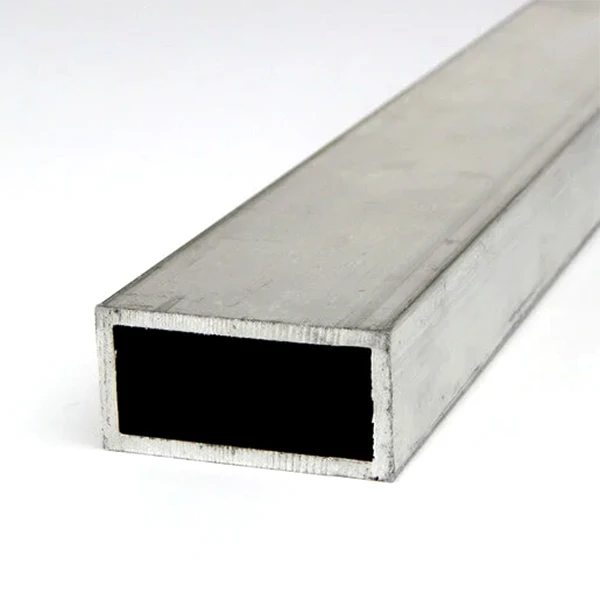
Our Zirconium Alloy Rectangular Section Bar also has its own unique properties, but when used in conjunction with titanium, it can create a more robust and chemically stable structure. These section bars are often used in industries where both mechanical strength and chemical stability are required, such as in the construction of chemical reactors.
One of our popular products is the Titanium Anode Plate For Disinfection Water Electrode. In water disinfection applications, the anode plate needs to be chemically stable to ensure long - term and efficient operation. The chemical stability of titanium makes it an ideal material for this purpose. It can resist the corrosive effects of the electrolytes in the water and the electrochemical reactions that occur during the disinfection process.
Now, let's take a closer look at how the chemical stability of titanium is affected by different factors. The purity of titanium is one important factor. Higher - purity titanium generally has better chemical stability because there are fewer impurities that could potentially react with the surrounding environment and cause corrosion.
The surface finish of titanium products also matters. A smooth and clean surface is more likely to form a uniform and protective oxide layer. Any scratches or rough areas on the surface can disrupt the formation of the oxide layer, making the titanium more susceptible to corrosion.
The presence of other elements in the titanium alloy can also change its chemical stability. Some alloying elements can enhance the corrosion resistance in specific environments. For example, adding a small amount of palladium (Pd) to titanium can improve its resistance to corrosion in reducing acids.
In high - temperature applications, the chemical stability of titanium can be more complex. At elevated temperatures, the oxide layer on titanium may start to break down or react with other substances in the environment. However, in some cases, special coatings or alloying can be used to maintain its chemical stability at high temperatures.
So, why should you choose our titanium products? Well, besides the excellent chemical stability, we also focus on quality control. We have strict manufacturing processes to ensure that each product meets the highest standards. Our team of experts is always available to provide technical support and advice on the best use of our titanium products in different applications.

If you're in the market for high - quality titanium products with outstanding chemical stability, we'd love to have a chat with you. Whether you're involved in the chemical industry, marine engineering, or any other field that requires corrosion - resistant materials, our products can meet your needs. Don't hesitate to reach out to us for a quote or to discuss your specific requirements. We're here to help you find the perfect titanium solution for your project.
In conclusion, the chemical stability of titanium is a remarkable property that makes it a valuable material in many industries. Our company is dedicated to providing top - notch titanium products that take full advantage of this property. So, if you're looking for reliable titanium products, give us a shout, and let's start a great business relationship!
References
-ASM Handbook Volume 2: Properties and Selection: Nonferrous Alloys and Special - Purpose Materials. ASM International.
-Corrosion of Metals: Principles, Testing, and Protection. Wiley - VCH.
-Titanium: A Technical Guide. ASM International.