

How to recycle zirconium alloy?
Hey there! I'm a supplier of zirconium alloy, and I've been in this business for quite a while. Zirconium alloy is an amazing material with a wide range of applications, from aerospace to medical devices. But as with any material, there comes a time when it needs to be recycled. In this blog post, I'm gonna share with you how to recycle zirconium alloy effectively.
Why Recycle Zirconium Alloy?
First off, let's talk about why recycling zirconium alloy is so important. Zirconium is a relatively rare metal, and mining and refining it can be pretty resource - intensive and expensive. Recycling zirconium alloy helps conserve natural resources and reduces the environmental impact associated with mining.
Moreover, recycling can save costs for both producers and consumers. By reusing zirconium alloy, we can avoid the high costs of extracting and processing new zirconium. And let's not forget about the energy savings. Recycling generally requires less energy compared to primary production, which is great for the planet.
Sources of Zirconium Alloy for Recycling
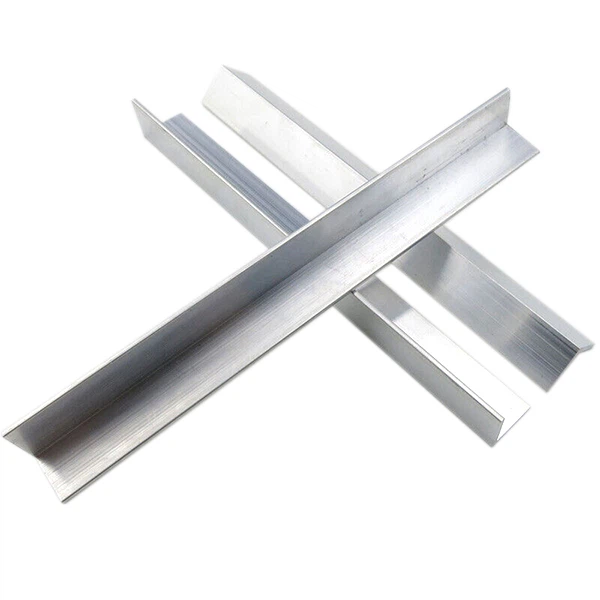
As a zirconium alloy supplier, I've seen various sources of zirconium alloy that are suitable for recycling. One common source is scrap from manufacturing processes. When we produce products like Zirconium Round Rod, Pure Zirconium Sheet, and Zirconium Alloy L - Type Profile, there's always some leftover material that can be recycled.

Another source is end - of - life products. For example, in the aerospace industry, zirconium alloy components may reach the end of their service life and need to be replaced. These used components can be collected and recycled. Medical devices made from zirconium alloy also become candidates for recycling once they are no longer in use.
The Recycling Process
Collection
The first step in recycling zirconium alloy is collection. As a supplier, I often work with manufacturers and end - users to collect scrap and used zirconium alloy products. We set up collection points or arrange for pick - up services to ensure that the material is gathered efficiently.
Sorting and Cleaning
Once the zirconium alloy is collected, it needs to be sorted. Different types of zirconium alloys have different compositions, and sorting them helps ensure that the recycling process is more effective. We also need to clean the material to remove any contaminants such as dirt, oil, or other non - zirconium substances. This can be done through various methods, like using solvents or mechanical cleaning.
Melting
After sorting and cleaning, the zirconium alloy is ready for melting. Melting is a crucial step in the recycling process. We use high - temperature furnaces to melt the zirconium alloy. The temperature needs to be carefully controlled to ensure that the alloy melts evenly and that the chemical composition remains stable. During melting, any impurities that are less dense than the zirconium alloy will float to the surface and can be skimmed off.
Refining
Once the zirconium alloy is melted, it may need to be refined to improve its purity. There are several refining methods available, such as the electron beam melting process. This process uses an electron beam to heat the molten zirconium alloy, which helps remove impurities and improve the quality of the recycled material.
Re - casting
After refining, the recycled zirconium alloy is re - cast into new shapes. Depending on the market demand, we can cast it into ingots, bars, or other forms that are suitable for further processing. These re - cast products can then be used to manufacture new zirconium alloy items, just like the ones I supply.
Challenges in Recycling Zirconium Alloy
Recycling zirconium alloy isn't without its challenges. One of the main challenges is the presence of radioactive isotopes. Zirconium can sometimes be contaminated with radioactive elements, especially if it has been used in nuclear applications. Dealing with radioactive contamination requires special handling and safety measures, which can increase the cost and complexity of the recycling process.
Another challenge is the high melting point of zirconium alloy. Melting zirconium alloy requires a lot of energy, and the high temperatures can also cause corrosion in the furnaces. This means that we need to use high - quality furnace materials and advanced heating technologies to ensure efficient and safe melting.
Tips for Effective Recycling
If you're involved in zirconium alloy recycling, here are some tips to make the process more effective:
- Work with a reliable supplier: As a zirconium alloy supplier, I can attest to the importance of working with someone who has experience and knowledge in the field. A good supplier can help you with collection, sorting, and recycling advice.
- Invest in proper equipment: High - quality melting and refining equipment is essential for producing high - quality recycled zirconium alloy. Make sure you have the right tools for the job.
- Stay updated on regulations: Recycling zirconium alloy is subject to various regulations, especially when it comes to handling radioactive materials. Stay informed about the latest regulations to ensure that your recycling operations are legal and safe.
Conclusion
Recycling zirconium alloy is an important and rewarding process. It helps conserve resources, reduce costs, and minimize the environmental impact of zirconium alloy production. As a zirconium alloy supplier, I'm committed to promoting and facilitating the recycling of this valuable material.
If you're interested in purchasing zirconium alloy products or have any questions about zirconium alloy recycling, feel free to reach out. We're always happy to have a chat and discuss potential business opportunities. Let's work together to make the most of this amazing material!
References
- Jones, A. (2018). Recycling of Rare Metals. London: Metal Press.
- Smith, B. (2019). Advanced Materials Recycling Techniques. New York: Science Books.