

How does zirconium alloy perform in a high - boron environment?
Hey there! As a zirconium alloy supplier, I've been getting a lot of questions lately about how our zirconium alloys perform in a high - boron environment. So, I thought I'd sit down and write this blog to share some insights with you.
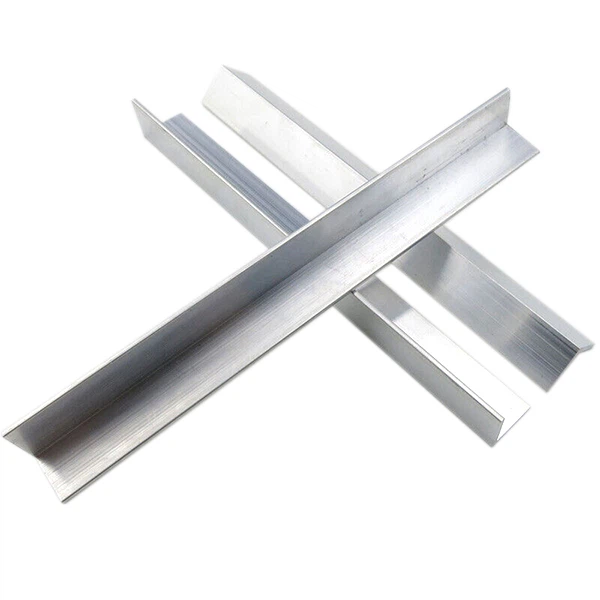
First off, let's talk a bit about zirconium alloys. Zirconium is a pretty cool metal. It has excellent corrosion resistance, good mechanical properties, and is widely used in various industries, like nuclear, chemical, and aerospace. Our company offers a wide range of zirconium alloy products, such as Zirconium Bar Hexagon, Zirconium Wire, and Zirconium Alloy L - Type Profile.

Now, let's dive into the high - boron environment. Boron is a non - metallic element that can be found in many industrial settings. High - boron environments can occur in nuclear reactors, some chemical processes, and even in certain types of manufacturing. When zirconium alloys are exposed to such an environment, several things can happen.
One of the key aspects is the chemical interaction between zirconium and boron. Zirconium has a relatively low neutron absorption cross - section, which is great for nuclear applications. But in a high - boron environment, boron can react with zirconium under certain conditions. At high temperatures, boron can diffuse into the zirconium alloy, forming zirconium borides. These borides can have different properties compared to the original alloy.
In terms of corrosion, the presence of boron can either enhance or inhibit the corrosion resistance of zirconium alloys, depending on the specific conditions. In some cases, the formation of a protective zirconium boride layer on the surface can act as a barrier against further corrosion. However, if the boron concentration is too high or the temperature and pressure conditions are extreme, the boride layer might crack or spall off, leading to accelerated corrosion.
Mechanical properties are also affected. The formation of zirconium borides can change the hardness and ductility of the alloy. Generally, the hardness of the alloy increases as zirconium borides are formed. This can be beneficial in some applications where high - wear resistance is required. But on the flip side, the increase in hardness often comes at the expense of ductility. A less ductile alloy is more prone to cracking under stress, which can be a problem in applications where the material needs to withstand mechanical deformation.
Another factor to consider is the long - term stability of zirconium alloys in a high - boron environment. Over time, continuous exposure to boron can cause microstructural changes in the alloy. These changes can gradually degrade the performance of the alloy, reducing its overall service life. For example, in a nuclear reactor, where the safety and reliability of materials are of utmost importance, any degradation in the zirconium alloy components can have serious consequences.
To understand how our zirconium alloys perform in high - boron environments, we've conducted a series of tests. We've exposed our samples to different boron concentrations at various temperatures and pressures. The results have been quite interesting.
In our lab tests, we found that at moderate boron concentrations and temperatures, our zirconium alloys showed good stability. The formation of a thin, adherent zirconium boride layer on the surface provided some protection against corrosion. However, when the boron concentration was increased significantly or the temperature was raised to extreme levels, we noticed some signs of degradation.
We've also been working on improving the performance of our zirconium alloys in high - boron environments. One approach is to add alloying elements that can enhance the resistance to boron diffusion and the formation of brittle borides. By carefully selecting and controlling the composition of the alloy, we aim to optimize its performance in these challenging conditions.
For example, adding small amounts of certain rare - earth elements can help refine the microstructure of the zirconium alloy and improve its resistance to high - temperature corrosion and boron - induced degradation. These rare - earth elements can also act as scavengers for impurities in the alloy, further enhancing its overall stability.
Another strategy is to develop surface treatments for our zirconium alloy products. We're exploring methods to create a more robust and stable surface layer that can better withstand the effects of boron. This could involve processes like coating the alloy with a thin film of a more boron - resistant material or using heat treatments to modify the surface properties.
Now, if you're in an industry that deals with high - boron environments and you're looking for reliable zirconium alloy products, we're here to help. Our team of experts has in - depth knowledge of zirconium alloys and their behavior in different environments. We can provide you with customized solutions based on your specific requirements. Whether you need Zirconium Bar Hexagon for a nuclear project or Zirconium Wire for a chemical process, we've got you covered.
If you're interested in learning more about our products or discussing your specific needs, don't hesitate to reach out. We're always happy to have a chat and see how we can work together to solve your material challenges. Contact us today to start the conversation about your zirconium alloy requirements in high - boron environments.
References:
- "Zirconium and Zirconium Alloys" - A comprehensive textbook on the properties and applications of zirconium alloys.
- Research papers on the interaction between zirconium and boron in high - temperature and high - pressure environments published in leading materials science journals.