

Can I use a titanium frying pan for deep - frying?
As a supplier of titanium frying pans, I often receive inquiries from customers about the various uses of our products. One of the most frequently asked questions is whether a titanium frying pan can be used for deep - frying. In this blog, I'll delve into the properties of titanium, the requirements of deep - frying, and determine if titanium frying pans are suitable for this cooking method.
Properties of Titanium
Titanium is a remarkable metal known for its unique set of properties. First and foremost, it is incredibly lightweight compared to other metals commonly used in cookware, such as cast iron or stainless steel. This makes titanium frying pans easy to handle, especially during long cooking sessions or when you need to move the pan around the stovetop.
In addition to its lightness, titanium is highly resistant to corrosion. It forms a protective oxide layer on its surface when exposed to oxygen, which prevents rust and other forms of corrosion. This means that titanium frying pans can last a long time, even with regular use and cleaning.
Another important property of titanium is its high strength - to - weight ratio. It is strong enough to withstand the rigors of cooking, including high heat and mechanical stress. However, titanium has relatively low thermal conductivity compared to metals like copper or aluminum. This means that it may not heat up as quickly or distribute heat as evenly as some other materials.
Requirements of Deep - Frying
Deep - frying is a cooking method that involves submerging food in hot oil at a high temperature, typically between 350°F and 375°F (177°C and 191°C). To achieve successful deep - frying, several factors need to be considered.
Heat Resistance
The frying pan must be able to withstand high temperatures without warping or degrading. If the pan cannot handle the heat, it may become damaged, which can affect the quality of the fried food and even pose a safety risk.
Heat Distribution
Even heat distribution is crucial in deep - frying. Uneven heat can cause some parts of the food to be overcooked while others remain undercooked. A pan with good heat distribution will ensure that the food is cooked evenly throughout.
Capacity
The pan should have enough capacity to hold an adequate amount of oil and the food being fried. A too - small pan may not allow the food to cook properly, and the oil may overheat quickly.
Oil Compatibility
The pan should be compatible with the type of oil used for deep - frying. Some materials may react with certain oils, which can affect the taste and quality of the food.
Using Titanium Frying Pans for Deep - Frying
Advantages
- Lightweight and Durable: As mentioned earlier, titanium frying pans are lightweight, making them easy to handle during the deep - frying process. Their high strength - to - weight ratio also means that they can withstand the high temperatures and mechanical stress associated with deep - frying without easily breaking or warping.
- Corrosion Resistance: The corrosion - resistant nature of titanium ensures that the pan will not rust or corrode when in contact with oil and moisture, which is common during deep - frying. This helps to maintain the quality of the pan over time.
Disadvantages
- Low Thermal Conductivity: The relatively low thermal conductivity of titanium can be a drawback in deep - frying. It may take longer for the pan to heat up to the desired temperature, and the heat may not be distributed as evenly as in pans made of more thermally conductive materials. This can result in unevenly cooked food, with some parts being overcooked and others undercooked.
- Cost: Titanium frying pans are generally more expensive than pans made of other materials. This may be a deterrent for some consumers, especially those on a tight budget.
Mitigating the Disadvantages
Although titanium frying pans have some limitations for deep - frying, there are ways to mitigate these issues.
Pre - heating
To overcome the problem of slow heating, it is recommended to pre - heat the pan for a longer period. This will allow the pan to reach the desired temperature more evenly. You can start by heating the pan on a medium - high heat for a few minutes before adding the oil.

Using a Thermometer
To ensure that the oil is at the correct temperature, it is advisable to use a cooking thermometer. This will help you to maintain the optimal temperature for deep - frying, which is crucial for achieving evenly cooked food.
Choosing the Right Size
Selecting a titanium frying pan with an appropriate size is important. A larger pan will have more surface area, which can help to distribute the heat more evenly. It will also allow you to fry more food at once without overcrowding the pan.
Other Titanium Products
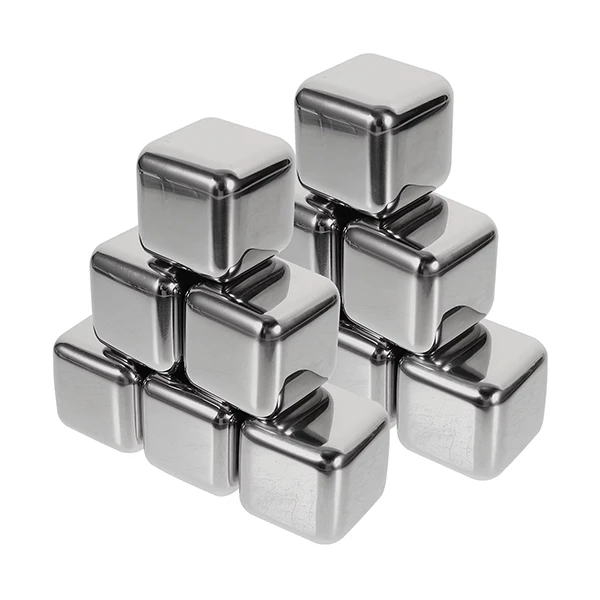
If you are interested in other titanium products, we also offer Titanium Whiskey Stones, Titanium Camping Pan, and Titanium Coffee Cup. These products also benefit from the unique properties of titanium, such as lightweight, durability, and corrosion resistance.
Conclusion
In conclusion, while titanium frying pans can be used for deep - frying, they have both advantages and disadvantages. Their lightweight and durable nature make them a good option in terms of handling and long - term use. However, their low thermal conductivity can pose challenges in achieving evenly cooked food. By taking appropriate measures, such as pre - heating the pan and using a thermometer, these issues can be mitigated.
If you are considering purchasing a titanium frying pan for deep - frying or any other cooking method, I encourage you to contact us for further information and to discuss your specific needs. We are happy to assist you in finding the right product for your kitchen.
References
- "Cookware Materials and Their Properties" - A comprehensive guide on the properties of different cookware materials.
- "Deep - Frying Basics" - An article that outlines the key requirements for successful deep - frying.
- "Titanium in Cookware: Benefits and Limitations" - A research paper on the use of titanium in cookware.