

What is the strength - to - weight ratio of titanium alloy?
Hey there! As a titanium alloy supplier, I often get asked about the strength - to - weight ratio of titanium alloy. It's a pretty hot topic, especially in industries where lightweight yet strong materials are a must. So, let's dig into what this ratio means and why it makes titanium alloy such a star player in the material world.
First off, what exactly is the strength - to - weight ratio? Well, it's a measure of how much strength a material can provide relative to its weight. You can think of it as a bang - for - your - buck kind of thing. A high strength - to - weight ratio means you're getting a whole lot of strength without adding a ton of extra weight. This is super important in fields like aerospace, automotive, and sports equipment manufacturing, where every extra pound can be a big deal.
Now, let's talk about titanium alloy. Titanium is a unique metal on its own, but when you mix it with other elements to form an alloy, you get something truly special. Titanium alloy has an incredibly high strength - to - weight ratio. In fact, it's one of the highest among commonly used metals.
One of the main reasons for this high ratio is titanium's inherent properties. Titanium has a relatively low density compared to metals like steel. But don't let its lightness fool you. It's incredibly strong. Titanium alloy can withstand high levels of stress and strain without deforming or breaking easily. This combination of low density and high strength gives it that amazing strength - to - weight ratio.
In the aerospace industry, this high ratio is a game - changer. Planes need to be as light as possible to reduce fuel consumption and increase efficiency. At the same time, they need to be strong enough to handle the extreme forces during flight. Titanium alloy fits the bill perfectly. It's used in everything from aircraft frames to engine components. For example, the fan blades in jet engines are often made from titanium alloy. These blades need to be strong enough to withstand the high - speed rotation and the forces exerted by the air, while also being lightweight to keep the overall weight of the engine down.
The automotive industry also benefits greatly from titanium alloy's high strength - to - weight ratio. Car manufacturers are constantly looking for ways to make vehicles lighter without sacrificing safety and performance. Titanium alloy can be used in parts like exhaust systems, suspension components, and even engine parts. By using titanium alloy in these areas, cars can become more fuel - efficient and have better handling.
Sports equipment is another area where titanium alloy shines. Bicycles made with titanium alloy frames are lighter and more durable than those made with other materials. This allows cyclists to ride faster and with less effort. Golf clubs with titanium alloy heads can provide more power and accuracy, giving players an edge on the course.
At our company, we offer a wide range of titanium alloy products. For example, we have the Titanium Alloy L - Type Section Bar. This type of section bar is commonly used in construction and engineering projects where you need a strong and lightweight material. Its unique L - shape provides excellent structural support while keeping the weight down.
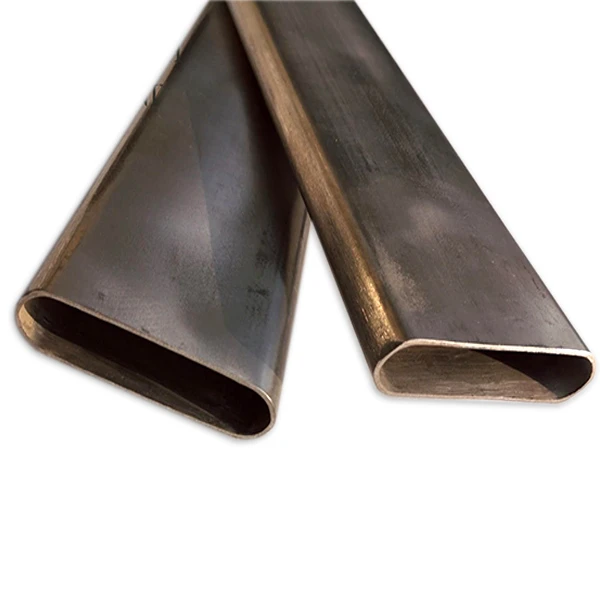
We also have the Titanium Flat Tube. These tubes are great for applications where you need to transport fluids or gases. The high strength - to - weight ratio of the titanium alloy ensures that the tubes can withstand the pressure without being too heavy.
And then there's the Titanium Alloy Rectangular Section Bar. This section bar is versatile and can be used in a variety of industries, from manufacturing to architecture. Its rectangular shape makes it easy to work with and provides good stability.

If you're in the market for high - quality titanium alloy products, we're here to help. Whether you're an aerospace engineer looking for the perfect material for your next project, a car manufacturer trying to improve your vehicle's performance, or a sports equipment maker wanting to create the next big thing, we've got the titanium alloy products you need.
Our team of experts can work with you to understand your specific requirements and recommend the best titanium alloy solution. We have strict quality control measures in place to ensure that all our products meet the highest standards.
So, if you're interested in learning more about our titanium alloy products or want to start a procurement discussion, don't hesitate to reach out. We're always happy to talk about how our titanium alloy can benefit your business and projects.
In conclusion, the strength - to - weight ratio of titanium alloy is what makes it such a valuable material in so many industries. Its combination of low density and high strength provides a unique advantage that other materials can't easily match. Whether you're in aerospace, automotive, sports, or any other field that requires a strong and lightweight material, titanium alloy is definitely worth considering.
References
- ASM Handbook Committee. (2000). ASM Handbook, Volume 2: Properties and Selection: Nonferrous Alloys and Special - Purpose Materials. ASM International.
- Boyer, R. R., Welsch, G., & Collings, E. W. (1994). Materials Properties Handbook: Titanium Alloys. ASM International.