

What is the fatigue resistance of zirconium alloy?
Hey there! As a zirconium alloy supplier, I've gotten tons of questions about zirconium alloy, and one that pops up a lot is, "What is the fatigue resistance of zirconium alloy?" Well, let's dig into it!
First off, fatigue resistance is super important. It refers to a material's ability to withstand repeated loading and unloading without failing. In simpler terms, if you keep bending, stretching, or pushing on a material again and again, how long can it hold up before it breaks? This is crucial in many applications, especially those where the material is subjected to cyclic stresses.
Zirconium alloy is pretty amazing when it comes to fatigue resistance. It has a unique combination of properties that make it stand out. One of the key factors is its microstructure. Zirconium alloys typically have a fine - grained structure. These small grains act like little barriers to the propagation of cracks. When a crack tries to spread through the material, it has to navigate around these tiny grains, which slows down the crack growth and gives the alloy better fatigue life.
Another aspect is its corrosion resistance. Zirconium alloy forms a stable oxide layer on its surface, which protects it from the environment. In applications where the material is exposed to corrosive substances along with cyclic loading, this corrosion - resistant property is a game - changer. Corrosion can weaken a material and accelerate crack growth, but the oxide layer on zirconium alloy acts as a shield, preserving the material's integrity and thus enhancing its fatigue resistance.
Let's talk about some real - world applications. In the aerospace industry, components made from zirconium alloy need to withstand a lot of stress during flight. The wings, for example, experience repeated forces as the plane takes off, flies, and lands. Zirconium alloy's high fatigue resistance ensures that these components can last for a long time without failing, which is essential for the safety of the aircraft.
In the nuclear industry, zirconium alloy is widely used in fuel cladding. The fuel rods are constantly exposed to high - energy radiation, temperature changes, and mechanical vibrations. The excellent fatigue resistance of zirconium alloy allows the fuel cladding to maintain its integrity over long periods, preventing the release of radioactive materials.
Now, if you're in the market for zirconium alloy products, we've got a great range to offer. We have Zirconium Foil, which is perfect for applications where a thin, flexible sheet of zirconium alloy is needed. It still retains the high fatigue resistance properties of the alloy, making it suitable for use in various electronic and aerospace components.
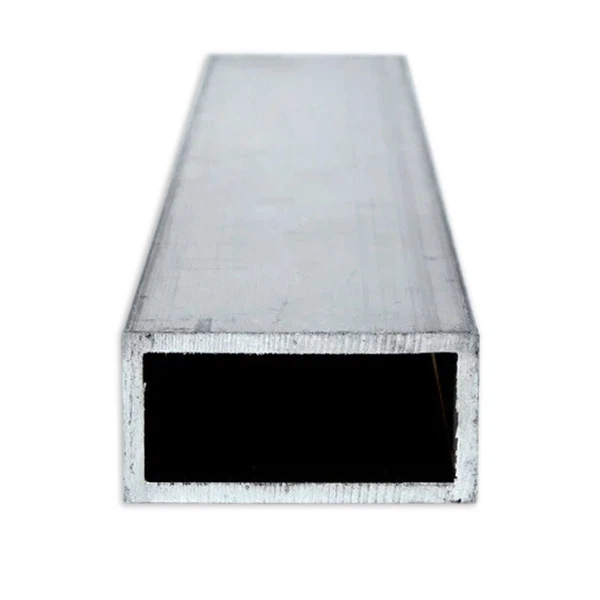
Our Zirconium Alloy Rectangular Section Bar is ideal for structural applications. Its rectangular shape provides good stability, and the high fatigue resistance ensures that it can handle the stresses in construction and machinery.
And for those who need a tube, our High Purity Zirconium Tube is a top - notch choice. Whether it's for transporting fluids or as part of a mechanical system, the tube's fatigue - resistant nature means it can perform reliably over time.

The fatigue resistance of zirconium alloy also depends on the manufacturing process. Proper heat treatment can significantly improve its fatigue properties. By carefully controlling the heating and cooling rates, we can optimize the microstructure of the alloy, making the grains more uniform and strengthening the material's resistance to cyclic loading.
Surface finishing also plays a role. A smooth surface finish can reduce stress concentrations, which are areas where the stress is higher than average and can initiate cracks. We take extra care in the surface finishing of our zirconium alloy products to ensure that they have the best possible fatigue resistance.
When it comes to comparing zirconium alloy with other materials, it really holds its own. For example, compared to some steels, zirconium alloy has better corrosion resistance and often comparable or even better fatigue resistance, especially in corrosive environments. This makes it a more cost - effective and long - lasting option in many cases.
In the automotive industry, zirconium alloy can be used in engine components. The engine experiences a lot of vibrations and cyclic forces during operation. Using zirconium alloy in parts like connecting rods or valves can improve the engine's performance and durability. The high fatigue resistance means that these components are less likely to fail, reducing maintenance costs and downtime.
We're always looking to improve the fatigue resistance of our zirconium alloy products. We invest in research and development to explore new manufacturing techniques and alloy compositions. By working with the latest technologies and materials science knowledge, we aim to provide our customers with the best - quality zirconium alloy products on the market.
If you're interested in learning more about our zirconium alloy products or have specific requirements for your project, don't hesitate to reach out. We're here to help you find the right solution for your needs. Whether you need a small quantity for a research project or a large order for industrial production, we've got you covered.
In conclusion, the fatigue resistance of zirconium alloy is a remarkable property that makes it suitable for a wide range of applications. Its unique combination of microstructure, corrosion resistance, and the ability to be optimized through manufacturing processes gives it an edge over many other materials. We're proud to be a supplier of high - quality zirconium alloy products, and we're committed to providing you with the best in terms of performance and reliability. If you're in the market for zirconium alloy products, get in touch with us, and let's start a conversation about how we can meet your needs.
References
- "Materials Science and Engineering: An Introduction" by William D. Callister Jr. and David G. Rethwisch
- Research papers on zirconium alloy fatigue resistance from leading materials science journals