

What is the difference between a round - bottom and flat - bottom titanium wok?
Hey there! As a titanium wok supplier, I've had my fair share of customers asking about the differences between round - bottom and flat - bottom titanium woks. So, I thought I'd break it down for you all in this blog post.
Design and Structure
Let's start with the obvious difference: the shape. A round - bottom titanium wok has a curved base that tapers down to a point. This design is deeply rooted in traditional Asian cooking, especially in stir - frying. The curvature allows for a natural flow of heat and ingredients. When you're stir - frying, the ingredients can easily slide from the edges towards the center where the heat is most intense.
On the other hand, a flat - bottom titanium wok has a flat base. This shape is more in line with Western cooking styles and modern stovetops. It sits flat on electric or induction cooktops, providing stable contact with the heat source. Unlike the round - bottom wok, which often requires a special wok ring on a flat stovetop, the flat - bottom wok can be used directly on most cooktops without any additional accessories.
Heat Distribution
Heat distribution is a crucial factor when it comes to cooking. In a round - bottom titanium wok, the heat is concentrated at the center. This is great for high - heat cooking methods like stir - frying. The intense heat at the center quickly sears the food, locking in the flavors and nutrients. As the ingredients move towards the edges, the temperature gradually decreases, allowing for a more gentle cooking process.
However, this concentrated heat can also be a drawback. If you're not careful, the food at the center can burn easily, especially if you're not constantly stirring.
A flat - bottom titanium wok, on the other hand, offers more even heat distribution across the entire cooking surface. Since the base is flat and in full contact with the stovetop, the heat spreads evenly. This is ideal for cooking larger quantities of food or for recipes that require slow and steady cooking, such as simmering or stewing. You don't have to worry as much about the food burning at the center, but it might take a bit longer to achieve that high - heat sear that round - bottom woks are known for.

Cooking Techniques
The shape of the wok also influences the cooking techniques you can use. Round - bottom titanium woks are perfect for classic stir - frying. The curved shape allows you to use a tossing and flipping motion, which is essential for evenly cooking the ingredients. You can quickly move the food around the wok, ensuring that each piece gets a chance to be in contact with the hot center. This results in a well - cooked dish with a nice balance of textures and flavors.
In addition to stir - frying, round - bottom woks are also great for deep - frying. The shape allows for easy immersion of the food in the oil and makes it easier to remove the cooked food without splashing.
Flat - bottom titanium woks are more versatile in terms of cooking techniques. You can use them for stir - frying, but the flat surface requires a different approach. Instead of tossing and flipping, you'll be more likely to use a pushing and pulling motion. They're also excellent for sautéing, frying eggs, making pancakes, and even baking in some cases. The flat base provides a stable surface for these types of cooking, making them a great all - around option for home cooks.
Compatibility with Stovetops
As mentioned earlier, the compatibility with stovetops is a significant difference between the two types of woks. Round - bottom titanium woks are best suited for gas stoves. The open flame can easily reach the curved base, providing the intense heat needed for stir - frying. However, if you have an electric or induction stovetop, you'll need a wok ring to use a round - bottom wok. The wok ring elevates the wok and allows the heat to reach the base evenly.
Flat - bottom titanium woks, on the other hand, are highly compatible with all types of stovetops, including electric, induction, and gas. They can be used directly on these cooktops without any additional equipment, making them a convenient choice for modern kitchens.
Cleaning and Maintenance
When it comes to cleaning and maintenance, both round - bottom and flat - bottom titanium woks are relatively easy to take care of. Titanium is a durable and non - reactive metal, which means it won't rust or corrode easily.
Round - bottom woks can be a bit trickier to clean due to their curved shape. You might need a long - handled brush to reach all the corners and crevices. However, the smooth surface of titanium makes it easy to remove any food residue.
Flat - bottom woks are generally easier to clean since the flat surface is more accessible. You can use a regular sponge or dishcloth to clean the inside and outside of the wok. Just make sure to dry it thoroughly after washing to prevent any water spots.
Additional Titanium Products
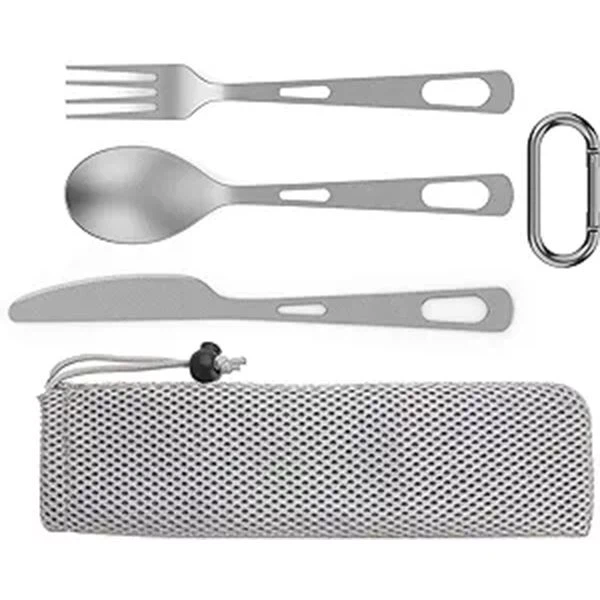
If you're into titanium products, we also offer some cool accessories. Check out our Titanium Alloy Dice Toy, which is not only a fun toy but also a great addition to your collection. And for those who love camping, our Camping Set Cutlery is lightweight and durable. Also, don't miss our Titanium Vacuum Bottle, which can keep your drinks hot or cold for hours.
Conclusion
So, which one should you choose, a round - bottom or a flat - bottom titanium wok? Well, it depends on your cooking style, the type of stovetop you have, and your personal preferences. If you're a fan of traditional Asian stir - frying and have a gas stove, a round - bottom wok might be the way to go. On the other hand, if you're looking for a more versatile wok that can be used on all types of stovetops and for a variety of cooking techniques, a flat - bottom wok is a great choice.
If you're interested in purchasing our titanium woks or any of our other products, feel free to reach out to us for a procurement negotiation. We're always happy to help you find the perfect cooking equipment for your needs.
References
- Personal experience as a titanium wok supplier.
- General knowledge of cooking techniques and cookware materials.