

What are the phase transformation characteristics of zirconium alloy?
Hey there! As a zirconium alloy supplier, I've been diving deep into the world of zirconium alloys for years. One of the most fascinating aspects of these alloys is their phase transformation characteristics. In this blog, I'm gonna share with you what I've learned about these unique properties.
What is Phase Transformation?
Before we jump into the specifics of zirconium alloys, let's quickly go over what phase transformation is. In simple terms, phase transformation is when a material changes from one phase to another. Phases can be thought of as different states of matter or different arrangements of atoms within a material. For metals and alloys like zirconium, common phases include the alpha (α) phase and the beta (β) phase.
Zirconium Alloy Basics
Zirconium alloys are super important in a bunch of industries, especially in nuclear power plants. They're used because they have excellent corrosion resistance, low neutron absorption cross - section, and good mechanical properties. But to really understand how they work and how to use them effectively, we need to know about their phase transformation characteristics.
Alpha and Beta Phases in Zirconium Alloys
Zirconium has two main allotropic forms: the alpha (α) phase and the beta (β) phase. The α phase is a hexagonal close - packed (HCP) structure, and it's stable at lower temperatures. The β phase, on the other hand, has a body - centered cubic (BCC) structure and is stable at higher temperatures.
The temperature at which the transformation from the α phase to the β phase occurs is called the beta transus temperature. For pure zirconium, this temperature is around 862°C. But when we add alloying elements like tin, niobium, or iron, this temperature can change.
Effects of Alloying Elements on Phase Transformation
Alloying elements play a huge role in the phase transformation of zirconium alloys. For example, tin is a common alloying element in zirconium alloys. It's an alpha - stabilizer, which means it lowers the beta transus temperature and makes the α phase more stable at higher temperatures. This is useful because it can improve the mechanical properties of the alloy at room temperature.

Niobium, on the other hand, is a beta - stabilizer. It raises the amount of the β phase in the alloy at lower temperatures. Niobium - containing zirconium alloys are known for their excellent corrosion resistance, especially in high - temperature and high - pressure environments like those found in nuclear reactors.
Iron is another important alloying element. It can form intermetallic compounds with zirconium, which can affect the phase transformation kinetics. These compounds can also improve the strength and hardness of the alloy.
Phase Transformation Kinetics
The rate at which the phase transformation occurs is also a crucial factor. The kinetics of phase transformation in zirconium alloys depend on several factors, including temperature, alloy composition, and the presence of defects in the crystal structure.
At higher temperatures, the atoms in the alloy have more energy, so they can move around more easily. This means that the phase transformation can occur more quickly. However, if the alloy is cooled too rapidly, the transformation may not be able to complete, and a metastable phase may form.
Applications and the Importance of Phase Transformation
Understanding the phase transformation characteristics of zirconium alloys is essential for their applications. In nuclear power plants, for example, zirconium alloy cladding is used to encapsulate nuclear fuel rods. The phase transformation properties of the alloy need to be carefully controlled to ensure that the cladding maintains its integrity under the harsh conditions inside the reactor, including high temperatures, radiation, and corrosion.
In the chemical industry, zirconium alloys are used in equipment that comes into contact with corrosive chemicals. By controlling the phase transformation, we can optimize the alloy's corrosion resistance and mechanical properties, making it more suitable for these demanding applications.
Our Zirconium Alloy Products
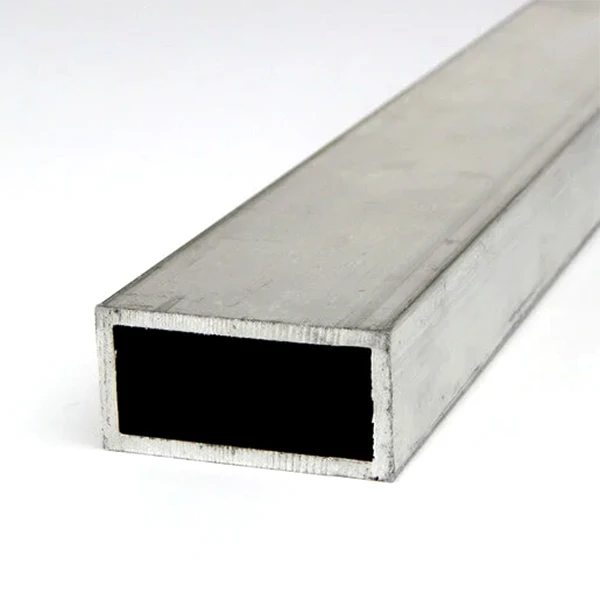
As a zirconium alloy supplier, we offer a wide range of products. We have Zirconium Alloy Rectangular Section Bar, which is great for structural applications where high strength and corrosion resistance are required. Our Zirconium Alloy L - Type Profile is also very popular. It can be used in various construction and manufacturing projects. And if you need something thinner, our Zirconium Foil is a great option. It's used in applications where a thin, corrosion - resistant material is needed.
Contact Us for Procurement
If you're interested in our zirconium alloy products or have any questions about their phase transformation characteristics, don't hesitate to get in touch. We're here to help you find the right zirconium alloy for your specific needs. Whether you're in the nuclear, chemical, or any other industry that requires high - performance materials, we can provide you with top - quality zirconium alloys.
References
- "Zirconium and Zirconium Alloys" by ASM International
- "Phase Transformations in Metals and Alloys" by David A. Porter and Kenneth E. Easterling
So, that's a wrap on the phase transformation characteristics of zirconium alloys. I hope this blog has given you a better understanding of these amazing materials. If you have any more questions, feel free to reach out!