

What are the creep properties of zirconium alloy?
Hey there! As a supplier of zirconium alloy, I often get asked about the creep properties of this amazing material. So, I thought I'd take a few minutes to break it down for you.
First off, let's talk about what creep is. Creep is the slow, continuous deformation of a material under a constant load over time. It's like when you lean on a fence for a long time, and it starts to bend a little bit. That's creep in action! In the world of materials science, creep can be a big deal, especially in applications where a material needs to maintain its shape and integrity over a long period of time.
Now, let's get into the creep properties of zirconium alloy. Zirconium alloy is known for its excellent creep resistance, which makes it a popular choice in a variety of high - stress and high - temperature applications.
One of the key factors that contribute to zirconium alloy's good creep properties is its crystal structure. Zirconium has a hexagonal close - packed (HCP) crystal structure at room temperature, which can transform to a body - centered cubic (BCC) structure at higher temperatures. This phase transformation can affect the creep behavior of the alloy. The HCP structure generally provides good strength and resistance to deformation at lower temperatures, while the BCC structure can offer more ductility at higher temperatures.
The composition of the zirconium alloy also plays a crucial role in its creep properties. Different alloying elements are added to zirconium to enhance its performance. For example, adding small amounts of tin, iron, chromium, and nickel can improve the creep resistance of the alloy. These alloying elements can form solid solutions or precipitates within the zirconium matrix, which can impede the movement of dislocations (defects in the crystal structure) and thus reduce the rate of creep deformation.
Another important aspect is the grain size of the zirconium alloy. Generally, a finer grain size can lead to better creep resistance at lower temperatures. This is because the grain boundaries act as barriers to the movement of dislocations. However, at higher temperatures, a coarser grain size may be more beneficial as it can reduce the amount of grain boundary sliding, which is one of the mechanisms of creep deformation.
Let's take a look at some real - world applications where the creep properties of zirconium alloy are put to the test. One of the most well - known applications is in the nuclear industry. Zirconium alloys are used to make fuel cladding in nuclear reactors. In a nuclear reactor, the fuel rods are exposed to high temperatures and radiation for long periods of time. The good creep resistance of zirconium alloy ensures that the fuel cladding can maintain its integrity and prevent the release of radioactive materials.
In the aerospace industry, zirconium alloy can be used in components that are exposed to high - temperature and high - stress conditions, such as engine parts. The ability of the alloy to resist creep deformation is essential to ensure the safety and reliability of these components.
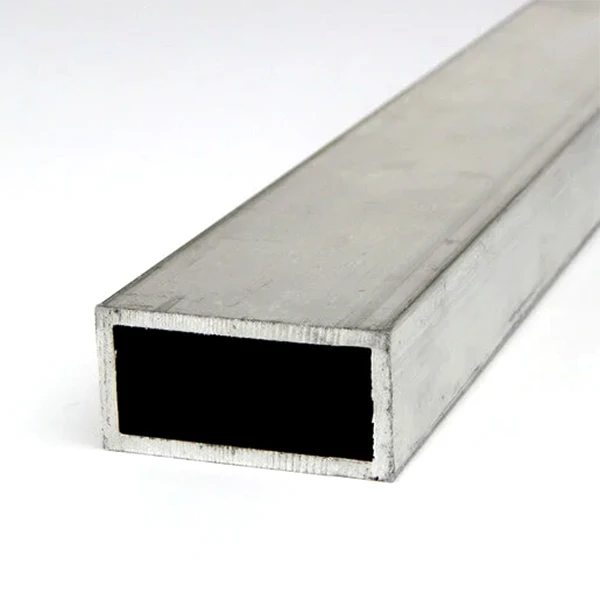
If you're in the market for zirconium alloy products, we offer a wide range of options. For instance, we have the Zirconium Alloy Rectangular Section Bar. This bar is made from high - quality zirconium alloy and is suitable for various industrial applications where good creep resistance and mechanical strength are required.
We also have Pure Zirconium Sheet. This sheet can be used in applications where the purity of zirconium is important, and its creep properties can still meet the requirements of many projects.
And for those who need tubular products, our High Purity Zirconium Tube is a great choice. It's designed to withstand high - temperature and high - pressure conditions with excellent creep resistance.
When it comes to the creep behavior of zirconium alloy under different loading conditions, it's important to note that the type of load (tensile, compressive, or shear) can affect the creep rate. Tensile creep is often the most studied type, as it is relevant in many engineering applications. In a tensile creep test, a specimen is subjected to a constant tensile load at a specific temperature, and the change in length over time is measured.

The stress level also has a significant impact on the creep properties. Higher stress levels generally lead to a faster rate of creep deformation. There is a relationship between the stress, temperature, and creep rate, which can be described by empirical equations such as the Norton's power law. According to Norton's power law, the creep rate is proportional to the stress raised to a certain power.
The temperature is probably the most critical factor affecting the creep properties of zirconium alloy. As the temperature increases, the rate of creep deformation increases significantly. This is because higher temperatures provide more thermal energy for the atoms to move, which facilitates the movement of dislocations and other deformation mechanisms.
The heat treatment of the zirconium alloy can also modify its creep properties. Annealing, for example, can relieve internal stresses in the alloy and change its microstructure, which in turn can affect the creep behavior. Different annealing temperatures and times can lead to different grain sizes, precipitate distributions, and phase compositions, all of which can have an impact on the creep resistance.
In conclusion, the creep properties of zirconium alloy are a complex interplay of its crystal structure, composition, grain size, loading conditions, temperature, and heat treatment. Its excellent creep resistance makes it a valuable material in many high - tech industries.
If you're interested in learning more about our zirconium alloy products or have any questions regarding their creep properties, feel free to reach out to us. We're here to help you find the perfect zirconium alloy solution for your project. Whether you need a small quantity for research purposes or a large order for industrial production, we've got you covered.
References:
- "Zirconium and Zirconium Alloys" by R. E. Pawel
- "Creep of Engineering Materials" by B. Wilshire and R. W. Conway