

What are the components of zirconium alloy?
Zirconium alloys are a class of materials with remarkable properties that make them indispensable in various industries. As a leading zirconium alloy supplier, I am often asked about the components of zirconium alloys. In this blog post, I will delve into the key elements that make up these alloys, their roles, and how they contribute to the overall performance of the materials.
Primary Component: Zirconium
Zirconium (Zr) is the base metal of zirconium alloys, typically accounting for a significant portion of the alloy composition. It is a lustrous, grayish - white metal known for its excellent corrosion resistance, especially in environments containing acids, alkalis, and seawater. Zirconium has a relatively low neutron absorption cross - section, which makes it an ideal material for nuclear applications.
In nuclear reactors, zirconium alloys are used as cladding materials for fuel rods. The zirconium cladding protects the nuclear fuel from the coolant and prevents the release of radioactive materials. Its corrosion resistance ensures the long - term integrity of the fuel rods under high - temperature and high - pressure conditions.
Alloying Elements
Tin (Sn)
Tin is one of the most common alloying elements in zirconium alloys. It is added in small amounts, usually between 1.2% and 1.7%. Tin enhances the strength and corrosion resistance of zirconium alloys. It forms a solid solution with zirconium, which helps to improve the mechanical properties of the alloy.
In the nuclear industry, zirconium - tin alloys are widely used due to their good combination of strength and corrosion resistance. The addition of tin also improves the creep resistance of the alloy, which is crucial for long - term performance in high - temperature and high - stress environments.
Iron (Fe)
Iron is another important alloying element in zirconium alloys. It is typically added in amounts ranging from 0.18% to 0.4%. Iron forms intermetallic compounds with zirconium, which can improve the strength and hardness of the alloy.

These intermetallic compounds also play a role in enhancing the corrosion resistance of the alloy. They can act as barriers to the diffusion of corrosive species, thus protecting the zirconium matrix from corrosion. In addition, iron can improve the weldability of zirconium alloys, which is important for manufacturing processes.
Chromium (Cr)
Chromium is often added to zirconium alloys in small amounts, usually around 0.1% to 0.2%. It helps to improve the corrosion resistance of the alloy, especially in oxidizing environments. Chromium forms a passive oxide layer on the surface of the alloy, which acts as a protective barrier against corrosion.
This passive layer is stable and adherent, preventing further oxidation and corrosion of the underlying metal. In nuclear applications, the addition of chromium can enhance the resistance of zirconium alloys to water corrosion, which is essential for the safety and reliability of nuclear reactors.
Nickel (Ni)
Nickel may be added to zirconium alloys in trace amounts. It can improve the corrosion resistance of the alloy in certain environments, such as those containing chloride ions. Nickel can also enhance the ductility of the alloy, making it easier to form and shape during manufacturing processes.
However, the addition of nickel needs to be carefully controlled, as excessive amounts can lead to the formation of brittle intermetallic phases, which may reduce the mechanical properties of the alloy.
Minor Elements and Impurities
In addition to the main alloying elements, zirconium alloys may also contain minor elements and impurities. These elements can have both positive and negative effects on the properties of the alloy.
Oxygen (O)
Oxygen is an impurity that is present in zirconium alloys. It can be dissolved in the zirconium matrix or form oxide inclusions. A small amount of oxygen can improve the strength of the alloy by solid - solution strengthening. However, excessive oxygen can lead to embrittlement of the alloy, reducing its ductility and toughness.
Carbon (C)
Carbon is another impurity that can be found in zirconium alloys. It can form carbide particles, which can affect the mechanical properties of the alloy. In some cases, carbides can improve the strength and hardness of the alloy. However, if the carbide particles are too large or too numerous, they can act as stress concentrators, leading to reduced ductility and fracture toughness.
Applications of Zirconium Alloys
The unique combination of properties of zirconium alloys makes them suitable for a wide range of applications.
Nuclear Industry
As mentioned earlier, zirconium alloys are extensively used in the nuclear industry. High Purity Zirconium Tube is a key component in nuclear reactors, used as fuel rod cladding. The low neutron absorption cross - section and excellent corrosion resistance of zirconium alloys ensure the safe and efficient operation of nuclear reactors.
Chemical Industry
In the chemical industry, zirconium alloys are used in equipment such as reactors, heat exchangers, and pipes. Their corrosion resistance makes them ideal for handling corrosive chemicals, such as acids and alkalis. Zirconium Foil can be used in applications where a thin, corrosion - resistant material is required.
Aerospace Industry
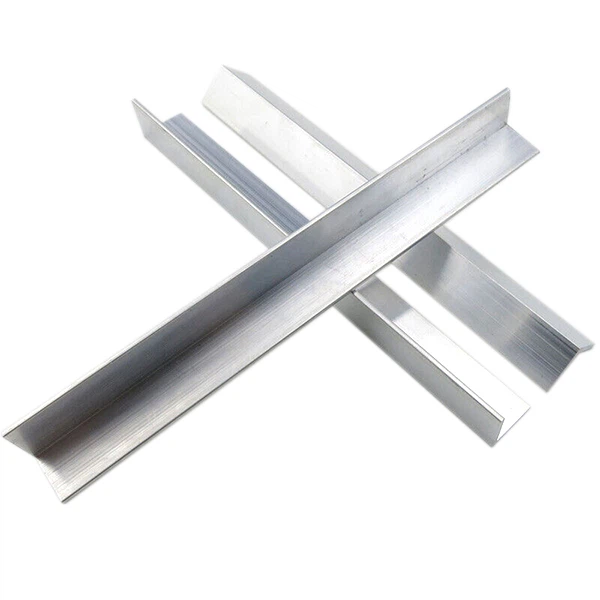
The aerospace industry also benefits from the use of zirconium alloys. Their high strength - to - weight ratio and good corrosion resistance make them suitable for components such as engine parts and structural elements. Zirconium Alloy L - Type Profile can be used in the construction of aircraft frames and other structural components.
Conclusion
In conclusion, zirconium alloys are complex materials composed of zirconium as the base metal and various alloying elements. The addition of tin, iron, chromium, and nickel helps to enhance the strength, corrosion resistance, and other properties of the alloy. Minor elements and impurities also play important roles, and their content needs to be carefully controlled.
Zirconium alloys have a wide range of applications in the nuclear, chemical, and aerospace industries, among others. As a zirconium alloy supplier, I am committed to providing high - quality products that meet the specific requirements of our customers.
If you are interested in purchasing zirconium alloys for your projects, we invite you to contact us for further discussion. Our team of experts can provide you with detailed information about our products and help you select the most suitable zirconium alloy for your application.
References
- "Zirconium and Zirconium Alloys" by ASM International.
- "Nuclear Materials Handbook" edited by C. E. Kennedy.
- Journal articles on zirconium alloys published in Materials Science and Engineering journals.