

How to sharpen the knives in a camping set cutlery?
Hey there, fellow campers! As a supplier of top - notch Camping Set Cutlery Camping Set Cutlery, I know how crucial it is to keep your knives sharp during those outdoor adventures. A dull knife can turn a simple task like cutting up a piece of meat or preparing firewood into a real pain in the neck. So, in this blog, I'm gonna share some tips on how to sharpen the knives in your camping set cutlery.
First things first, let's talk about why it's so important to have sharp knives when you're out camping. A sharp knife is not only more efficient but also safer. When a knife is dull, you have to apply more force to cut through things. This extra force can make the knife slip, leading to potential injuries. On the other hand, a sharp knife cuts cleanly with less effort, reducing the risk of accidents.
Now, let's get into the nitty - gritty of knife sharpening. There are a few different methods you can use, and I'll go through each one.
Using a Sharpening Stone
One of the most traditional and effective ways to sharpen a knife is by using a sharpening stone. You can find these stones in various grits, and for camping knives, a medium - grit stone is usually a good choice.
Here's how you do it:
- Prepare the Stone: If it's a water - stone, soak it in water for about 10 - 15 minutes. If it's an oil - stone, apply a few drops of honing oil to the surface.
- Hold the Knife: Hold the knife at a consistent angle against the stone. A good starting angle for most camping knives is around 20 degrees. You can use a sharpening guide if you're not confident in holding the right angle.
- Start Sharpening: Begin by sliding the knife from the base to the tip across the stone, using a smooth, even motion. Do this on one side of the blade for about 10 - 15 strokes. Then, flip the knife over and repeat on the other side. Make sure to keep the pressure and angle consistent throughout.
- Check the Edge: After a few rounds of sharpening, run your finger gently (be careful!) along the edge of the blade. If you feel a burr, that means you're on the right track. You can then use a finer - grit stone to polish the edge and remove the burr.
Using a Sharpening Rod
A sharpening rod, also known as a honing rod, is another handy tool for keeping your knife sharp. It's smaller and more portable than a sharpening stone, making it great for camping.
Here's the process:
- Hold the Rod: Hold the rod vertically on a stable surface. You can also hold it in your hand, but make sure it's secure.
- Position the Knife: Place the knife at a 20 - degree angle against the rod.
- Sharpen the Knife: Slide the knife down the rod in a circular motion, starting from the base of the blade to the tip. Do this on both sides of the blade for a few strokes. The sharpening rod won't remove as much metal as a sharpening stone, but it's great for maintaining a sharp edge between more thorough sharpenings.
Using a Pull - Through Sharpener
If you're looking for a quick and easy way to sharpen your knife, a pull - through sharpener might be your best bet. These sharpeners usually have two or three slots with different grits.
Here's how to use it:
- Select the Right Slot: Start with the coarser slot if your knife is really dull. If it just needs a touch - up, you can go straight to the finer slot.
- Pull the Knife Through: Hold the sharpener firmly and pull the knife through the slot, from the base to the tip, with a smooth, even motion. Repeat this a few times on each side of the blade.
Tips for Maintaining a Sharp Edge
Once you've sharpened your knife, there are a few things you can do to keep it sharp for longer:
- Use the Right Cutting Surface: Avoid cutting on hard surfaces like glass or stone. Instead, use a wooden or plastic cutting board. This will prevent the blade from getting dull too quickly.
- Clean and Dry the Knife Properly: After each use, wash the knife with warm, soapy water and dry it thoroughly. Moisture can cause the blade to rust, which will dull the edge.
- Store the Knife Properly: You can use a knife sheath or a blade guard to protect the edge when the knife is not in use. This will prevent it from getting nicked or damaged.
Other Useful Camping Accessories
While we're on the topic of camping, I also want to mention a couple of other great accessories that you might find useful. If you're looking for something unique, check out our Titanium Balls. They have various uses in camping, like being used as weights or for some fun DIY projects. And for coffee lovers, our Titanium Coffee Cup is a must - have. It's lightweight, durable, and perfect for sipping your morning joe in the great outdoors.
Time to Stock Up!
If you're in the market for high - quality camping set cutlery or any of the other accessories I mentioned, don't hesitate to reach out. Whether you're an individual camper looking to upgrade your gear or a retailer interested in stocking our products, we're here to help. We offer a wide range of camping cutlery sets, each made with the highest quality materials and designed to withstand the rigors of outdoor use.
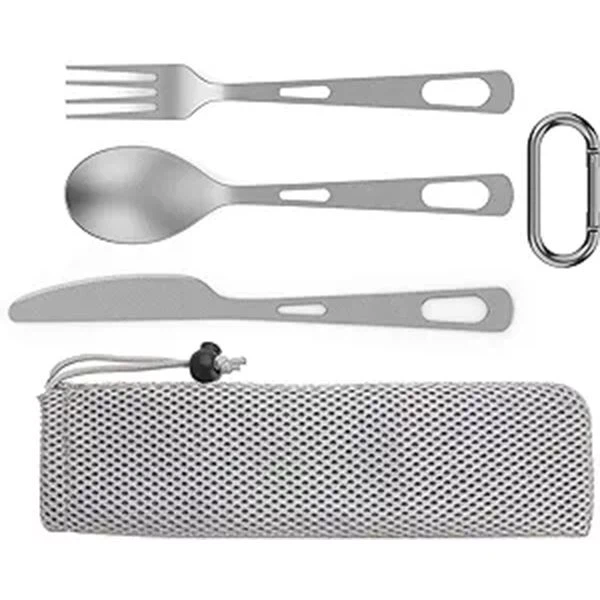

So, if you have any questions or want to start a purchase negotiation, just drop us a line. We're eager to work with you and make your camping experience even better.
References
- "The Complete Guide to Knife Sharpening" by Joe Kertzman
- "Camping Gear 101: Essential Tools and How to Use Them" by Outdoor Enthusiast Press