

How to season a titanium frying pan?
Hey there! As a supplier of titanium frying pans, I get asked a lot about how to season these bad boys. Seasoning a titanium frying pan is a bit different from traditional cast - iron or stainless - steel pans, but it's super important to make your cooking experience top - notch. So, let's dive right in and learn how to do it the right way.

First off, why season a titanium frying pan? Well, titanium is naturally non - reactive, which is great for your health as it won't leach any harmful chemicals into your food. But, when it comes to cooking, a well - seasoned pan develops a natural non - stick surface. This means less oil or butter is needed, your food won't stick as much during cooking, and clean - up becomes a breeze.
Step 1: Cleaning the Pan
Before you start seasoning your titanium frying pan, you need to give it a good cleaning. Use warm water and a mild dish soap. Avoid using abrasive sponges or harsh chemicals because they can scratch the surface of the pan. Just gently scrub the pan with a soft sponge to remove any manufacturing residues or dust. Rinse it thoroughly and dry it completely with a clean towel. You want the pan to be completely dry before moving on to the next step.
Step 2: Choosing the Right Oil
Not all oils are created equal when it comes to seasoning. You need to pick an oil with a high smoke point. Oils like grapeseed oil, flaxseed oil, and canola oil are great choices. These oils can withstand the high heat required for seasoning without breaking down and leaving a sticky residue. Avoid using olive oil or butter, as they have a lower smoke point and will burn easily during the seasoning process.
Step 3: Applying the Oil
Once you've got your oil, pour a small amount into the pan. You don't need a lot; just enough to create a thin, even layer. Use a paper towel or a pastry brush to spread the oil all over the interior of the pan, including the sides. Make sure to get into every nook and cranny. You can also apply a thin layer of oil to the outside of the pan, but focus more on the cooking surface. After applying the oil, use another clean paper towel to wipe off any excess. The goal is to have a very thin and almost invisible layer of oil on the pan.
Step 4: Heating the Pan
Preheat your oven to around 375°F (190°C). Place your oiled - up titanium frying pan upside down on the middle rack of the oven. Placing it upside down prevents any excess oil from pooling and creating uneven seasoning. Let the pan heat in the oven for about an hour. During this time, the oil bonds with the titanium surface, creating a hard, non - stick layer.
After an hour, turn off the oven and let the pan cool down inside. Don't rush to take it out; letting it cool slowly helps the seasoning set properly. Once it's completely cool, take it out of the oven.
Step 5: Repeat the Process
Seasoning is not a one - and - done deal. For the best results, repeat the oil - application and heating process 2 - 3 more times. Each time you do it, the non - stick surface will get better and more durable. It might seem like a hassle, but trust me, it's worth it in the long run.
Maintaining the Seasoning
Once your titanium frying pan is well - seasoned, you need to take good care of it. When cooking, use utensils that won't scratch the surface. Silicone, nylon, or wooden utensils are your best friends here. Avoid using metal spatulas or forks that can damage the seasoning.
After each use, clean the pan while it's still warm. Use warm water and a soft sponge. You can use a little bit of dish soap, but don't overdo it. Rinse it well and dry it immediately with a towel. If you notice any food sticking to the pan, soak it in warm, soapy water for a few minutes before cleaning.
If your pan starts to lose its non - stick properties over time, don't worry. Just repeat the seasoning process again. It's like giving your pan a little tune - up.
Other Titanium Products We Offer
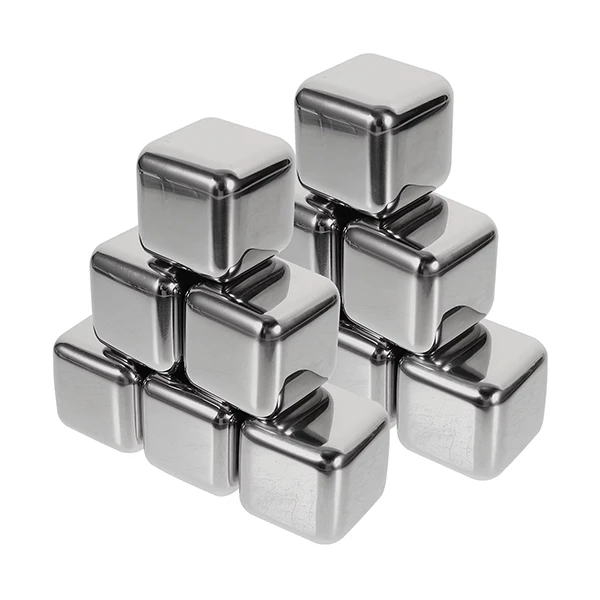
As a titanium frying pan supplier, I also want to tell you about some other great titanium products we have. Check out our Titanium Whiskey Stones. These are perfect for keeping your whiskey chilled without diluting it. The titanium material is durable and won't rust, so they'll last you a long time.
If you're an outdoor enthusiast, our Titanium Camping Pan is a must - have. It's lightweight, strong, and easy to clean. It's great for cooking up a tasty meal while you're out in the wilderness.
And for those of you who like DIY projects or need small titanium parts, we also offer Titanium Spring. These springs are made of high - quality titanium and can be used in a variety of applications.
Why Choose Titanium?
Titanium has many advantages that make it a great material for kitchenware. It's incredibly strong and durable, so your frying pan will last for years. It's also resistant to corrosion and rust, which means it stays in good condition even with regular use. Titanium is lightweight, making it easy to handle while cooking. And as I mentioned earlier, it's non - reactive with food, so you can cook all kinds of dishes without worrying about any negative chemical reactions.
Let's Connect
If you're interested in our titanium frying pans or any of our other titanium products, I'd love to connect with you. Whether you're a home cook looking for a high - quality pan or a retailer interested in stocking our products, we've got you covered. Just reach out to us, and we can start discussing your needs and how we can work together.
References
- "Cookware Materials: A Comprehensive Guide." Kitchenware Today Magazine, 2022.
- "The Art of Seasoning Cookware." Home Cooking Experts Press, 2023.