

How does zirconium alloy perform in a marine environment?
Hey there! As a zirconium alloy supplier, I've been getting a lot of questions lately about how zirconium alloy performs in a marine environment. So, I thought I'd share some insights based on my experience and the latest scientific knowledge.
First off, let's talk about why zirconium alloy is even being considered for marine applications. Well, the marine environment is a tough one. It's full of saltwater, which is highly corrosive, and there are also issues like biofouling, where organisms attach themselves to surfaces. Plus, there are mechanical stresses from waves, currents, and the movement of vessels. So, any material used in this environment needs to be able to withstand these challenges.
One of the key advantages of zirconium alloy in a marine environment is its excellent corrosion resistance. Zirconium forms a very stable oxide layer on its surface when exposed to oxygen. This oxide layer acts as a protective barrier, preventing the underlying metal from reacting with the corrosive elements in saltwater. Unlike some other metals, zirconium alloy doesn't easily corrode or rust, even when it's constantly in contact with seawater.
For example, in a study conducted by some researchers, they compared the corrosion rates of different metals in a simulated marine environment. Zirconium alloy showed significantly lower corrosion rates compared to traditional metals like steel and aluminum. This means that structures made from zirconium alloy can last much longer in the marine environment without the need for frequent maintenance or replacement.
Another important aspect is the mechanical properties of zirconium alloy. It has a high strength - to - weight ratio, which is great for marine applications. This means that you can build lighter structures without sacrificing strength. For instance, if you're building a part for a ship, using zirconium alloy can reduce the overall weight of the vessel, which in turn can improve fuel efficiency. And with the rising costs of fuel, this is a big plus.
Now, let's talk about some of our products. We offer a variety of zirconium alloy products that are suitable for marine applications. One of them is Zirconium Foil. This thin foil can be used in various ways, like for lining small components or for creating flexible seals. It retains the corrosion - resistant properties of zirconium alloy and can be easily shaped to fit different needs.
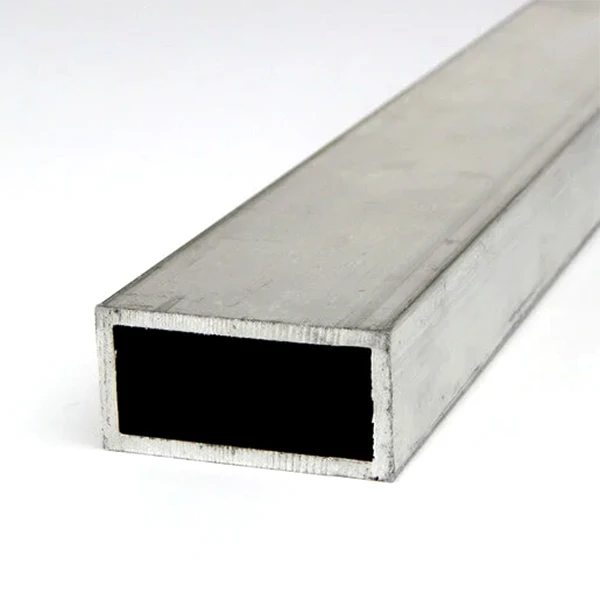
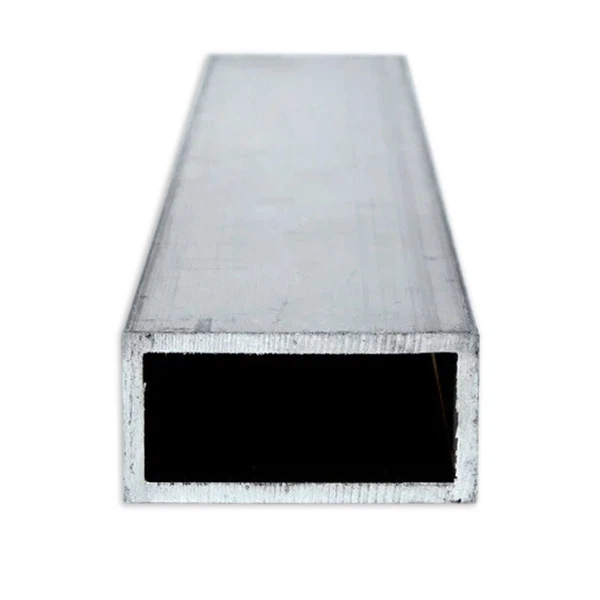
We also have Zirconium Alloy Rectangular Section Bar. These bars are great for building structural components. They have a regular shape, which makes them easy to work with during the construction process. Whether you're building a framework for a marine platform or a support structure for equipment on a ship, these bars can be a reliable choice.
And then there's the Zirconium Bar Hexagon. The hexagonal shape provides some unique advantages. It can be more easily gripped during machining operations, and it can also distribute stress more evenly in certain applications. This makes it a great option for parts that need to withstand high mechanical loads in the marine environment.
But it's not all sunshine and rainbows. There are some challenges when using zirconium alloy in the marine environment. One of the main challenges is the cost. Zirconium is a relatively rare metal, and the process of producing zirconium alloy can be expensive. However, when you consider the long - term benefits, like reduced maintenance costs and longer service life, the initial investment can be worth it.
Another challenge is the machining of zirconium alloy. It's a hard material, and machining it requires specialized tools and techniques. But with the right expertise, we've been able to produce high - quality zirconium alloy products that meet the strict requirements of the marine industry.
In terms of biofouling, while zirconium alloy doesn't completely prevent organisms from attaching to its surface, it does have some natural resistance. The smooth surface of zirconium alloy makes it a bit more difficult for organisms to adhere compared to some rougher materials. And if you combine it with some anti - fouling coatings, you can further reduce the problem of biofouling.
Overall, zirconium alloy has a lot of potential in the marine environment. Its corrosion resistance, mechanical properties, and other characteristics make it a viable option for a wide range of marine applications. Whether you're in the business of building ships, offshore platforms, or other marine structures, zirconium alloy can offer some real benefits.
If you're interested in learning more about our zirconium alloy products or if you have a specific marine application in mind, we'd love to have a chat with you. We can discuss your requirements in detail and help you choose the right product for your needs. Just reach out to us, and we'll be happy to assist you in your procurement process.
References:
- Research on corrosion rates of metals in simulated marine environment by [Research Team Name]
- Studies on mechanical properties of zirconium alloy for marine applications by [Researcher's Name]