

How does a titanium ruler respond to humidity?
Humidity is a ubiquitous environmental factor that can significantly impact the performance and durability of various materials. As a supplier of high - quality titanium rulers, I am often asked about how titanium rulers respond to humidity. In this blog, I will delve into the scientific aspects of this topic, providing a comprehensive understanding for both professionals and enthusiasts.
The Basics of Titanium
Titanium is a remarkable metal known for its excellent properties. It has high strength - to - weight ratio, good corrosion resistance, and biocompatibility. These characteristics make it a popular choice in a wide range of applications, from aerospace engineering to medical devices and consumer products like our titanium rulers.
The corrosion resistance of titanium is mainly due to the formation of a thin, adherent, and self - healing oxide layer on its surface. This oxide layer, typically titanium dioxide (TiO₂), acts as a barrier between the metal and the surrounding environment, preventing further oxidation and corrosion.

How Humidity Affects Titanium Rulers
Corrosion Resistance in Humid Conditions
One of the most significant advantages of titanium rulers in humid environments is their outstanding corrosion resistance. Even in high - humidity conditions, the oxide layer on the surface of the titanium ruler remains stable. Unlike metals such as iron or steel, which can rust quickly in the presence of moisture and oxygen, titanium does not corrode easily.
When exposed to humidity, the water molecules in the air can interact with the titanium dioxide layer. However, this interaction does not lead to the breakdown of the layer. Instead, the layer can repair itself if it is damaged. For example, if a small scratch occurs on the surface of the titanium ruler, the oxygen in the air and water vapor will react with the exposed titanium to reform the protective oxide layer.
This self - healing property is crucial for maintaining the integrity of the titanium ruler. In a humid workshop or a storage environment with high relative humidity, the ruler will not develop rust spots or other forms of corrosion, ensuring its long - term usability and accuracy.
Dimensional Stability
Another important aspect is the dimensional stability of titanium rulers in humid conditions. Humidity can cause some materials to expand or contract, which can affect the accuracy of measuring tools. For instance, wooden rulers may absorb moisture and warp, while plastic rulers can deform under high humidity.
Titanium has a relatively low coefficient of thermal expansion, and its response to humidity - induced dimensional changes is minimal. The change in the length of a titanium ruler due to humidity is so small that it has a negligible impact on its measurement accuracy. This makes titanium rulers ideal for precise measurement tasks, even in environments with fluctuating humidity levels.
Surface Properties
Humidity can also affect the surface properties of a titanium ruler. In high - humidity environments, a thin layer of water may condense on the surface of the ruler. However, titanium has a hydrophobic nature to some extent. The water droplets on the surface of the titanium ruler tend to bead up rather than spread out evenly.
This hydrophobic behavior makes it easier to clean the ruler. When the humidity decreases, the water droplets will evaporate quickly, leaving the surface of the ruler dry. Moreover, the beaded water droplets do not leave behind water stains or other residues, maintaining the ruler's appearance and readability.
Comparing with Other Materials
To better understand the advantages of titanium rulers in humid conditions, let's compare them with rulers made of other common materials.
Wooden Rulers
Wood is a natural material that is sensitive to humidity. In high - humidity environments, wooden rulers can absorb moisture, causing them to swell and warp. This warping can lead to inaccurate measurements. Additionally, the absorbed moisture can promote the growth of mold and mildew, which not only affects the appearance of the ruler but also poses a health risk.
Plastic Rulers
Plastic rulers can be affected by humidity in different ways. Some plastics are hygroscopic, meaning they can absorb water from the air. This absorption can cause the plastic to become soft and deform, reducing the ruler's accuracy. Moreover, in high - humidity and high - temperature conditions, some plastics may release harmful chemicals, which is a concern for both the user and the environment.
Metal Rulers (Non - Titanium)
Most metal rulers, such as those made of steel or aluminum, are prone to corrosion in humid environments. Steel rulers will rust, which can not only damage the ruler but also contaminate the objects being measured. Aluminum rulers may develop a white powdery corrosion product, affecting their appearance and usability.
Applications in Humid Environments
The excellent performance of titanium rulers in humid conditions makes them suitable for a variety of applications.
Marine and Aquatic Environments
In marine and aquatic environments, the humidity is usually high, and the presence of saltwater further increases the corrosive potential. Titanium rulers are ideal for use on boats, in aquariums, or in coastal laboratories. They can withstand the harsh conditions without corroding, ensuring accurate measurements in these challenging environments.
Greenhouses and Agricultural Settings
Greenhouses are designed to maintain high humidity levels to promote plant growth. In such settings, titanium rulers can be used to measure the height of plants, the spacing between rows, or the dimensions of growing containers. Their resistance to humidity and dimensional stability make them a reliable tool for agricultural professionals.
Bathroom and Kitchen Environments
Bathrooms and kitchens are areas with high humidity due to the use of water. Titanium rulers can be used for DIY projects in these areas, such as measuring for tile installation or cabinet fitting. Their ability to resist corrosion and maintain accuracy in a humid environment makes them a practical choice for home improvement tasks.
Related Titanium Products
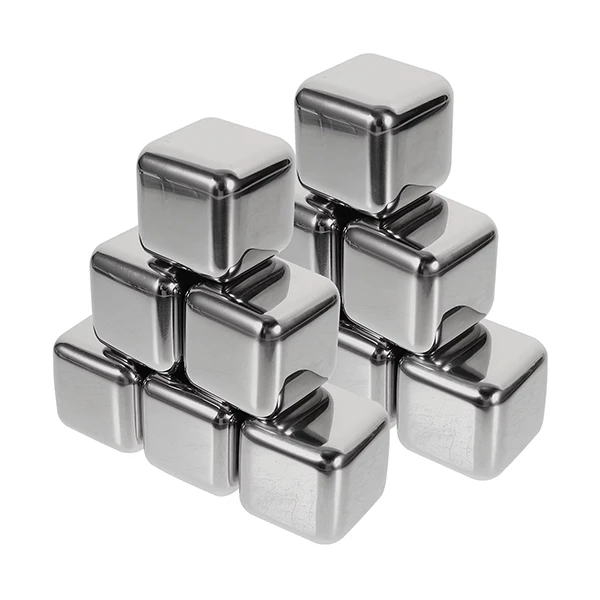
If you are interested in other titanium products, we also offer a range of high - quality titanium accessories. For example, you can check out our Titanium Spring, which is known for its excellent elasticity and corrosion resistance. Our Titanium Whiskey Stones are a great addition to your barware collection, keeping your drinks cool without diluting them. And if you are looking for a fun and unique item, our Titanium Alloy Dice Toy is a perfect choice.
Conclusion
In conclusion, titanium rulers respond very well to humidity. Their corrosion resistance, dimensional stability, and favorable surface properties make them superior to rulers made of other materials in humid environments. Whether you are a professional in a high - humidity workplace or a hobbyist working on DIY projects at home, a titanium ruler is a reliable and long - lasting tool.
If you are interested in purchasing our high - quality titanium rulers or other titanium products, please feel free to contact us for more information and to start a procurement negotiation. We are committed to providing you with the best products and services.
References
- ASM Handbook Volume 2: Properties and Selection: Nonferrous Alloys and Special - Purpose Materials. ASM International.
- "Corrosion Resistance of Titanium and Titanium Alloys" by John C. Scully.