

Do titanium frying pans have a long pre - heat time?
As a seasoned supplier of titanium frying pans, I often encounter a recurring question from both professional chefs and home cooking enthusiasts alike: Do titanium frying pans have a long pre - heat time? In this blog post, I'll delve into the science behind titanium's heat properties, compare it with other common cookware materials, and provide practical insights for making the most of your titanium frying pan.
Understanding Titanium's Heat Conductivity
Titanium is a remarkable metal known for its exceptional strength - to - weight ratio, corrosion resistance, and biocompatibility. When it comes to cooking, one of the key factors to consider is its heat conductivity. Heat conductivity is a measure of how quickly a material can transfer heat. Materials with high heat conductivity heat up and cool down rapidly, while those with low heat conductivity take longer to reach the desired temperature and retain heat for a longer time.
Titanium has a relatively low thermal conductivity compared to some other metals commonly used in cookware, such as copper and aluminum. Copper, for example, has a thermal conductivity of around 401 W/(m·K), while aluminum has a value of about 237 W/(m·K). In contrast, titanium's thermal conductivity is approximately 21.9 W/(m·K). This lower value suggests that titanium frying pans may indeed have a longer pre - heat time than their copper or aluminum counterparts.
However, it's important to note that heat conductivity is not the only factor influencing pre - heat time. The thickness of the pan, the design of the heating source, and the specific cooking application also play significant roles.
Factors Affecting Pre - Heat Time
Pan Thickness
The thickness of a titanium frying pan can greatly impact its pre - heat time. Thicker pans generally take longer to heat up because there is more material that needs to absorb the heat. On the other hand, thicker pans also tend to distribute heat more evenly once they reach the desired temperature, reducing the risk of hot spots.
As a supplier, I offer a range of titanium frying pans with different thicknesses to meet the diverse needs of my customers. For those who prioritize a shorter pre - heat time, a thinner pan may be a better choice. But for those who value even heat distribution and long - term heat retention, a thicker pan could be more suitable.
Heating Source
The type of heating source you use can also affect the pre - heat time of your titanium frying pan. Induction cooktops, for example, heat cookware directly through electromagnetic fields, which can result in a relatively quick pre - heat time even for materials with lower thermal conductivity like titanium. Gas stoves, on the other hand, rely on the transfer of heat from a flame, which may take a bit longer to warm up the pan.
Electric stoves fall somewhere in between. They typically heat up more slowly than induction cooktops but faster than gas stoves in some cases. When choosing a heating source for your titanium frying pan, it's important to consider your cooking habits and the efficiency you desire.
Cooking Application
The specific cooking task you're performing can also influence the pre - heat time. For example, if you're making a delicate omelette, you may need to pre - heat the pan to a relatively low temperature, which will take less time compared to searing a steak at a high temperature.
Comparing Titanium with Other Cookware Materials
Copper
As mentioned earlier, copper has excellent heat conductivity, which means copper frying pans can heat up very quickly. This makes them ideal for tasks that require rapid temperature changes, such as stir - frying. However, copper is also relatively soft and can react with certain foods, so it often needs to be lined with a non - reactive material like stainless steel or tin.
Aluminum
Aluminum is another popular choice for cookware due to its good heat conductivity and affordability. Aluminum frying pans generally heat up faster than titanium pans but may not be as durable. Aluminum can also react with acidic foods, so many aluminum pans are coated or anodized to prevent this.
Stainless Steel
Stainless steel is known for its durability and resistance to corrosion. However, it has relatively poor heat conductivity, which means stainless - steel frying pans can take a long time to pre - heat. To improve heat distribution, many stainless - steel pans are made with an aluminum or copper core.
Advantages of Titanium Frying Pans Despite Longer Pre - Heat Time
While titanium frying pans may have a longer pre - heat time, they offer several distinct advantages that make them a valuable addition to any kitchen.

Durability
Titanium is an extremely strong and durable metal. Titanium frying pans can withstand high temperatures, scratches, and dents better than many other types of cookware. This means they have a longer lifespan, which can save you money in the long run.
Lightweight
Compared to other metals, titanium is relatively lightweight. This makes it easier to handle, especially when you're cooking for long periods or need to move the pan around frequently. Whether you're a professional chef in a busy kitchen or a home cook, the lightweight nature of titanium frying pans can be a significant advantage.
Health - Friendly
Titanium is biocompatible, which means it does not react with food or release harmful chemicals. This makes titanium frying pans a safe choice for cooking, especially for those who are concerned about the potential health risks associated with other cookware materials.
Practical Tips for Reducing Pre - Heat Time
If you're concerned about the pre - heat time of your titanium frying pan, here are some practical tips to help you reduce it:
- Choose the Right Thickness: As mentioned earlier, a thinner titanium frying pan will generally heat up faster. Consider your cooking needs and choose a pan with an appropriate thickness.
- Use an Induction Cooktop: Induction cooktops can significantly reduce the pre - heat time of your titanium frying pan. If possible, invest in an induction cooktop for more efficient cooking.
- Pre - heat the Pan Empty: Pre - heating the pan without any oil or food in it can help it reach the desired temperature more quickly. Once the pan is hot, you can add the oil and start cooking.
Related Titanium Products
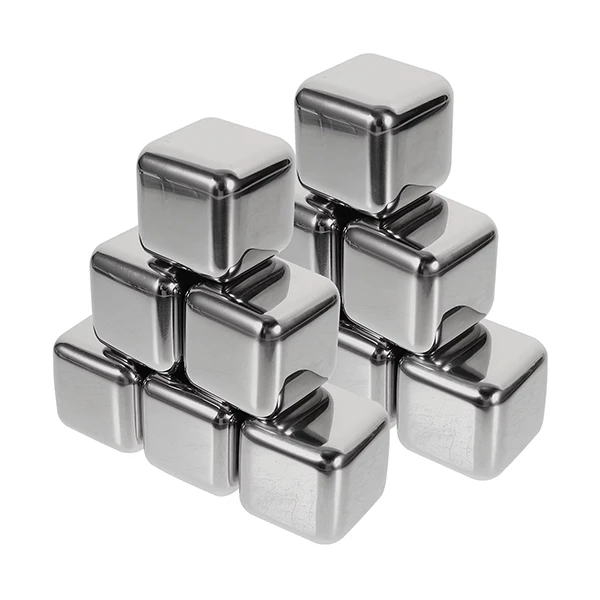
In addition to titanium frying pans, I also offer a range of other titanium products that are perfect for camping and home use. Check out our Titanium Camping Spork, which is lightweight and durable, making it ideal for outdoor adventures. Our Titanium Whiskey Stones are a great way to keep your drink cold without diluting it. And for those who love camping, our Titanium Camping Pan is a must - have item.
Contact for Procurement
If you're interested in purchasing titanium frying pans or any of our other titanium products, I'd be more than happy to discuss your needs. Whether you're a restaurant owner looking to upgrade your kitchen equipment or a home cook searching for high - quality cookware, I can provide you with the best solutions. Feel free to reach out to start a procurement discussion.
References
- Callister, W. D., & Rethwisch, D. G. (2012). Materials Science and Engineering: An Introduction. Wiley.
- Incropera, F. P., DeWitt, D. P., Bergman, T. L., & Lavine, A. S. (2007). Fundamentals of Heat and Mass Transfer. Wiley.