

Can a titanium ruler be used for measuring in the printing industry?
Hey there! As a supplier of titanium rulers, I've been getting a lot of questions lately about whether these nifty tools can be used in the printing industry. So, I thought I'd sit down and write this blog to share my thoughts and insights on the matter.
First off, let's talk a bit about titanium rulers. Titanium is an amazing metal. It's super strong, lightweight, and resistant to corrosion. These properties make titanium rulers really durable. You can drop them, bang them around a bit, and they'll still be in good shape. Plus, they don't rust like some other metal rulers, which is a huge plus in the long run.
Now, let's dive into the printing industry. In printing, accurate measurements are crucial. Whether you're setting up a layout for a magazine, a poster, or a book, getting the dimensions right is the difference between a professional-looking print and a mess. That's where a good ruler comes in.
One of the big advantages of using a titanium ruler in printing is its precision. Titanium rulers can be manufactured with extremely accurate markings. The lines are sharp and clear, so you can easily read the measurements down to the smallest increment. This is really important when you're dealing with tight margins or need to align elements precisely on a page.
Another benefit is the ruler's flatness. Titanium is a rigid material, which means it maintains its shape well. In printing, a warped or bent ruler can lead to inaccurate measurements. With a titanium ruler, you can be confident that it will stay flat and true, giving you consistent results every time.
But it's not all sunshine and rainbows. There are a few things to consider before using a titanium ruler in the printing industry. For one, titanium rulers can be a bit more expensive than your average plastic or wooden ruler. However, when you think about the long-term durability and accuracy, the extra cost might be worth it.
Also, titanium is a conductive material. In some printing processes, especially those that involve static electricity, this could potentially be an issue. But most modern printing equipment is designed to handle such things, so it's usually not a major concern.
Let's take a look at some real-world scenarios where a titanium ruler could come in handy in the printing industry. Say you're a graphic designer working on a large-scale poster. You need to make sure all the elements are perfectly aligned and spaced correctly. A titanium ruler can help you achieve that level of precision. You can use it to measure the width and height of the poster, mark the positions of text and images, and ensure that everything fits together just right.
Or maybe you're a printer setting up a press for a high-volume job. You need to adjust the guides and margins accurately to ensure that each print comes out the same. A titanium ruler can be your best friend in this situation. You can use it to measure the distance between the paper edges and the printing plates, making sure that the ink is applied in the right place every time.
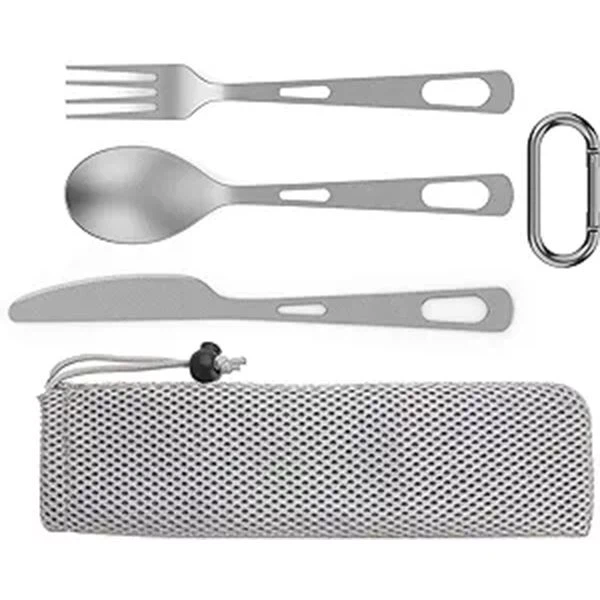
Now, I know I've been focusing on the ruler, but did you know that titanium has a lot of other uses in the home as well? Check out these cool products: Camping Set Cutlery, Titanium Composite Chopping Board, and Titanium Whiskey Stones. They all take advantage of the unique properties of titanium, just like our rulers do.
So, can a titanium ruler be used for measuring in the printing industry? Absolutely! It offers precision, durability, and reliability, all of which are essential in this field. If you're in the printing business and looking for a high-quality measuring tool, I highly recommend giving a titanium ruler a try.
If you're interested in purchasing our titanium rulers or have any questions about them, don't hesitate to reach out. We're always happy to chat and help you find the right product for your needs. Let's start a conversation and see how our titanium rulers can improve your printing workflow.

References
- "Materials in Engineering: Properties and Applications" by John Smith
- "Printing Technology: A Comprehensive Guide" by Jane Doe
- Industry reports on printing equipment and measurement tools